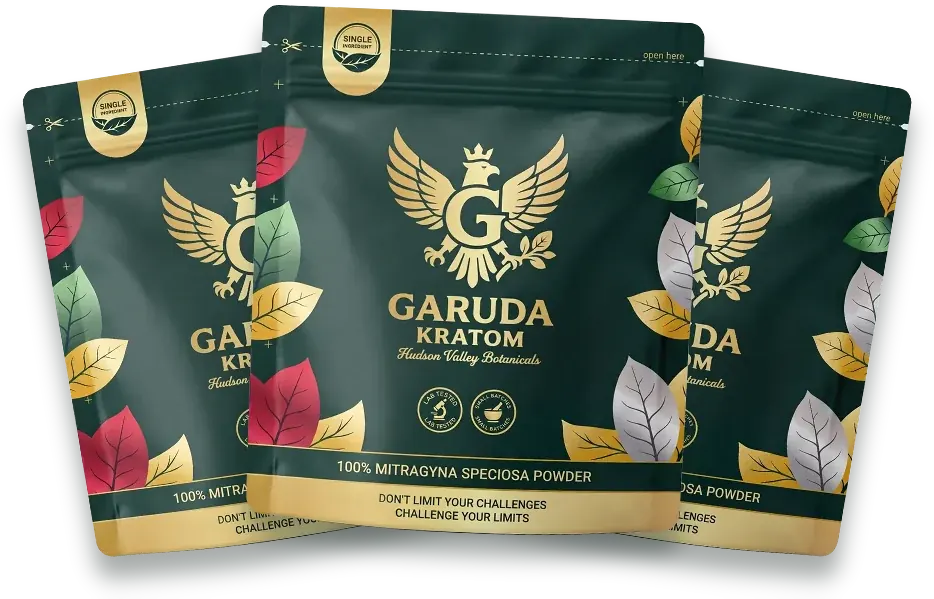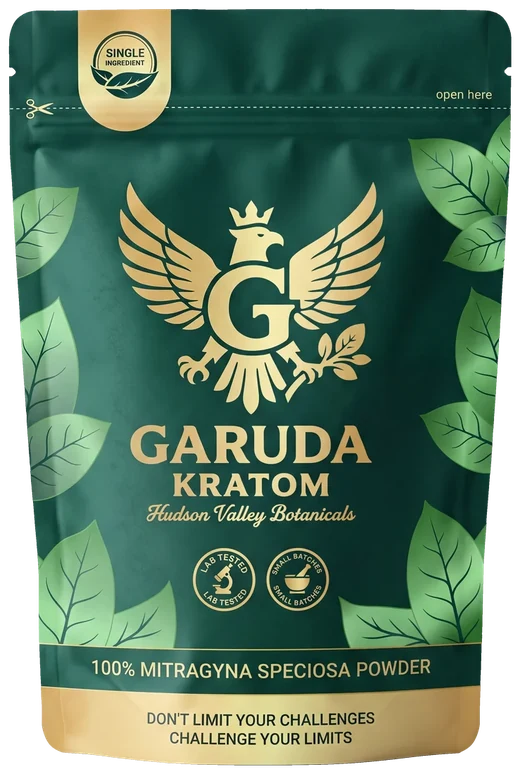
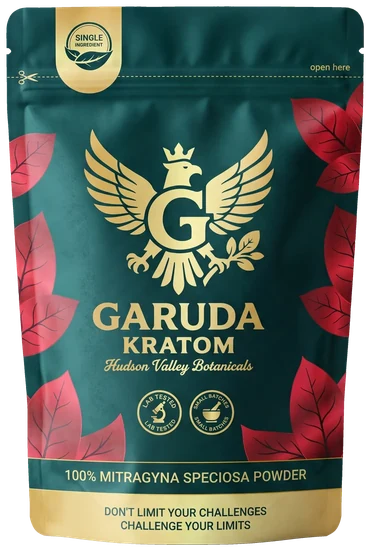
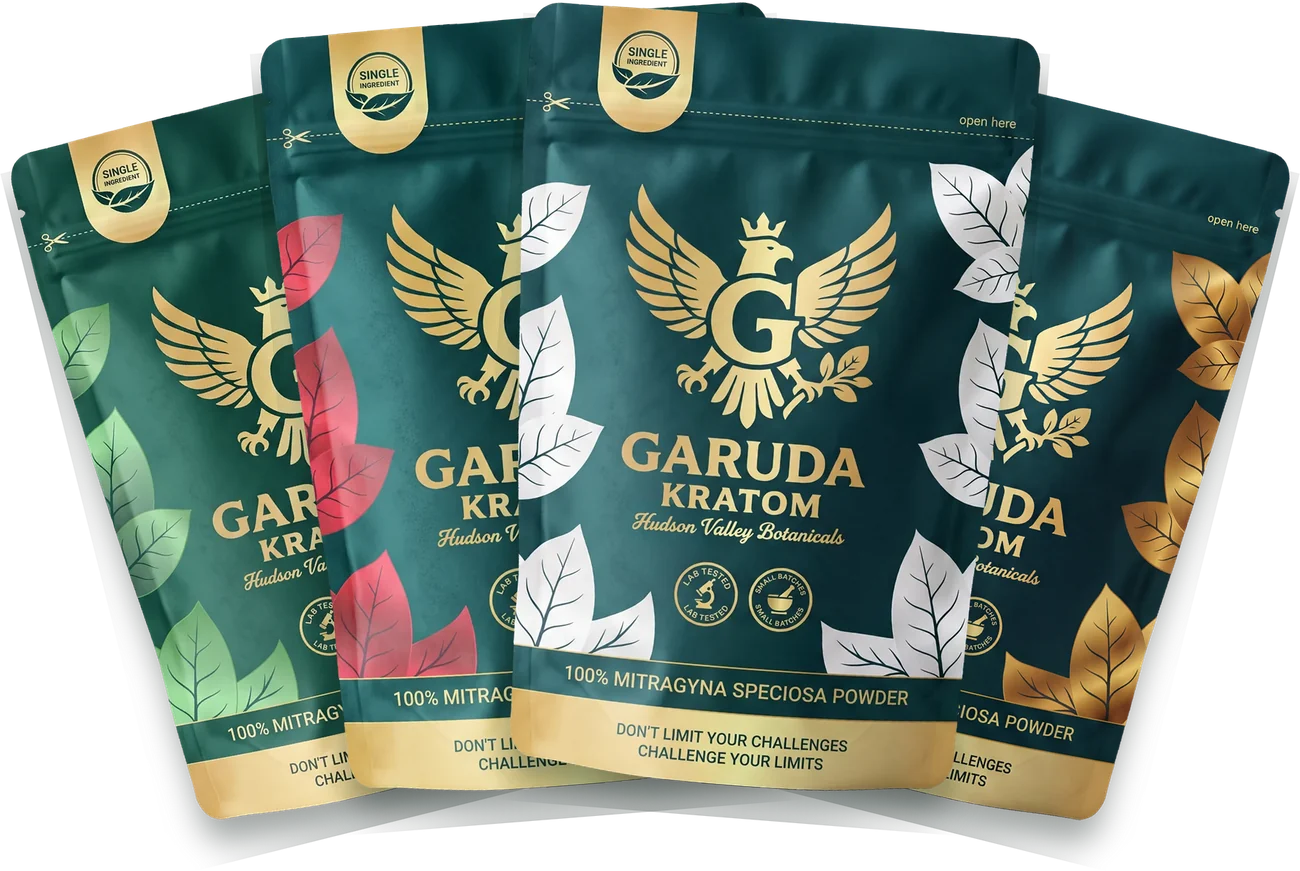

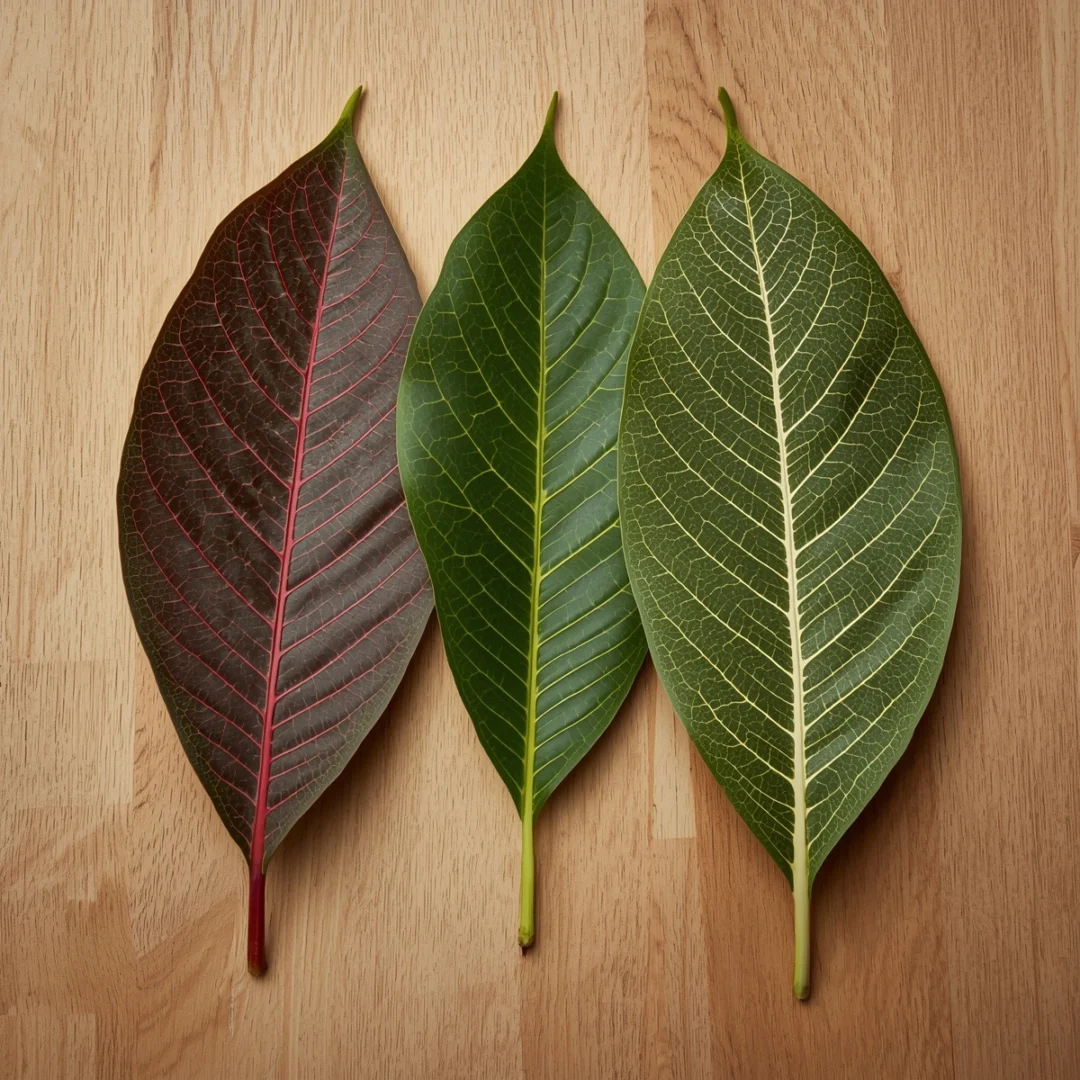
Walk through any kratom catalog and you meet a wall of names: Red Bali, Green Malay, White Maeng Da, Yellow Vietnam. It looks like dozens of different products, but the names come down to two simple things, the color of the leaf vein and where the leaf was grown. Here is what each label is actually telling you.
This is background on how the industry sorts and names kratom. It is not a description of how any product will affect you, and kratom is not intended to diagnose, treat, cure, or prevent any condition.
Vein color is about the leaf and how it is dried
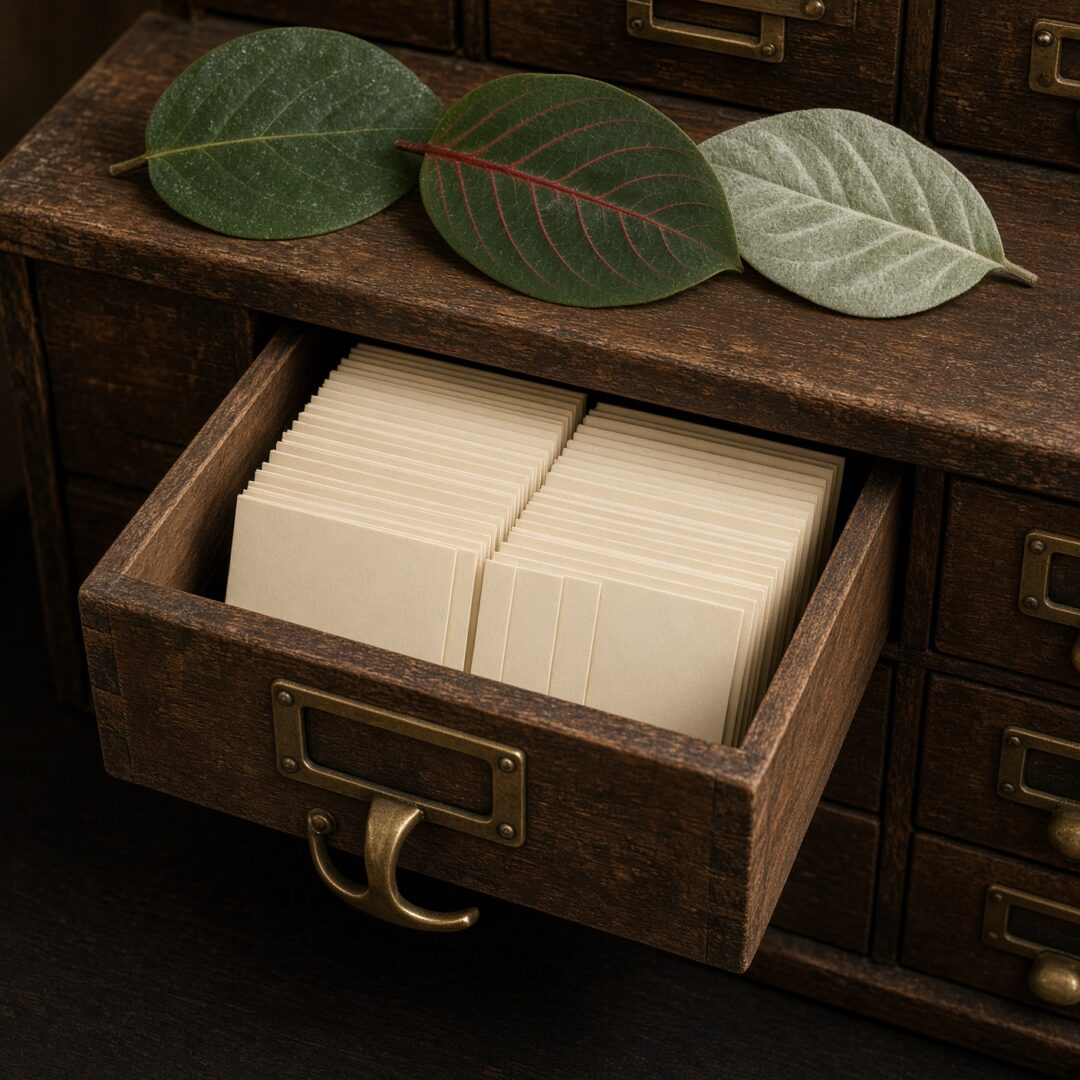
The red, green, or white in a strain name refers to the color of the veins running through the leaf. As a kratom leaf matures on the tree, its veins shift from white when young, to green at mid-maturity, to red when fully mature. After harvest, how the leaf is dried, indoors, in sunlight, or with some fermentation, can shift the final color classification again. Each category carries a different balance of the plant’s naturally occurring alkaloids, and that difference in chemistry is what separates them on paper.
Yellow and gold are not vein colors found on the tree. They are made in processing, usually by giving white, green, or red leaf a longer or modified drying and curing step. Naming for these varies more from one seller to the next, so two “gold” products are not guaranteed to be alike.
Region names tell you where it grew
The second half of most strain names points to geography, and geography shapes the leaf through soil, climate, altitude, and local drying tradition.
- Bali reads like an island but is mostly grown in Borneo and processed in the Balinese style. Bali leaf is a perennial best-seller because it is well-rounded and widely available.
- Borneo, with its old rainforest and volcanic soil, produces some of the most consistent leaf on the market.
- Thai names usually mean Thai genetic stock grown on Indonesian farms today. Thailand banned kratom in 1943 and lifted the ban in 2021.
- Malay leaf comes from the Malaysian peninsula, and Green Malay is one of the most recognized individual strains worldwide.
- Sumatra is the volcanic-soil Indonesian island of the same name, known for a distinctive mineral-rich profile.
- Indo is a catch-all for Indonesia, the world’s largest producer, and covers enormous variety by island and region.
- Vietnam is a newer origin, grown along river-fed forests, with a chemistry many describe as noticeably its own.
Maeng Da is the odd one out, it is not a place at all. It is a grade label, roughly premium, used for leaf selected for higher alkaloid content. Different sellers apply it differently, so it says more about selection than origin.
So which one do you buy?
Most people find their preference by trying a few. Because alkaloid balance varies by vein color, region, and even by batch, two bags with the same name from different harvests will not be identical. That is exactly why the paperwork matters more than the poetry on the label. Every batch we carry is third-party lab tested, and the results are posted so you can see the alkaloid profile of the specific lot you are buying rather than trusting a strain name to be consistent.
Browse the full range of vein colors and regions on our product pages whenever you want to compare what is in stock.