

Understanding Kratom: A Comprehensive Guide to This Traditional Botanical

Understanding Kratom: A Comprehensive Guide to This Traditional Botanical

November 7, 2025 4 min read

Kratom (Mitragyna speciosa) is a tropical evergreen tree native to the lush rainforests of Southeast Asia, where it has been revered and used traditionally for centuries. This remarkable botanical belongs to the Rubiaceae family—the same family as coffee—and thrives in the humid, tropical climates of Thailand, Malaysia, Indonesia, Myanmar, and Papua New Guinea.

The Botanical Profile of Kratom

The kratom tree is an impressive specimen of tropical flora, capable of growing to heights of 80 feet or more in its native habitat. The trunk can reach diameters of 3 feet, and the tree produces glossy, dark green ovate-acuminate leaves that are the source of kratom’s beneficial compounds.

These leaves contain over 40 different alkaloids, with mitragynine and 7-hydroxymitragynine being the most abundant and well-studied. The unique combination of these naturally occurring compounds is responsible for kratom’s distinctive properties.

AlkaloidConcentrationSignificance
Mitragynine~66% of alkaloid contentPrimary active compound
7-Hydroxymitragynine~2% of alkaloid contentPotent secondary alkaloid
Paynantheine~9% of alkaloid contentSecond most abundant
Speciogynine~7% of alkaloid contentContributing alkaloid

Traditional Uses and Cultural Significance

For centuries, kratom has been woven into the fabric of daily life throughout Southeast Asia. The traditional uses of this botanical reflect its deep cultural roots:

  • Agricultural Workers: Farmers and laborers traditionally chewed fresh kratom leaves during long work days in the fields, particularly during the demanding rice harvest season
  • Social Gatherings: Kratom tea was commonly served at community events and social functions, similar to how coffee or tea is shared in Western cultures
  • Traditional Wellness: Local practitioners incorporated kratom into traditional wellness practices passed down through generations
  • Ceremonial Use: In some regions, kratom played a role in religious and cultural ceremonies

“Kratom has been part of Southeast Asian culture for generations. In villages throughout Thailand and Malaysia, offering kratom tea to guests was a sign of hospitality and respect.”

Modern Scientific Interest

The Western world’s discovery of kratom has sparked significant scientific interest. Researchers at universities and institutions worldwide are now investigating:

  • The complete alkaloid profile and chemical composition of kratom leaves
  • How different growing conditions affect alkaloid concentrations
  • Traditional use patterns and their cultural context
  • Quality control and standardization methods for the industry
  • The mechanisms by which kratom alkaloids interact with the body

Understanding Kratom Varieties

Kratom is typically categorized in two ways: by vein color and by region of origin. This classification system helps users understand what to expect from different products.

Vein Colors

  • Red Vein: Harvested from mature leaves; known for calming properties
  • Green Vein: Mid-maturity leaves; balanced, versatile characteristics
  • White Vein: Younger leaves; associated with energizing properties

Regional Origins

Popular regional varieties include Bali, Maeng Da, Borneo, Thai, Malay, and Sumatra—each with subtle differences based on local growing conditions, soil composition, and traditional processing methods.

Legal Landscape

The legal status of kratom varies significantly around the world. In the United States, kratom remains legal at the federal level, though several states and municipalities have enacted their own regulations or restrictions.

The Kratom Consumer Protection Act (KCPA) has been adopted in multiple states, establishing:

  • Age restrictions (typically 21+)
  • Mandatory product labeling requirements
  • Quality and testing standards
  • Penalties for selling adulterated products

Always research your local laws before purchasing kratom.

Choosing Quality Kratom

When selecting a kratom vendor, prioritize companies that demonstrate a commitment to quality and transparency:

  • Third-party lab testing for every batch sold
  • Certificates of Analysis (COAs) readily available to customers
  • GMP-certified facilities for processing and packaging
  • Transparent sourcing from trusted Southeast Asian farmers
  • Responsive customer service and clear return policies

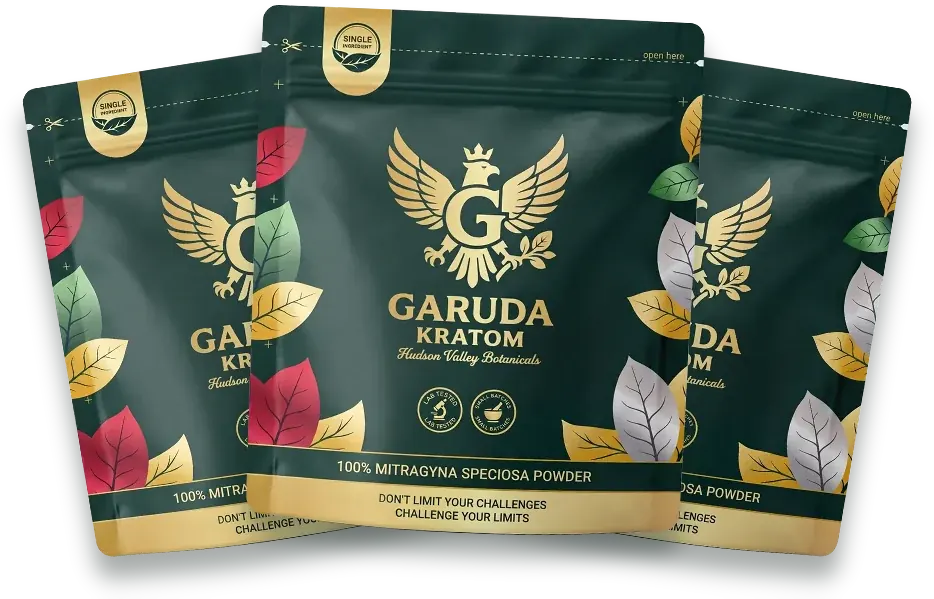
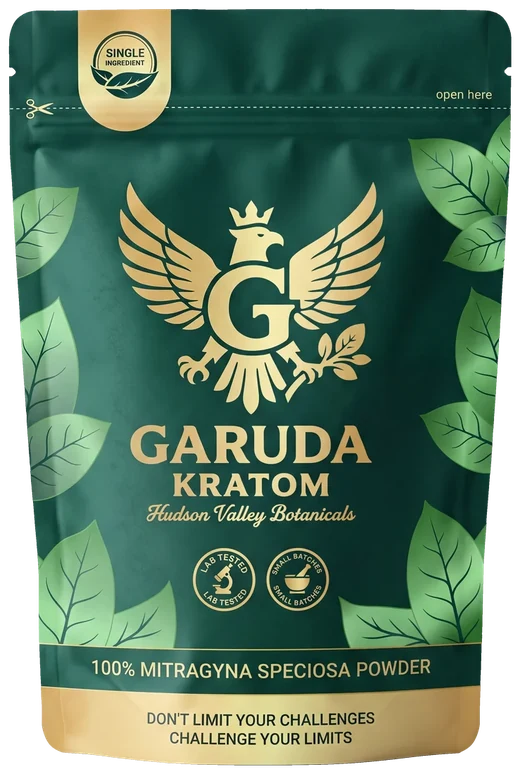
At Hudson Valley Botanicals, we’re committed to providing the highest quality, lab-tested kratom products. View our lab testing results and discover why thousands of customers trust us for their kratom needs.

Share:

Welcome!

You must be 21+ to purchase Kratom products
You must be 18+ to purchase Botanicals products

I am I am not

Remember Me
Disclaimer: Kratom: FDA DISCLAIMER: The statements made regarding these products have not been evaluated by the Food and Drug Administration. The efficacy of these products has not been confirmed by FDA-approved research. These products are not intended to diagnose, treat, cure, or prevent any disease. KRATOM DISCLAIMER: “This product is not available for shipment to the following states: Alabama, Arkansas, Indiana, Wisconsin, Connecticut; or the following counties: Sarasota County (Florida), San Diego (California), Oceanside (California), Alton (Illinois), Jerseyville (Illinois), Edwardsville County (Illinois), Columbus (Mississippi), Union County (Mississippi), Ascension (Louisiana), Franklin (Louisiana), Rapides (Louisiana)”. Our products are not for use by or sale to persons under the age of 21. WAAVE ALSO RESPECTS COMPLIANCE IN THE FOLLOWING STATES AND COUNTIES: Vermont, Louisiana. Denver CO, Washington D.C., Newport Beach CA, Malheur County, Parker & Monument (CO), Grant Parish (LA), Franklin (NH) and several other counties in Mississippi. We do not ship internationally. ID verification is required for shipments to the following states: Florida, Virginia, West Virginia, Colorado, Oregon, South Dakota, Nebraska, Kentucky, Maryland, Tennessee, Mississippi, Georgia, Rhode Island. Enhanced Kratom cannot be shipped to Tennessee and Georgia. Kratom is NOT used to treat, cure, or mitigate any disease, illness, ailment, and/or condition. Please consult your doctor before consuming any new products. Kratom has not been tested on pregnant women. Please, see the FDA alert 54-15. We make no representations as to intended use or suitability for use. This product contains chemicals known to the state of California to cause cancer, birth defects, or reproductive harm. Specifically nickel, arsenic, and lead. For more information please visit p65warnings.ca.gov. We do not ship to military bases
- Botanicals: We respect federal state and city laws, our shipping restrictions are detailed below on the footer and they are automatically updated by WAAVE compliance FDA Disclaimer: The statements made regarding our products have not been evaluated by the Food and Drug Administration. The efficacy of these products has not been confirmed by FDA-approved research. We assume no responsibility for the improper use of our products. These products are not intended to diagnose, treat, cure or prevent any disease. All information presented here is not meant as a substitute for or alternative to information from health care practitioners. Please consult your health care professional about potential interactions or other possible complications before using any product. The Federal Food, Drug, and Cosmetic Act requires this notice. Merchants may not ship to military bases.
 

WAAVE Compliance