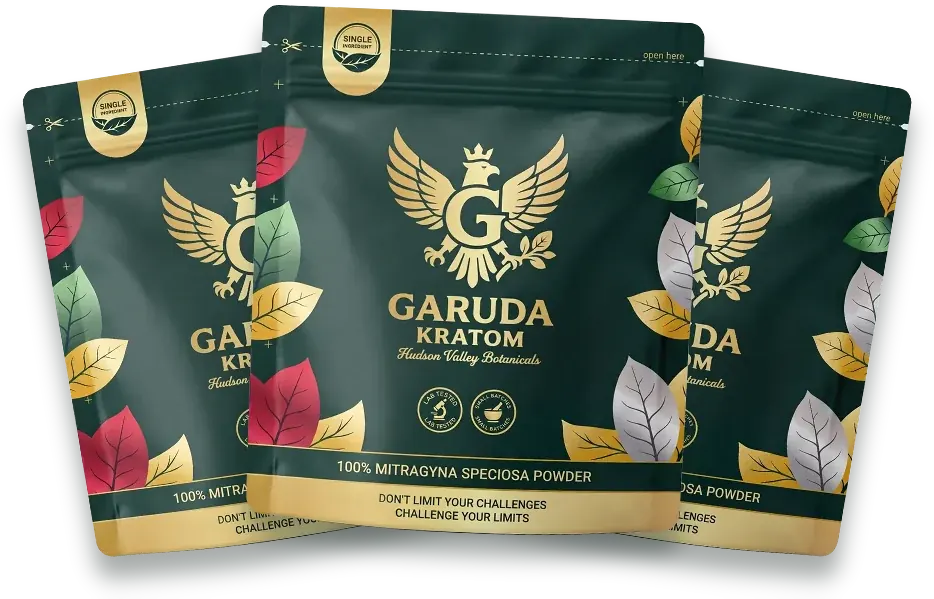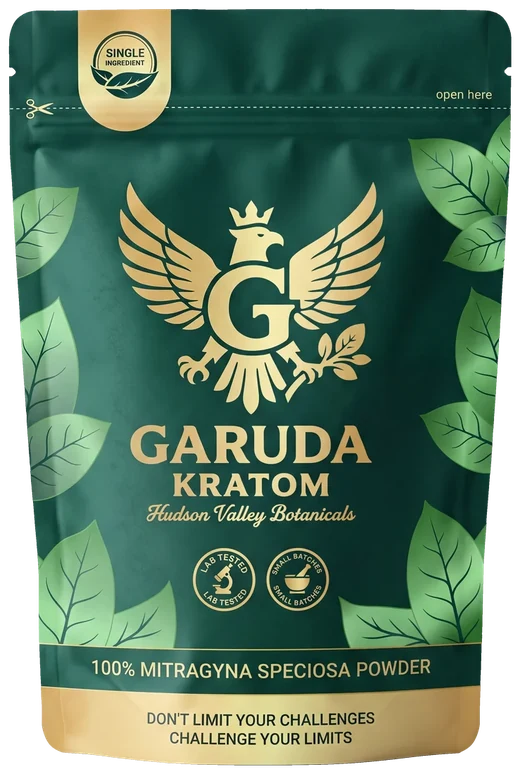


Few botanical supplements have been the subject of as much misinformation, exaggeration, and conflicting claims as kratom. Depending on where you look, kratom is either a dangerous drug that should be banned immediately or a miracle plant that can solve virtually any problem. The truth, as is often the case, lies somewhere in the middle—grounded in science, historical evidence, and nuance. In this article, we tackle the most common myths about kratom head-on, separating verifiable facts from fiction and providing the evidence-based information you need to form your own informed opinions.
Myth #1: “Kratom Is a Synthetic Drug”
Fact: Kratom is a natural botanical product derived from the leaves of a tropical tree.
Kratom (Mitragyna speciosa) is a tropical evergreen tree in the Rubiaceae (coffee) family, native to Southeast Asia. It is not synthetic, not manufactured in a laboratory, and not chemically created. The leaves of the kratom tree contain naturally occurring alkaloids that the plant produces as part of its biological processes—the same way coffee plants produce caffeine, tea plants produce theanine, and willow trees produce salicin (the precursor to aspirin).
This myth may stem from confusion with synthetic 7-hydroxymitragynine (7-OH) products that have appeared on the market. These products, which contain laboratory-synthesized versions of one of kratom’s naturally occurring alkaloids at concentrated levels, are fundamentally different from natural, whole-leaf kratom. Reputable kratom vendors like Hudson Valley Botanicals sell only natural kratom products, not synthetic compounds.
Myth #2: “Kratom Is an Opioid”
Fact: Kratom is not an opioid, though some of its alkaloids interact with opioid receptors.
This is one of the most common and consequential misconceptions about kratom. The confusion arises because kratom’s primary alkaloid, mitragynine, has been shown in preclinical studies to interact with mu-opioid receptors. However, interacting with opioid receptors does not make a substance an opioid.
Important pharmacological distinctions:
- Opioids (such as morphine, oxycodone, and fentanyl) are full agonists at mu-opioid receptors, meaning they fully activate these receptors.
- Mitragynine has been characterized in preclinical research as a partial agonist at mu-opioid receptors—a fundamental pharmacological difference. Partial agonists activate receptors to a lesser degree than full agonists and have a different activity ceiling.
- Kratom alkaloids also interact with multiple other receptor systems including adrenergic, serotonergic, and dopaminergic receptors, making kratom’s pharmacology far more complex than that of opioid drugs.
- Kratom is a whole-plant botanical containing 40+ alkaloids, including some that act as receptor antagonists. This multi-compound pharmacology is fundamentally different from a single-molecule pharmaceutical drug.
The FDA has publicly characterized kratom as an opioid, a position that has been challenged by independent scientists including Dr. Jack Henningfield of Johns Hopkins University and researchers at the University of Florida, who argue that kratom’s complex, multi-receptor pharmacology makes the “opioid” label scientifically misleading.
Myth #3: “Kratom Has Killed Hundreds of People”
Fact: The vast majority of deaths cited in connection to kratom involved multiple substances (polydrug use), and no deaths have been conclusively attributed to kratom alone in otherwise healthy individuals.
This myth stems from FDA reports citing deaths “associated with” kratom. The critical detail that is often omitted is the definition of “associated with.” In the vast majority of these cases, multiple substances were detected in toxicology reports, including pharmaceutical opioids, benzodiazepines, alcohol, and other drugs. The presence of kratom in a toxicology panel does not establish it as the cause of death.
A thorough review of available evidence reveals:
- The FDA initially cited 36 deaths “associated with” kratom in its 2017 advisory. Upon independent review, the AKA and other organizations found that nearly all cases involved polydrug use or pre-existing medical conditions.
- Subsequent FDA reports expanding the count to 44 and higher were subject to the same criticisms regarding attribution methodology.
- In contrast, the Johns Hopkins University survey of over 2,700 kratom users (published in Drug and Alcohol Dependence, 2020) found a relatively low rate of self-reported serious adverse effects.
This is not to say that kratom carries zero risk—no substance does. Responsible use, quality sourcing, and avoiding combinations with other substances are important safety considerations. But the claim that kratom is a prolific killer is not supported by a careful reading of the available evidence.
Myth #4: “All Kratom Is the Same”
Fact: Kratom varies enormously in quality, alkaloid content, purity, and safety depending on sourcing, processing, and vendor standards.
The difference between high-quality, lab-tested kratom from a reputable vendor and a low-quality, untested product from an unknown source can be substantial. Factors that create variability include:
- Growing region and conditions: Soil, climate, and geography affect alkaloid development.
- Harvest timing and leaf maturity: These influence vein color classification and alkaloid ratios.
- Drying and processing methods: Indoor drying, sun drying, and fermentation each produce different results.
- Quality control and testing: Products that are third-party lab tested for alkaloid content, contaminants, and adulterants are verifiably different from untested products.
- Storage and handling: Proper storage maintains alkaloid integrity; poor storage degrades it.
This is why vendor selection matters so much. Buying from vendors who follow GMP standards and provide COAs ensures a consistent, quality product.
Myth #5: “Kratom Is Completely Unregulated”
Fact: While there is no comprehensive federal kratom regulation, numerous states have enacted Kratom Consumer Protection Act (KCPA) legislation, and the industry has robust voluntary quality standards.
The narrative that kratom exists in a regulatory vacuum is outdated. The reality in 2026 includes:
- State-level KCPA laws: Multiple states have passed Kratom Consumer Protection Act legislation establishing age restrictions, labeling requirements, product purity standards, and enforcement mechanisms.
- AKA GMP Standards Program: The American Kratom Association’s GMP program provides comprehensive manufacturing and quality control standards, verified through independent third-party audits.
- FDA enforcement: The FDA actively enforces against kratom products marketed with unauthorized health claims and has issued warning letters, import alerts, and mandatory recalls.
- Pending federal legislation: A federal Kratom Consumer Protection Act has been introduced in Congress.
Is kratom regulated as comprehensively as, say, pharmaceutical drugs? No. But the characterization of kratom as “completely unregulated” ignores the significant regulatory framework that has developed at both the state and industry levels.
Myth #6: “Kratom Is Just Like Coffee Because They’re in the Same Family”
Fact: While kratom and coffee share the Rubiaceae botanical family, their chemistry and pharmacology are very different.
The coffee-kratom comparison is often invoked by both sides of the kratom debate, and both tend to oversimplify. Yes, kratom and coffee are botanical relatives in the Rubiaceae family. But botanical family classification does not imply pharmacological similarity. Tomatoes and deadly nightshade are in the same family (Solanaceae); coca and buckwheat are both in the order Caryophyllales. Family membership tells you about evolutionary lineage, not necessarily about chemical properties.
That said, the comparison is useful for illustrating one point: alkaloid-producing plants exist on a spectrum, and membership in the coffee family demonstrates that kratom is not some alien, unknown entity but rather part of a well-studied botanical lineage that includes humanity’s most widely consumed psychoactive plant (coffee).
Myth #7: “Kratom Vendors Are All Untrustworthy”
Fact: While the kratom market includes vendors of varying quality, many vendors maintain rigorous standards including GMP compliance, third-party testing, and full transparency.
Like any industry, the kratom market includes both responsible and irresponsible operators. However, characterizing all kratom vendors as untrustworthy is inaccurate and unfair to the many businesses that invest significantly in quality, safety, and transparency.
Signs of a trustworthy kratom vendor include:
- Third-party lab testing with publicly available COAs
- GMP compliance verified through independent auditing
- Proper labeling with ingredient lists, batch numbers, and contact information
- No unauthorized health claims
- Responsive customer service
- Age verification at point of sale
- Transparent sourcing information
At Hudson Valley Botanicals, we meet every one of these criteria. View our lab results, browse our products, and reach out to our team with any questions.
Myth #8: “The FDA Has Banned Kratom”
Fact: The FDA has NOT banned kratom. Kratom remains legal at the federal level in the United States.
This is a surprisingly common misconception. While the FDA has taken numerous regulatory actions regarding kratom (import alerts, warning letters, public advisories, and a scheduling recommendation to the DEA), the agency has not banned kratom. The DEA has not scheduled kratom as a controlled substance. Kratom remains federally legal in the United States.
The FDA’s position is that kratom products marketed with health claims are “unapproved drugs,” but this is a labeling and marketing enforcement issue, not a product ban. The distinction matters: you can legally purchase, possess, and use kratom in most U.S. jurisdictions.
Myth #9: “Kratom Research Is Nonexistent”
Fact: There is a substantial and growing body of scientific research on kratom, though more human clinical studies are needed.
While it is true that kratom has not been studied as extensively as many pharmaceutical drugs, calling the research “nonexistent” is flatly wrong. The scientific literature on kratom includes:
- Hundreds of published peer-reviewed papers on kratom alkaloid pharmacology, toxicology, and chemistry
- Research conducted at major institutions including Johns Hopkins, Columbia University, University of Florida, Memorial Sloan Kettering, and others
- NIDA-funded research grants supporting ongoing kratom studies
- Large-scale survey studies documenting real-world kratom use patterns and self-reported outcomes
- Ongoing clinical and preclinical research programs at multiple universities
What is true is that more controlled human clinical trials are needed—a point that kratom advocates and many researchers agree on. Ironically, the DEA scheduling that some parties have advocated would make such research significantly more difficult to conduct.
Myth #10: “Kratom Is Only Used Recreationally”
Fact: Survey data consistently shows that the majority of kratom users report using kratom for self-management purposes, not recreational use.
The 2020 Johns Hopkins survey of over 2,700 kratom users found that the overwhelming majority reported using kratom for self-directed wellness purposes. While some individuals do use kratom recreationally, characterizing the entire user base as recreational users misrepresents the available data.
This is particularly important in the regulatory context: policies designed to address recreational misuse may disproportionately impact the millions of Americans who use kratom as part of their daily wellness routines.
The Importance of Critical Thinking
In an information environment where misinformation travels fast, critical thinking is your best tool. When evaluating claims about kratom—whether positive or negative—ask these questions:
- What is the source? Is it a peer-reviewed scientific paper, a government agency, an advocacy organization, or an anonymous internet post?
- What evidence is cited? Are claims supported by specific, verifiable data, or are they unsourced assertions?
- Is the full context provided? Are important details (like polydrug use in death reports) included or omitted?
- Does the source have a potential bias? Everyone has a perspective, but being aware of potential biases helps you evaluate information more accurately.
- What do independent scientists say? Peer-reviewed research and independent scientific analysis generally provide the most reliable information.
At Hudson Valley Botanicals, we are committed to providing accurate, evidence-based information about kratom. We do not make health claims, and we do not exaggerate kratom’s properties. We believe that an informed consumer is the best kind of consumer, and that the truth about kratom is compelling enough without embellishment. Visit our About Kratom page for more educational content, check our FAQ for answers to common questions, and contact us anytime with questions.
These statements have not been evaluated by the Food and Drug Administration. This product is not intended to diagnose, treat, cure, or prevent any disease.