The History of Kratom: Centuries of Traditional Use in Southeast Asia

The History of Kratom: Centuries of Traditional Use in Southeast Asia

March 26, 2026

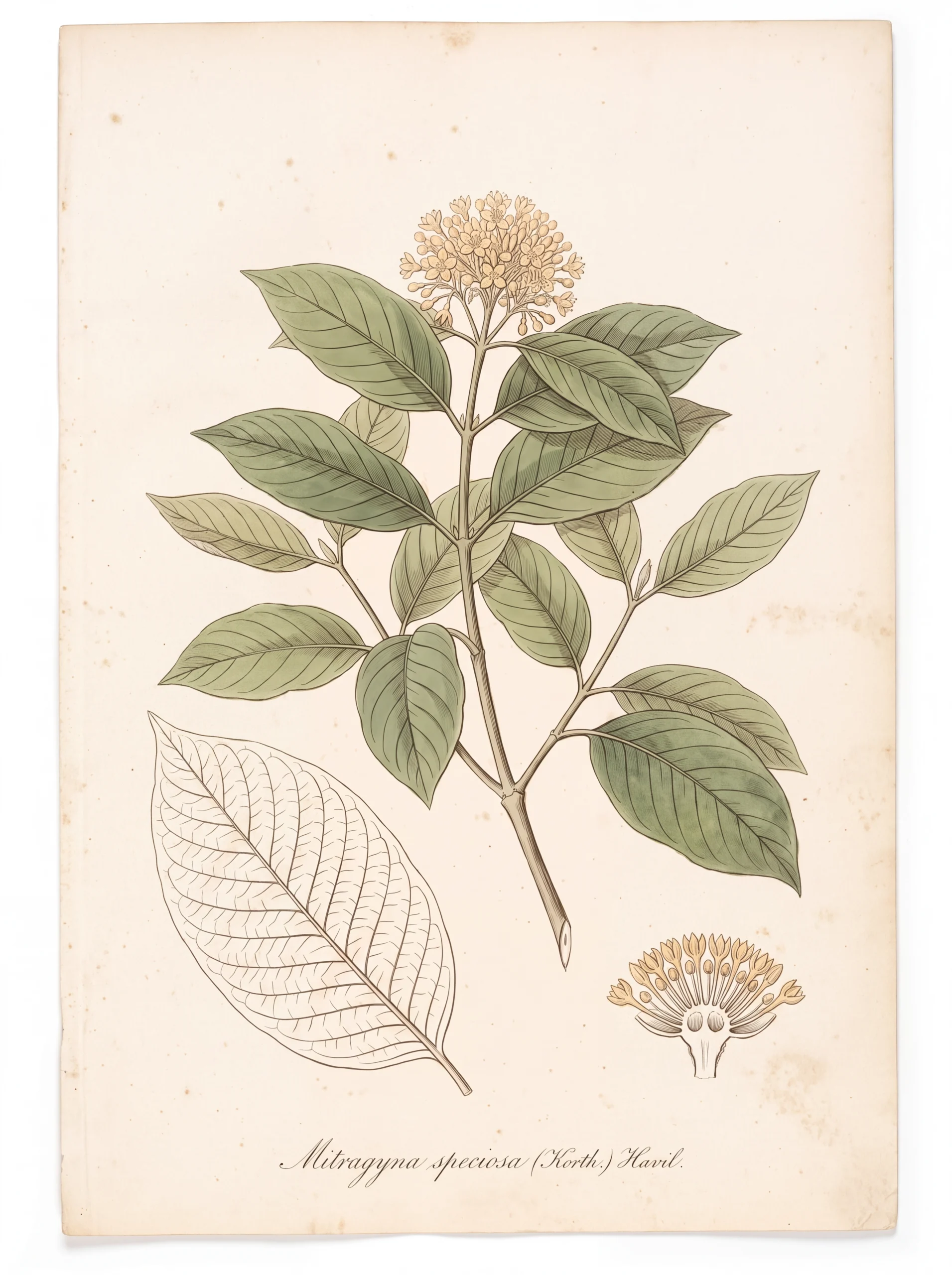
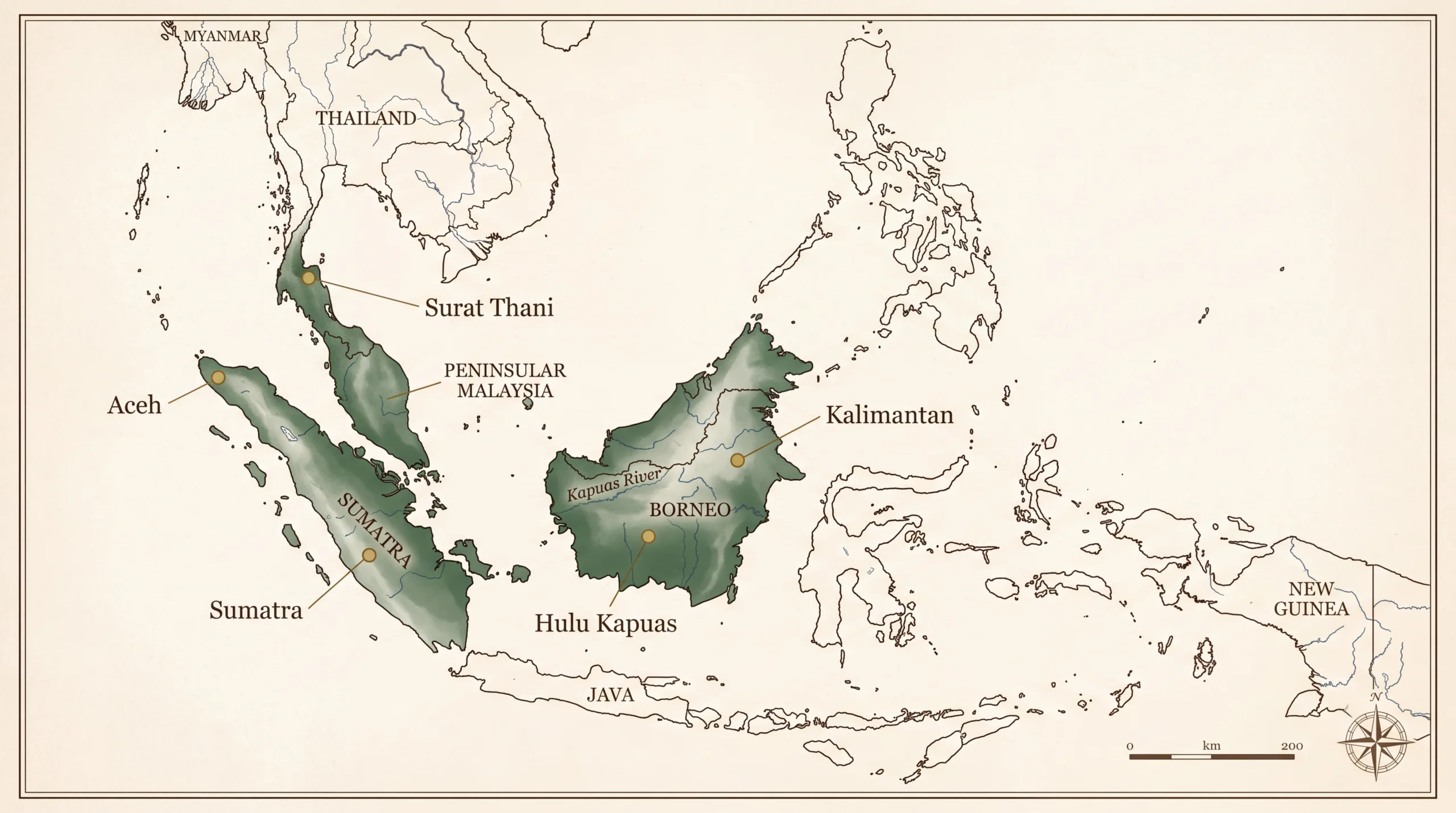
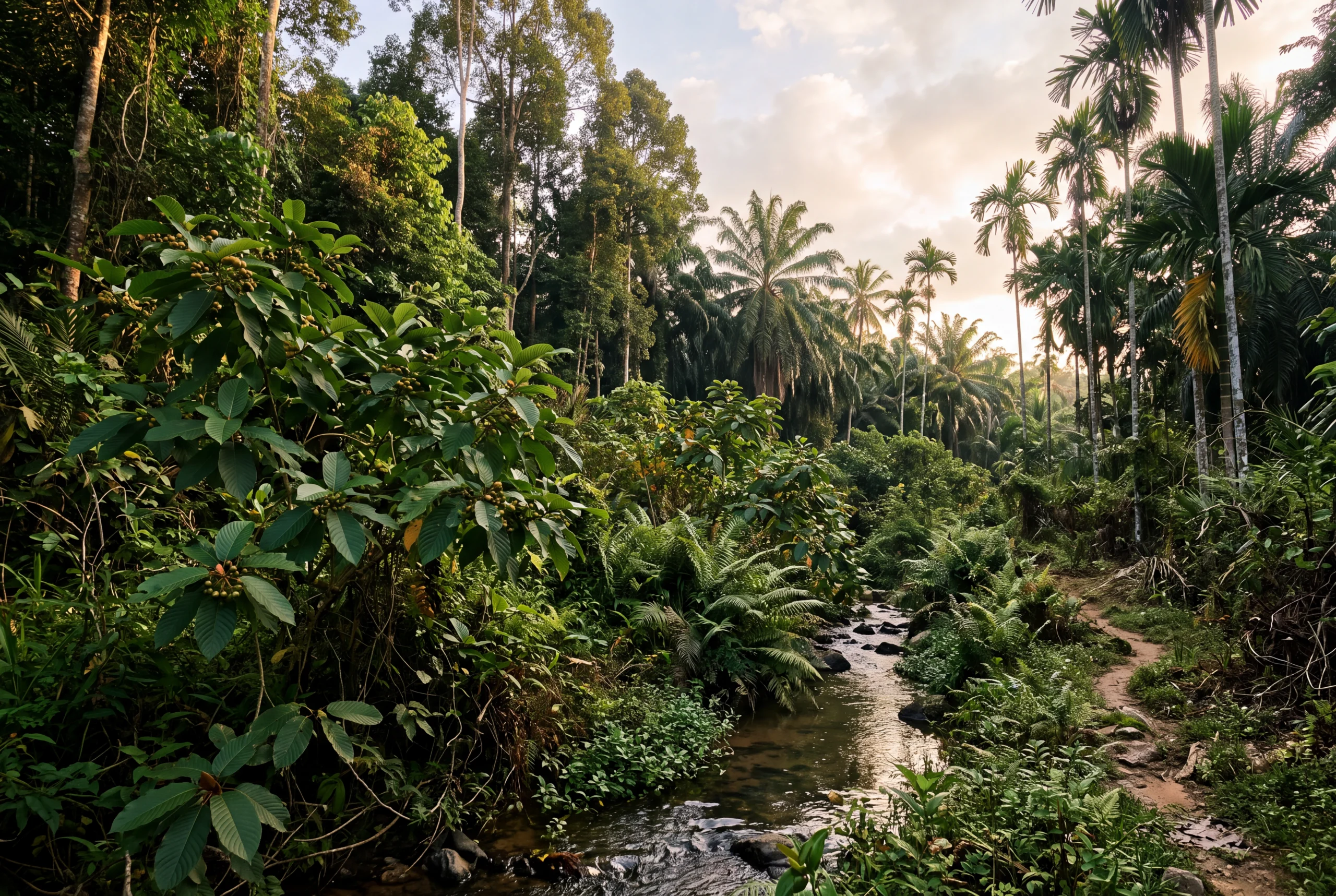
Long before kratom became a topic of debate in American legislatures and FDA meeting rooms, it was simply a tree—a towering evergreen woven into the daily lives, cultural practices, and folk traditions of Southeast Asian communities for centuries. The history of kratom (Mitragyna speciosa) stretches back far beyond modern scientific study, rooted in the tropical forests of what are now Thailand, Malaysia, Indonesia, Myanmar, and Papua New Guinea. Understanding this rich history provides essential context for the modern kratom conversation and a deeper appreciation for this remarkable botanical.

Ancient Roots: Traditional Use Before Western Documentation

The earliest uses of kratom predate written records and are preserved through oral tradition among indigenous communities in Southeast Asia. While it is impossible to pinpoint exactly when humans first began using kratom leaves, ethnobotanical evidence suggests that the practice extends back centuries, possibly millennia.

In the tropical lowland forests of the Malay Peninsula, Borneo, Sumatra, and mainland Southeast Asia, indigenous communities lived in intimate relationship with their forest environment. Plants were food, medicine, shelter, and spiritual tools. Kratom, as a large, abundant tree producing accessible leaves with noticeable effects when chewed, would have been discovered and incorporated into daily life through the same process of traditional ecological knowledge that led human communities worldwide to identify useful plants.

The Dayak people of Borneo, one of the island’s indigenous groups, have traditional practices involving kratom that are deeply embedded in their cultural heritage. Similarly, communities throughout the Malay world developed their own relationships with the tree, incorporating it into folk medicine, social customs, and daily labor.

Thailand: “Krathom” in Thai Culture

Thailand has the most thoroughly documented history of kratom use, owing in part to early colonial-era observations by Western botanists and later to the Thai government’s own extensive documentation when it moved to regulate the plant.

Working-Class Tradition

In Thailand, kratom is known as “krathom” (กระท่อม) and has been used for generations by laborers, farmers, and workers in physically demanding occupations. Thai rice paddy farmers, rubber tappers, tin miners, and manual laborers traditionally chewed fresh kratom leaves during long hours of work in the tropical heat. The practice was deeply embedded in working-class culture—as common and unremarkable as a factory worker’s coffee break in the Western world.

Historical accounts describe workers chewing one to three fresh leaves at a time, often removing the central vein before placing the leaf in the mouth and chewing slowly. Fresh leaves were preferred to dried leaves in traditional Thai use, as they were readily available from trees growing throughout the region.

Folk Medicine

Beyond its role as a laboring aid, kratom held a place in Thai folk medicine. Traditional healers (known as mor pheun baan or village doctors) incorporated kratom into various preparations. Historical accounts describe kratom being used traditionally as a poultice, as a preparation for digestive discomfort, and as a general wellness tonic. These uses were part of a broader system of traditional Thai herbal medicine that employed hundreds of local plants.

The 1943 Kratom Act

One of the most significant events in kratom’s history was the passage of the Kratom Act 2486 (1943) in Thailand, which made planting new kratom trees illegal. The context of this legislation is revealing: during World War II, the Thai government was generating significant revenue from taxes on opium distribution. As kratom was widely available and free—anyone could chew leaves from a tree in their yard—it represented competition to the government’s opium tax revenue.

As historian and ethnobotanist Dr. Suwannahong and others have documented, the Kratom Act was driven more by economic and political considerations than by public health concerns. The law required existing kratom trees to be cut down, though enforcement was inconsistent, particularly in rural areas where the trees were abundant and the practice deeply ingrained. Many Thai communities continued using kratom despite its illegal status.

This prohibition lasted nearly 80 years. In August 2021, Thailand officially decriminalized kratom, removing it from the narcotics list and allowing legal cultivation, sale, and use. This reversal was widely celebrated by the kratom community worldwide as a vindication of the plant’s traditional role and safety profile.

Malaysia: Ketum Culture

In Malaysia, kratom is known as “ketum” or “biak-biak” and has its own distinct cultural history. Traditional Malaysian kratom use shares some similarities with Thai practices but also has unique characteristics.

Social and Medicinal Use

Malaysian communities traditionally used kratom both as a personal daily botanical and as a social beverage. In some communities, offering kratom tea to visitors was a gesture of hospitality, similar to the tea ceremonies of East Asia or the coffee traditions of the Middle East. Kratom was prepared as a tea by boiling fresh or dried leaves in water, often with sweetening agents added to offset the plant’s naturally bitter taste.

In Malaysian folk medicine, kratom was traditionally used for a variety of purposes, including as a preparation for topical application and as a traditional remedy for general malaise. Malay traditional healers (bomoh) included kratom among the many forest plants in their pharmacopoeia.

Regulation in Malaysia

Malaysia’s regulatory approach to kratom has differed from Thailand’s. Kratom was regulated under the Poisons Act 1952, which classified it as a controlled substance. However, enforcement has varied, and traditional use has continued in many rural areas. There have been ongoing discussions in Malaysia about regulatory reform, particularly in light of Thailand’s 2021 decriminalization.

Indonesia: The World’s Kratom Supplier

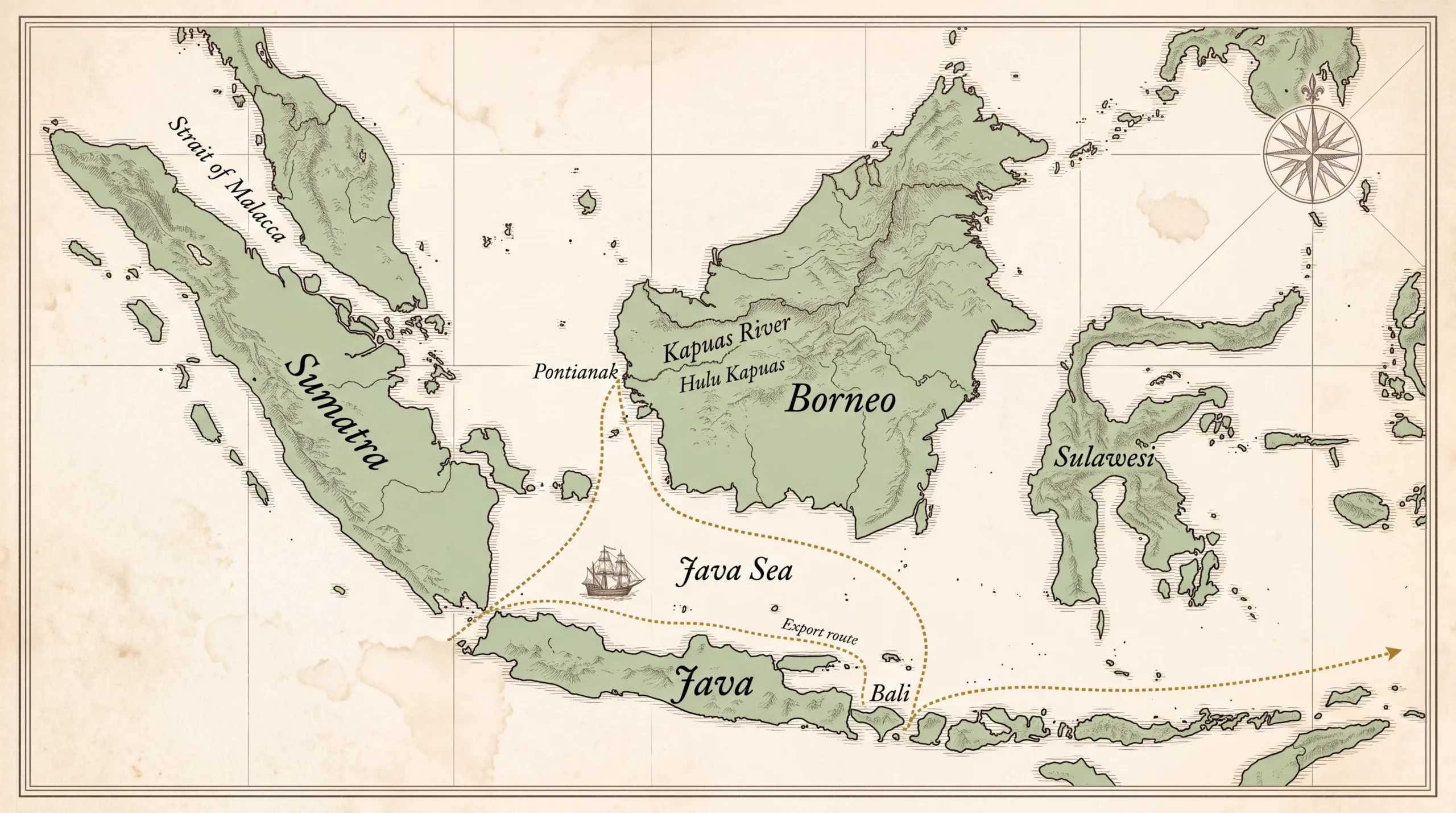
While Thailand and Malaysia have the best-documented histories of traditional kratom use, Indonesia has emerged as the world’s dominant kratom producer and exporter. Today, an estimated 95% or more of the kratom sold in the United States comes from Indonesia, primarily from the island of Borneo (Indonesian provinces of West Kalimantan and Central Kalimantan).

Indigenous Use

Indigenous communities on Borneo, particularly the Dayak peoples, have traditional relationships with kratom that predate the modern commercial trade by generations. Kratom was one of many forest plants used in daily life and traditional practices.

The Modern Kratom Economy

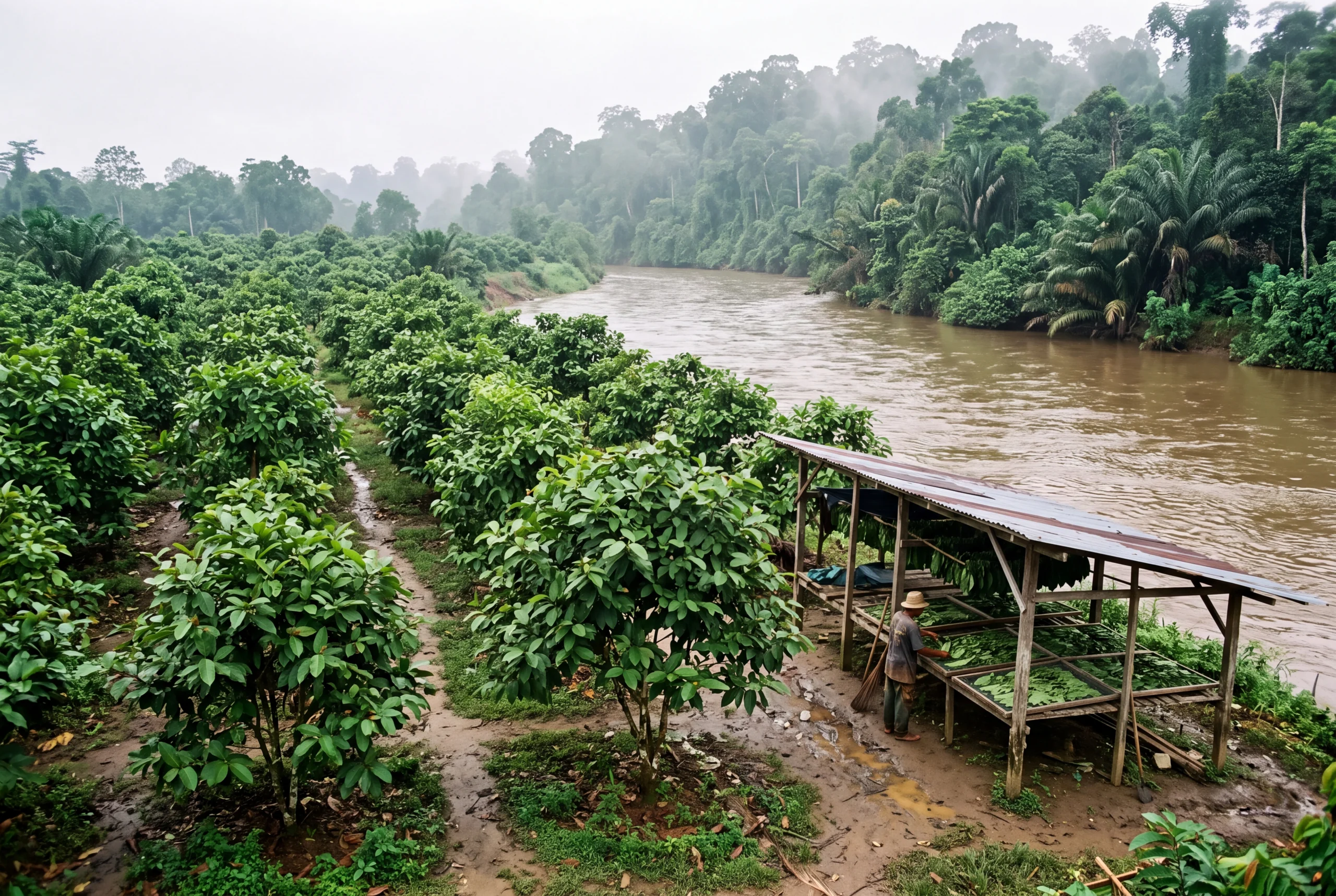
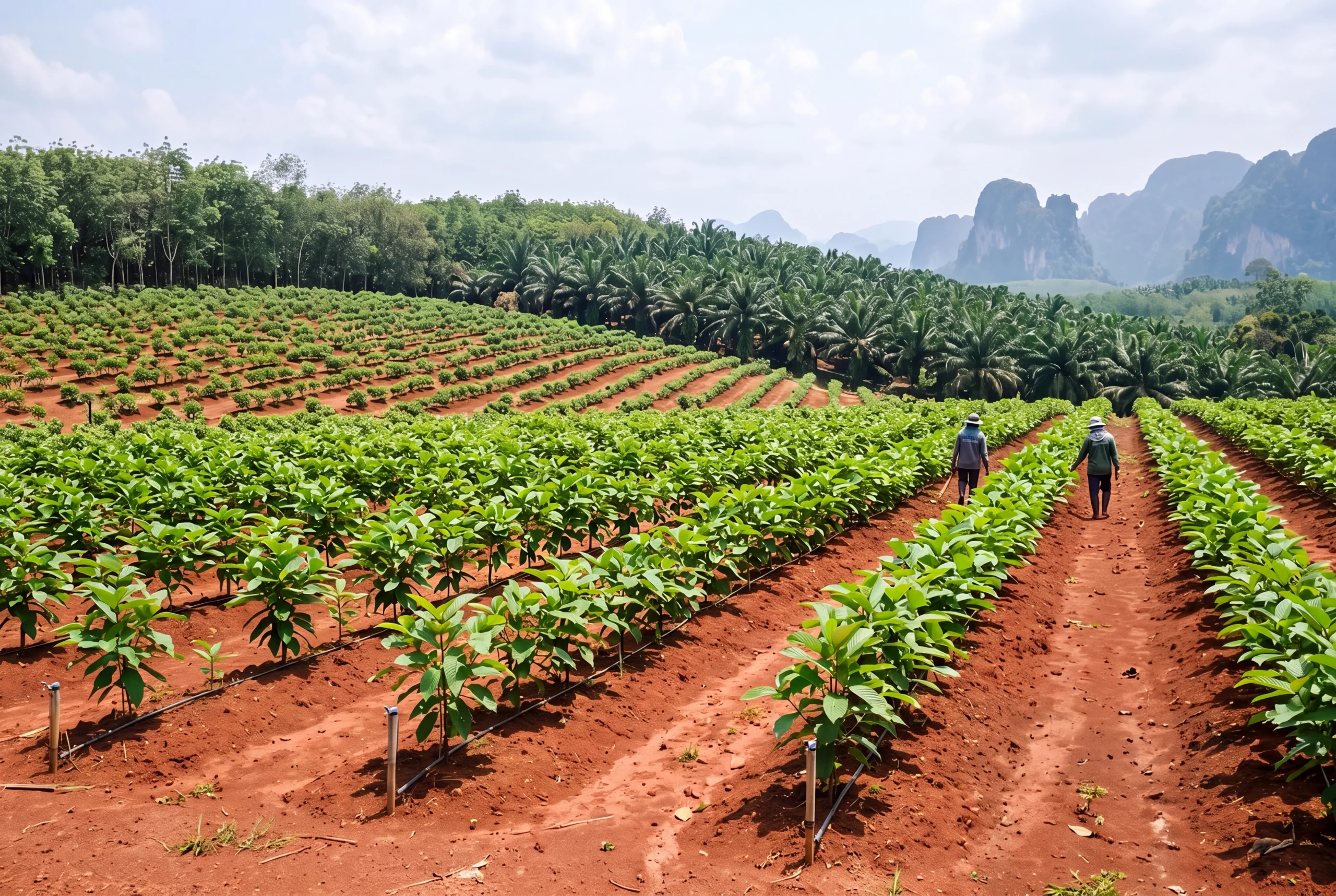
The rapid growth of Western demand for kratom since the early 2000s has transformed kratom from a locally used forest product into a major agricultural export commodity for Indonesian farming communities. An estimated 50,000 or more Indonesian farmers now participate in kratom harvesting and processing, and for many communities in West Kalimantan and other growing regions, kratom represents a primary source of income.

This economic dimension adds an important layer to the kratom story. Regulatory actions taken in the United States—such as potential DEA scheduling or FDA bans—would have significant economic consequences for tens of thousands of Indonesian farming families. The livelihoods of these communities are directly connected to the regulatory decisions being made thousands of miles away in Washington, D.C.

Western Discovery and Scientific Documentation

Western awareness of kratom developed gradually through colonial-era botany and exploration:

Early Botanical Documentation

  • 1836–1839: Dutch colonial botanist Pieter Willem Korthals provided one of the first Western botanical descriptions of the kratom tree. He initially assigned it to the genus Stephegyne before it was later reclassified. Korthals named the genus Mitragyna because the plant’s flower stigmas resembled a bishop’s mitre (the tall, pointed hat worn by Catholic bishops).
  • 1859: British botanist George Darby Haviland further documented kratom’s botanical characteristics during his work in the Malay Peninsula.
  • 1895: E.M. Holmes documented kratom use in the Malay States, noting its use as a substitute for opium in some contexts.

Chemical Investigation

  • 1921: Ellen Field first isolated mitragynine from kratom leaves, identifying the primary alkaloid that would later become the focus of extensive research.
  • 1964: D. Zacharias and colleagues determined the complete chemical structure of mitragynine through X-ray crystallography.
  • 1994: Ponglux and colleagues isolated and characterized 7-hydroxymitragynine, the second major alkaloid that has since become central to regulatory discussions.

Kratom Comes to the West

Kratom’s presence in Western markets grew gradually through the late 20th and early 21st centuries:

  • 1990s–early 2000s: Kratom began appearing in Western ethnobotanical shops and online vendors, primarily marketed to a niche audience of botanical enthusiasts and ethnobotanical researchers.
  • 2005–2010: Online availability expanded significantly, and kratom gained a wider following in the United States and Europe.
  • 2010–2016: Kratom experienced explosive growth in popularity, with the American Kratom Association estimating that usage grew to 10–16 million Americans. This growth attracted both mainstream attention and regulatory scrutiny.
  • 2016–present: The DEA scheduling attempt, FDA campaigns, KCPA legislative movement, and ongoing advocacy have defined the modern era of kratom in the West.

Lessons from History

Kratom’s long history offers several important lessons for the modern conversation:

  • Traditional use provides context: Centuries of traditional use in Southeast Asia provide valuable ethnobotanical data. While traditional use alone does not constitute proof of safety or efficacy by modern scientific standards, it does provide a historical record that informs risk assessment.
  • Prohibition has been tried before: Thailand’s 1943 Kratom Act demonstrates that prohibition of kratom was driven by economic interests rather than public health evidence—and that it ultimately failed to eliminate use. Thailand’s 2021 reversal of this prohibition further underscores this point.
  • Cultural context matters: Kratom is not merely a chemical substance; it is a botanical with deep cultural significance for millions of people in Southeast Asia and a growing community of users in the West.
  • Economic impacts are real: The kratom trade supports tens of thousands of farming families in Indonesia. Regulatory decisions must consider these human consequences.

At Hudson Valley Botanicals, we believe that understanding kratom’s history enriches the consumer experience and strengthens the case for responsible, evidence-based regulation. Explore our About Kratom page for more educational content, or browse our product selection to experience this centuries-old botanical for yourself. Questions? Contact our team—we are always here to help.

Share:

Welcome!

You must be 21+ to purchase Kratom products
You must be 18+ to purchase Botanicals products

I am I am not

Remember Me
Disclaimer: Kratom: FDA DISCLAIMER: The statements made regarding these products have not been evaluated by the Food and Drug Administration. The efficacy of these products has not been confirmed by FDA-approved research. These products are not intended to diagnose, treat, cure, or prevent any disease. KRATOM DISCLAIMER: “This product is not available for shipment to the following states: Alabama, Arkansas, Indiana, Wisconsin, Connecticut; or the following counties: Sarasota County (Florida), San Diego (California), Oceanside (California), Alton (Illinois), Jerseyville (Illinois), Edwardsville County (Illinois), Columbus (Mississippi), Union County (Mississippi), Ascension (Louisiana), Franklin (Louisiana), Rapides (Louisiana)”. Our products are not for use by or sale to persons under the age of 21. WAAVE ALSO RESPECTS COMPLIANCE IN THE FOLLOWING STATES AND COUNTIES: Vermont, Louisiana. Denver CO, Washington D.C., Newport Beach CA, Malheur County, Parker & Monument (CO), Grant Parish (LA), Franklin (NH) and several other counties in Mississippi. We do not ship internationally. ID verification is required for shipments to the following states: Florida, Virginia, West Virginia, Colorado, Oregon, South Dakota, Nebraska, Kentucky, Maryland, Tennessee, Mississippi, Georgia, Rhode Island. Enhanced Kratom cannot be shipped to Tennessee and Georgia. Kratom is NOT used to treat, cure, or mitigate any disease, illness, ailment, and/or condition. Please consult your doctor before consuming any new products. Kratom has not been tested on pregnant women. Please, see the FDA alert 54-15. We make no representations as to intended use or suitability for use. This product contains chemicals known to the state of California to cause cancer, birth defects, or reproductive harm. Specifically nickel, arsenic, and lead. For more information please visit p65warnings.ca.gov. We do not ship to military bases
- Botanicals: We respect federal state and city laws, our shipping restrictions are detailed below on the footer and they are automatically updated by WAAVE compliance FDA Disclaimer: The statements made regarding our products have not been evaluated by the Food and Drug Administration. The efficacy of these products has not been confirmed by FDA-approved research. We assume no responsibility for the improper use of our products. These products are not intended to diagnose, treat, cure or prevent any disease. All information presented here is not meant as a substitute for or alternative to information from health care practitioners. Please consult your health care professional about potential interactions or other possible complications before using any product. The Federal Food, Drug, and Cosmetic Act requires this notice. Merchants may not ship to military bases.
 

WAAVE Compliance