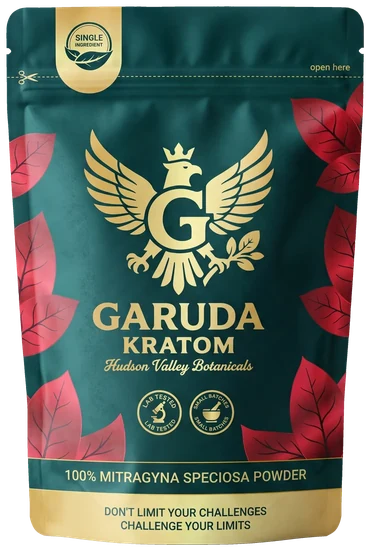
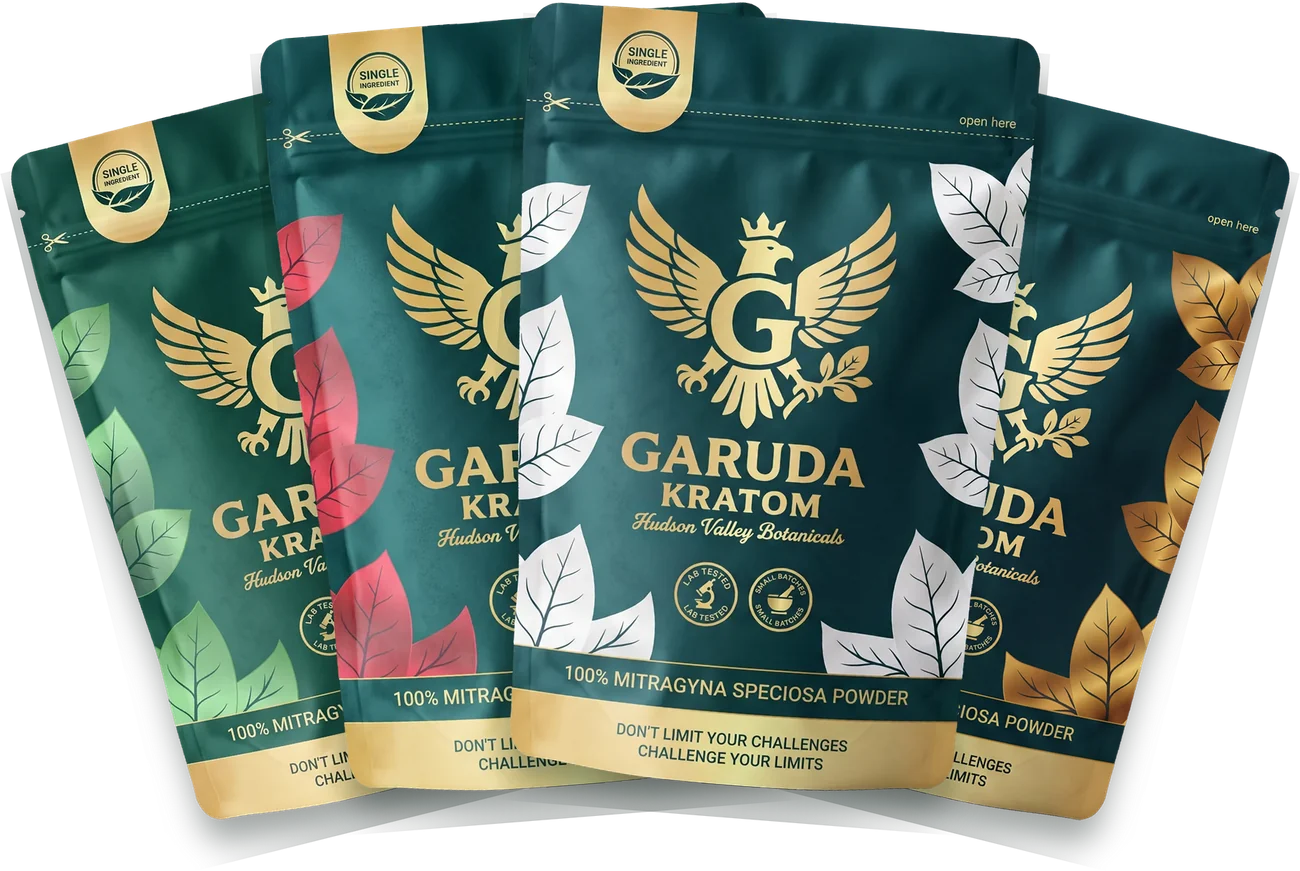

With the growing popularity of kratom, an estimated 10-16 million Americans now use it regularly, the market has become saturated with vendors of varying quality, integrity, and standards. The difference between high-quality, lab-tested kratom and poorly sourced, contaminated product can be enormous, affecting everything from effectiveness and consistency to personal safety. The 2018 salmonella outbreak linked to contaminated kratom products, which affected nearly 200 people across 41 states according to the CDC, serves as a stark reminder of why quality sourcing matters. This comprehensive buyer’s guide will equip you with the knowledge to identify truly premium kratom and avoid subpar or potentially dangerous products.
Look for Third-Party Lab Testing: The #1 Quality Indicator
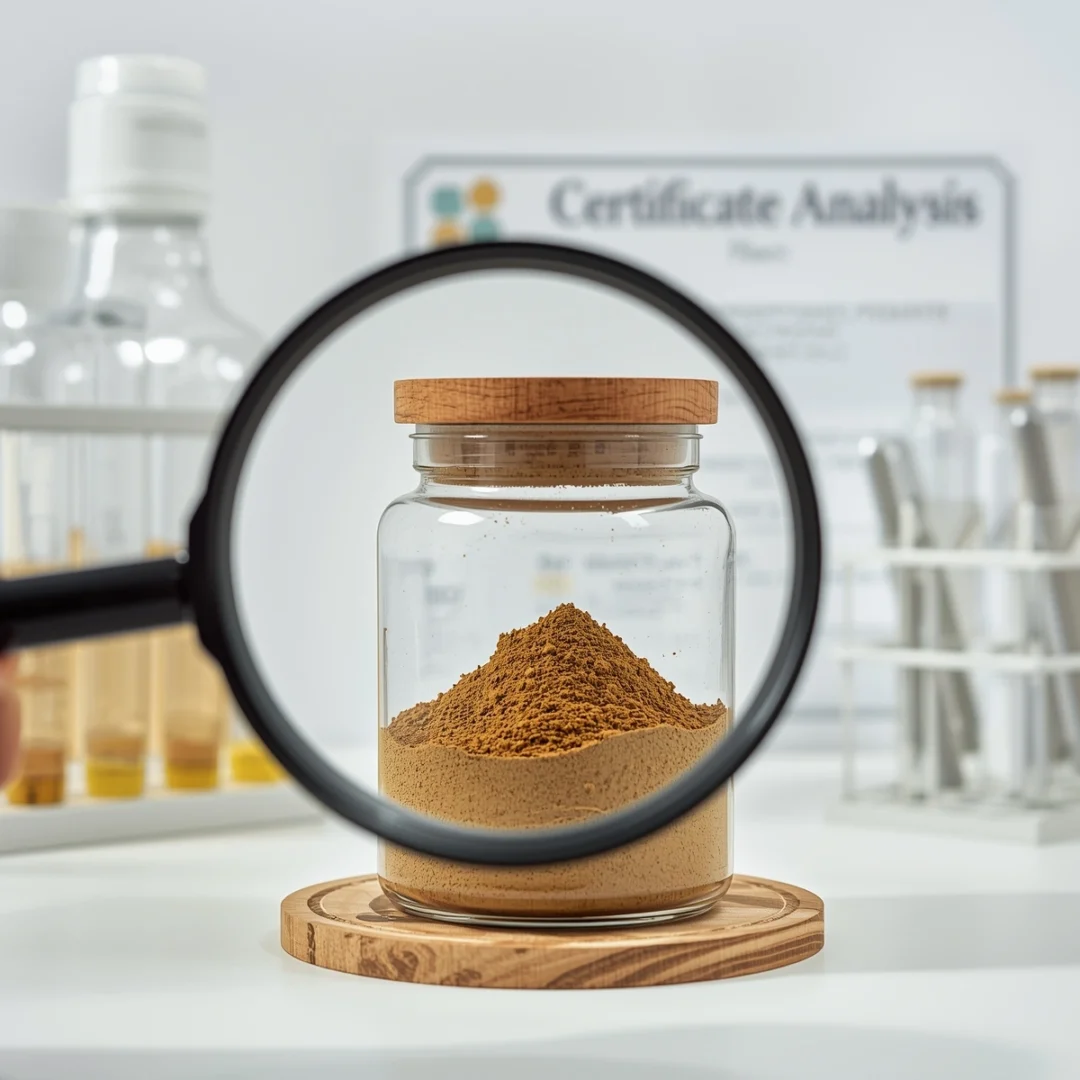
The single most important factor when evaluating a kratom vendor is whether they provide third-party laboratory test results for their products. “Third-party” is the critical distinction here, this means an independent, accredited laboratory that has no financial relationship with the vendor performs the testing, eliminating conflicts of interest. In-house testing, where the vendor tests their own products, does not provide the same level of assurance.
Comprehensive third-party testing screens for:
- Heavy metals: Lead, mercury, arsenic, and cadmium testing against strict thresholds (ideally California Proposition 65 limits, the strictest in the nation). Kratom trees can absorb heavy metals from contaminated soil, making this testing essential.
- Microbial contamination: Total aerobic plate count, yeast and mold counts, and specific pathogen testing for salmonella, E. coli, and staphylococcus. Contamination can occur during harvesting, drying, processing, or storage at any point in the supply chain.
- Pesticides and herbicides: While less commonly tested, screening for agricultural chemicals is important because some Southeast Asian growing regions may use pesticides that are banned or restricted in the United States.
- Alkaloid content verification: Testing for mitragynine and 7-hydroxymitragynine concentrations confirms that the product is genuine kratom with the expected alkaloid profile. Typical mitragynine levels range from 1-2% of dry leaf weight, though premium strains may test higher.
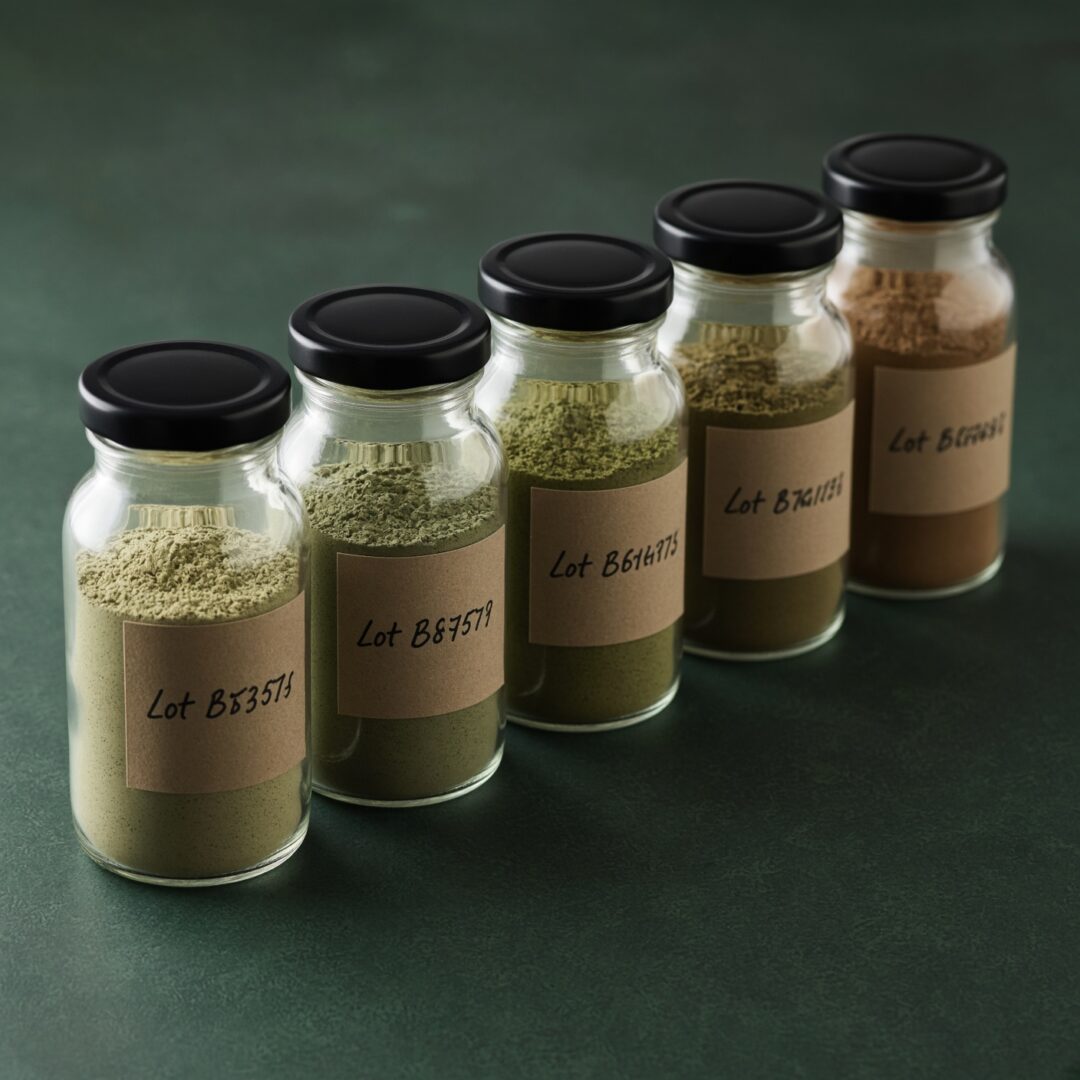
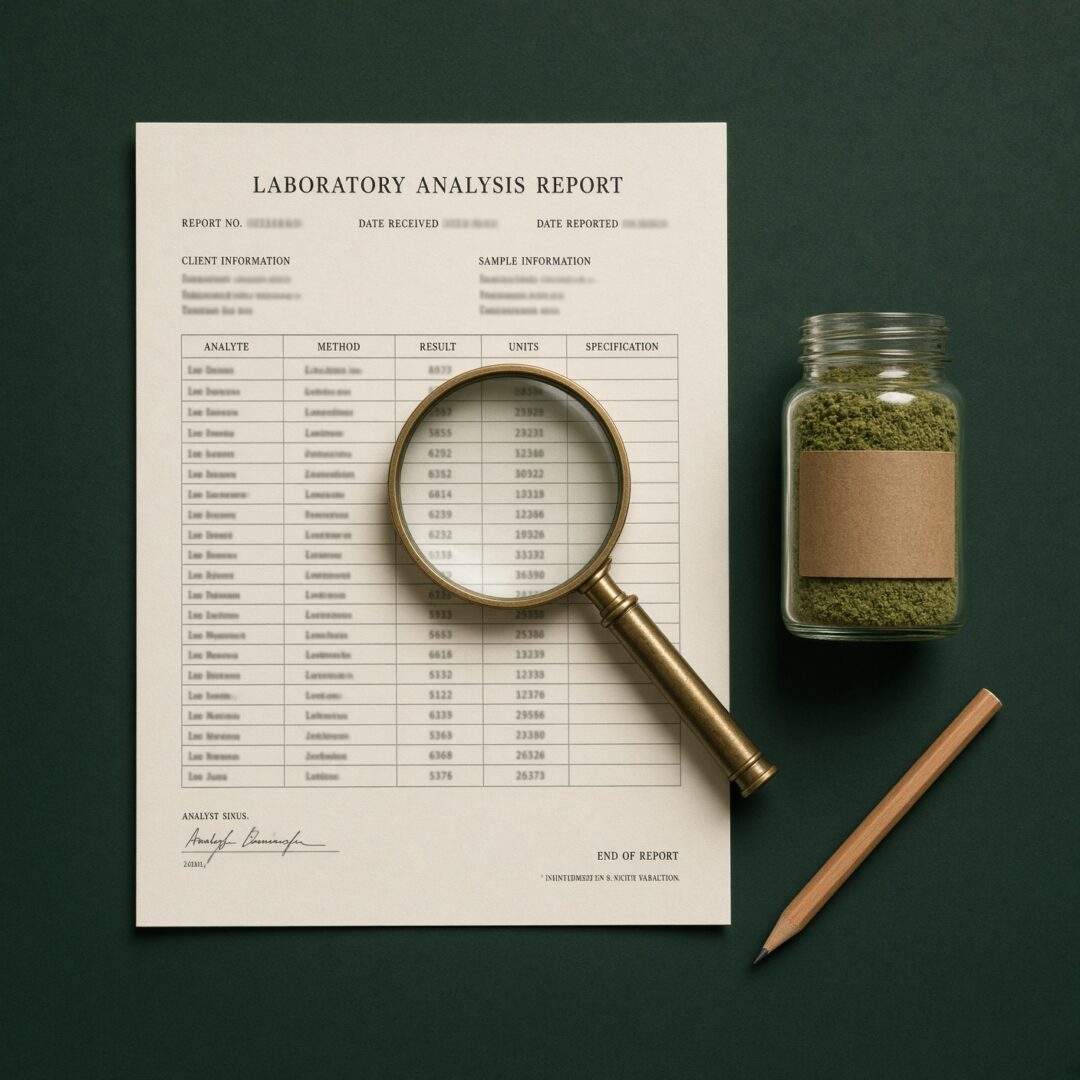
Always request to see current lab results in the form of a Certificate of Analysis (COA). A legitimate COA should include the laboratory’s name and accreditation information, the date of testing, the specific batch or lot number being tested, quantitative results with acceptable limits, and a pass/fail determination. At Hudson Valley Botanicals, we provide complete, current lab testing results for every batch we sell, because transparency isn’t optional when it comes to your safety.
Consider the Source: From Farm to Consumer
Quality kratom starts at the source, and the supply chain from Southeast Asian farms to your door involves many steps where quality can be compromised. The best vendors maintain direct relationships with farmers and processors in Indonesia, Malaysia, and other growing regions, allowing them to oversee quality from harvest through final packaging. Here’s what to look for when evaluating a vendor’s sourcing practices:
- Geographic origin: Can the vendor tell you specifically where their kratom is grown? The best kratom comes from established growing regions like West Kalimantan, Central Kalimantan, and Sumatra in Indonesia. Vendors who can name specific regions demonstrate deeper supply chain knowledge.
- Harvesting practices: Premium kratom is hand-picked by experienced harvesters who select leaves based on maturity, vein color, and overall quality. Machine harvesting or indiscriminate picking results in inconsistent product.
- Processing and drying methods: The drying process significantly affects the final product. Proper drying, whether indoor, outdoor, or a combination, must be carefully controlled to prevent mold growth while preserving alkaloid content. Ask vendors if they know how their kratom is dried and processed.
- Supply chain speed: Fresh kratom is more potent than old product. The best vendors have efficient supply chains where kratom moves from harvest to consumer within weeks, not months. Ask about typical transit times from Southeast Asia to their facility.
- Storage and handling: Once kratom arrives in the United States, how it’s stored matters enormously. Temperature-controlled, humidity-managed warehouse storage in airtight, light-resistant containers preserves alkaloid potency. Poor storage conditions, heat, light, moisture, degrade kratom rapidly.
Learn more about how different sourcing regions produce different strain characteristics on our Types of Kratom page.
Check for GMP Certification: Industry Standards Matter
Good Manufacturing Practices (GMP) certification indicates that a vendor’s facility follows strict, documented quality and safety standards for every step of their operation. In the kratom industry, the most recognized GMP certification comes from the American Kratom Association (AKA), which developed GMP standards specifically for kratom vendors. AKA GMP certification requires:
- Facility standards: Clean, organized processing areas with proper sanitation protocols, pest control, and contamination prevention measures.
- Testing protocols: Third-party lab testing of every batch for contaminants and alkaloid content, not random sampling, but comprehensive batch-by-batch testing.
- Documentation: Detailed records of every batch, including sourcing information, test results, processing dates, and distribution records for full traceability.
- Labeling accuracy: Products must be accurately labeled with ingredients, batch numbers, weight, and appropriate warnings. No misleading claims or inaccurate information.
- Employee training: Staff must be trained in proper handling procedures, hygiene protocols, and quality control processes.
- Regular audits: GMP-certified facilities undergo periodic inspections and audits to ensure ongoing compliance. Certification isn’t a one-time achievement, it requires continuous adherence to standards.
While GMP certification isn’t legally required for kratom vendors, those who voluntarily pursue and maintain it demonstrate a commitment to quality that goes beyond the minimum. When comparing vendors, GMP certification is a strong differentiator.
Evaluate Product Variety and Freshness
A vendor’s product selection can tell you a lot about their operation. Look for vendors who offer:
- Multiple vein colors: Red, green, and white vein varieties at minimum, with specialty options like yellow and gold varieties for experienced users.
- Regional diversity: Strains from different growing regions (Bali, Borneo, Thai, Malay, Sumatra, Vietnam, Indo) indicate broader sourcing relationships and more options for strain rotation.
- Multiple formats: Powder, capsules, and potentially extracts or crushed leaf, different formats serve different consumer preferences.
- Appropriate batch sizes: Vendors who sell in reasonable quantities (not only in massive bulk) tend to have better product turnover and fresher inventory.
Fresh kratom is significantly more potent than old, degraded product. Mitragynine and other alkaloids break down over time, especially when exposed to light, heat, and oxygen. Ask vendors about their inventory turnover rate, how quickly they sell through batches. The best vendors receive frequent shipments and rarely hold inventory for more than a few months. When you receive kratom, it should have a distinctly earthy, herbal aroma. Stale kratom often smells flat or musty and may appear clumped or discolored.
Read Reviews and Do Thorough Research
Before purchasing from a new vendor, invest time in researching their reputation across multiple platforms:
- Independent review platforms: Look for reviews on Google, Trustpilot, and Reddit’s kratom community (r/kratom). Be cautious of reviews that appear only on the vendor’s own website, as these can be curated or fabricated.
- Length of time in business: While newer vendors aren’t necessarily bad, established companies with years of positive track record carry less risk. Look for vendors who have been operating for at least 2-3 years.
- Responsive customer service: Test a vendor’s customer service before making a large purchase. Send a question via email or live chat and evaluate the speed, helpfulness, and knowledge of their response. At Hudson Valley Botanicals, we pride ourselves on responsive, knowledgeable customer support.
- Educational content: Vendors who invest in educating their customers about kratom, through blog posts, FAQ pages, and detailed product descriptions, demonstrate genuine expertise and a commitment to the community, not just sales.
- Community presence: Does the vendor participate in kratom advocacy? Do they support organizations like the American Kratom Association? Community involvement indicates long-term commitment to the industry.
- Return and satisfaction policies: Reputable vendors stand behind their products with clear return policies and satisfaction guarantees. If a vendor won’t accept returns or resolve quality issues, that’s a concern.
Avoid These Red Flags
Be wary of vendors who exhibit any of the following warning signs:
- Medical or health claims: Kratom is not FDA-approved for any medical use. Vendors who claim kratom “cures,” “treats,” or “prevents” specific diseases or conditions are violating federal law and demonstrating a disregard for regulations that exist to protect consumers.
- No lab testing results: Any vendor who refuses to provide lab testing results, claims testing is “proprietary,” or makes excuses for why COAs aren’t available should be avoided entirely. In the post-2018 salmonella outbreak era, there is no legitimate reason for a vendor not to test their products.
- Suspiciously low prices: Quality kratom costs money to source, test, package, and sell properly. Prices that are dramatically below market average may indicate corners being cut on testing, sourcing, or quality control. Typical retail prices for quality kratom powder range from $8-15 per ounce depending on strain and vendor.
- Vague or missing labeling: Products should clearly state the strain name, vein color, weight, batch or lot number, and any applicable warnings. Unlabeled or poorly labeled products suggest a lack of quality control.
- Fake or outdated COAs: Some unscrupulous vendors display lab results from years ago, use the same COA for multiple products, or even fabricate test documents. Look for recent test dates (within 6 months), matching batch numbers, and verifiable laboratory information.
- Unrealistic potency claims: Claims of “100x extract” or “super enhanced” products with impossibly high alkaloid percentages should be viewed skeptically. Legitimate high-potency products exist, but outlandish marketing claims often indicate misrepresentation.
- No physical address or contact information: Legitimate businesses provide clear contact information including a physical address, phone number, and email. Anonymous or untraceable vendors present obvious risks.
Understanding Pricing: What You’re Paying For
Kratom pricing varies significantly across the market, and understanding what drives those differences helps you make informed decisions:
- Sourcing quality: Premium, hand-selected kratom from established farms costs more than mass-harvested product of inconsistent quality.
- Lab testing costs: Comprehensive third-party testing costs vendors $200-500+ per batch. Vendors who test every batch absorb significant costs that get reflected in pricing.
- GMP compliance: Maintaining a GMP-certified facility requires ongoing investment in equipment, training, audits, and procedures.
- Proper storage: Temperature-controlled, humidity-managed storage facilities cost more to operate than a standard warehouse.
- Customer support: Knowledgeable staff, responsive support channels, and educational resources require investment.
When you pay a fair price for quality kratom, you’re paying for safety, consistency, potency, and the peace of mind that comes with a trustworthy vendor.
Why Hudson Valley Botanicals?
When you shop at Hudson Valley Botanicals, you get the quality indicators in this guide in one place: a published Certificate of Analysis for every batch, testing by an independent ISO 17025 lab in the US, and honest, claim-free labeling. Browse the current selection when you are ready to compare.