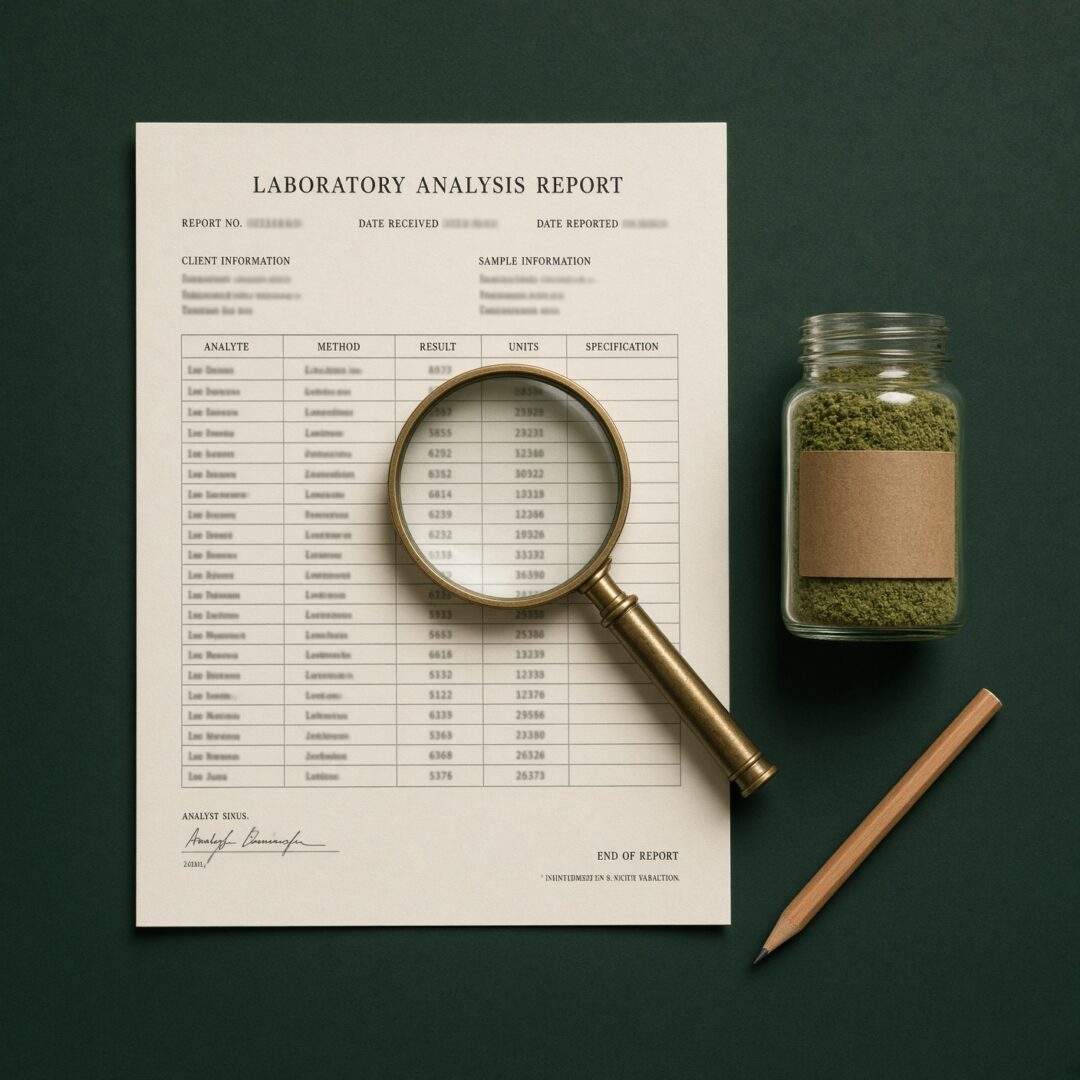
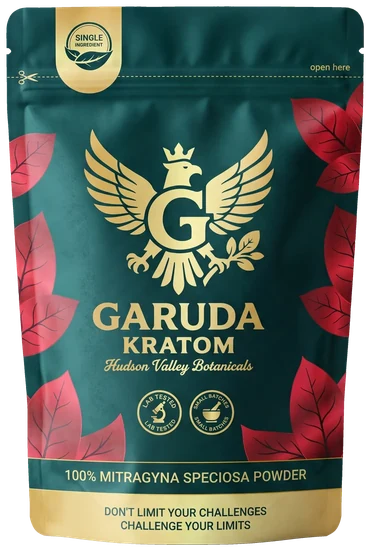


The single most useful question you can ask a kratom seller is a boring one: can I see the lab results for this batch? A Certificate of Analysis, or COA, is the document that answers it. It is the difference between trusting a label and verifying it. This guide explains what third-party testing checks for, how to read a COA, and why “third-party” is the word that matters most.
This article is about product quality and testing. It is not health advice, and kratom is not intended to diagnose, treat, cure, or prevent any condition.
Why “third-party” is the whole point
Testing only means something if the lab has no stake in the result. Third-party testing is performed by an independent, accredited laboratory with no financial relationship to the seller. In-house testing, where a company grades its own homework, does not carry the same weight. When you see a COA, the first thing to confirm is that it comes from a named, independent lab, not from the seller’s own bench.
What a good test screens for
Comprehensive third-party testing covers several categories, each addressing a real-world risk in the kratom supply chain:
- Heavy metals. Lead, mercury, arsenic, and cadmium, measured against strict thresholds. Kratom trees can take up metals from the soil they grow in, so this screen is essential.
- Microbial contamination. Total plate counts plus specific pathogens such as salmonella and E. coli. Contamination can enter during harvesting, drying, processing, or storage.
- Alkaloid content. Verification of mitragynine and 7-hydroxymitragynine levels, which confirms the product is genuine kratom and documents the chemistry of that specific lot.
- Adulterants and pesticides. Screening for agricultural chemicals and for anything added to the leaf that should not be there.
How to read a COA
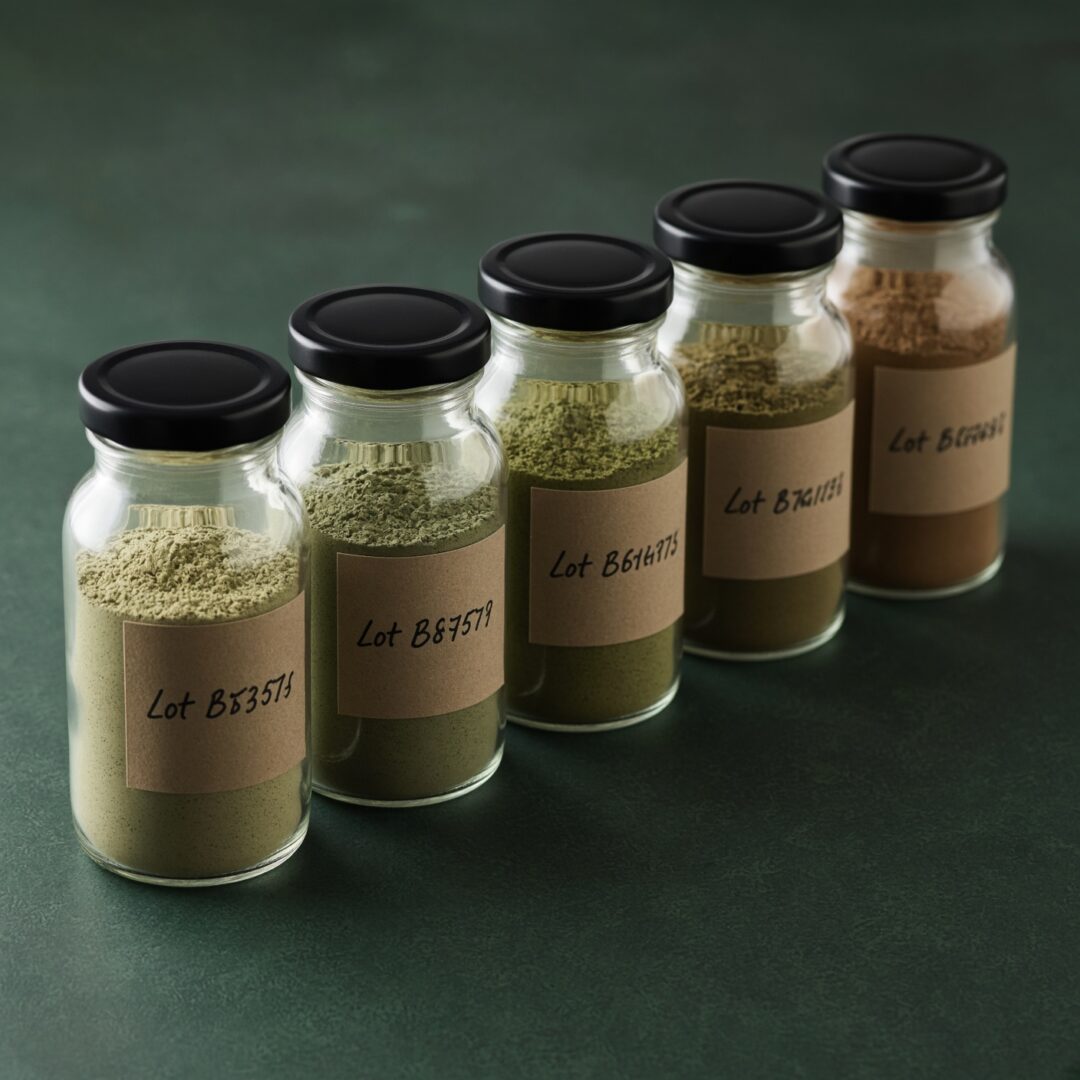
A legitimate Certificate of Analysis is specific, not generic. Look for the laboratory’s name and accreditation, the date of testing, and, crucially, the batch or lot number, which should match the number on the package you received. It should list quantitative results next to their acceptable limits. A COA that is undated, has no batch number, or is reused across many different products is a red flag rather than reassurance.
Fresh dates and matching numbers
Two quick checks catch most problems. First, is the test recent? A years-old COA tells you little about current inventory. Second, does the batch number on the certificate match the batch number on your bag? If a seller cannot connect the document to the product in your hand, the document is decorative. Genuine transparency means you can trace a specific package back to a specific test.
Where to see ours
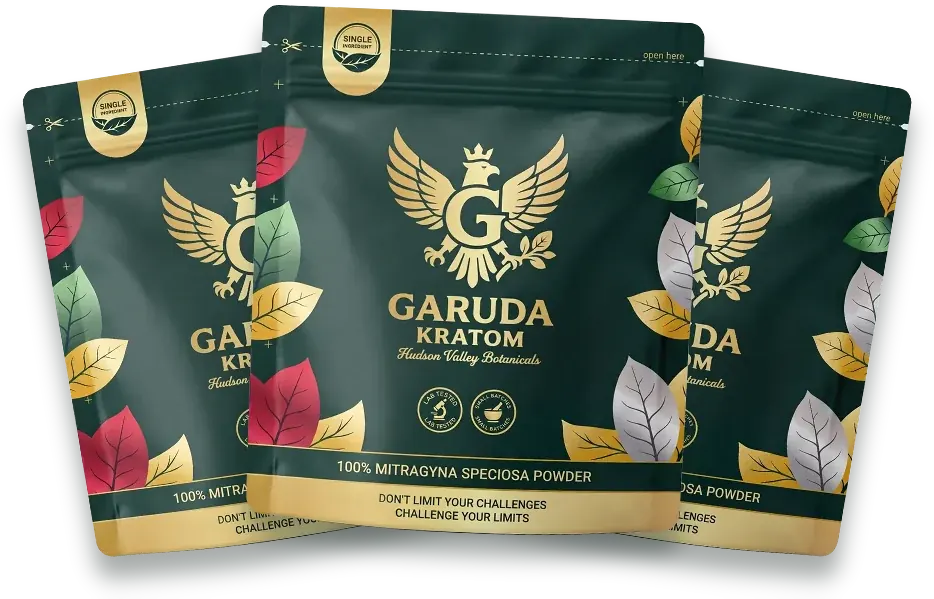
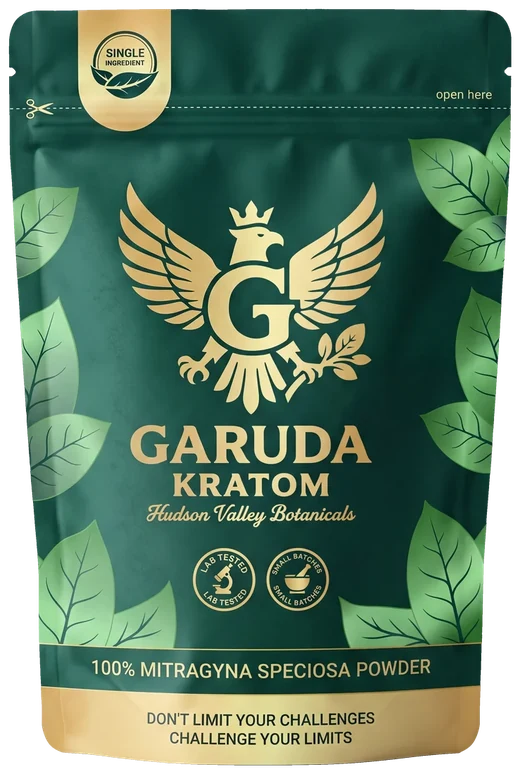
At Hudson Valley Botanicals, every batch is tested by an independent laboratory and its Certificate of Analysis is published and tied to its lot number, so you can match the paperwork to the product before and after you buy. If you cannot find the COA for a batch you received, let us know and we will point you to it.