
Two bags of the same strain, bought months apart, are not chemically identical, and no honest vendor will tell you they are. Kratom is an agricultural product, and its chemistry moves with the harvest. That variation is exactly why testing has to happen at the batch level rather than once per product name.
This article is educational background on agricultural variation and testing practice. It is not advice about any product, and kratom is not intended to diagnose, treat, cure, or prevent any condition.
Where the variation comes from
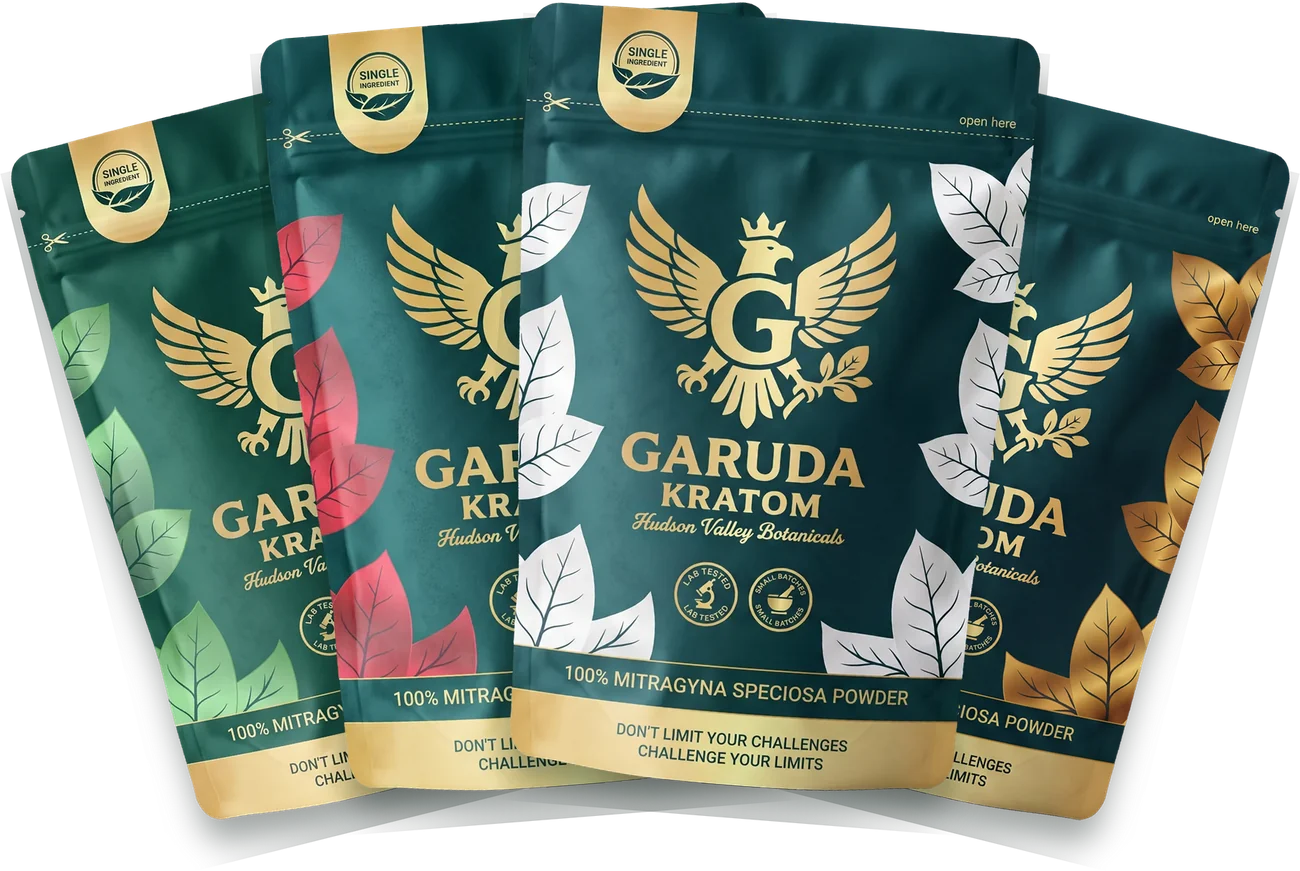
Alkaloid content in kratom leaf is shaped by the tree’s genetics, the soil, rainfall, leaf maturity at picking, and how the leaf was dried. Independent testing across many batches shows the primary alkaloid, mitragynine, commonly ranging from roughly one to two percent in natural leaf. Vein categories differ too: in our own testing history, red vein batches often measure lower mitragynine than white, green, or gold batches of comparable quality, which surprises people who assume darker means stronger on paper. The point is not which number is better. The point is that the number is a property of a specific harvest, not of a strain name.
What a batch actually is
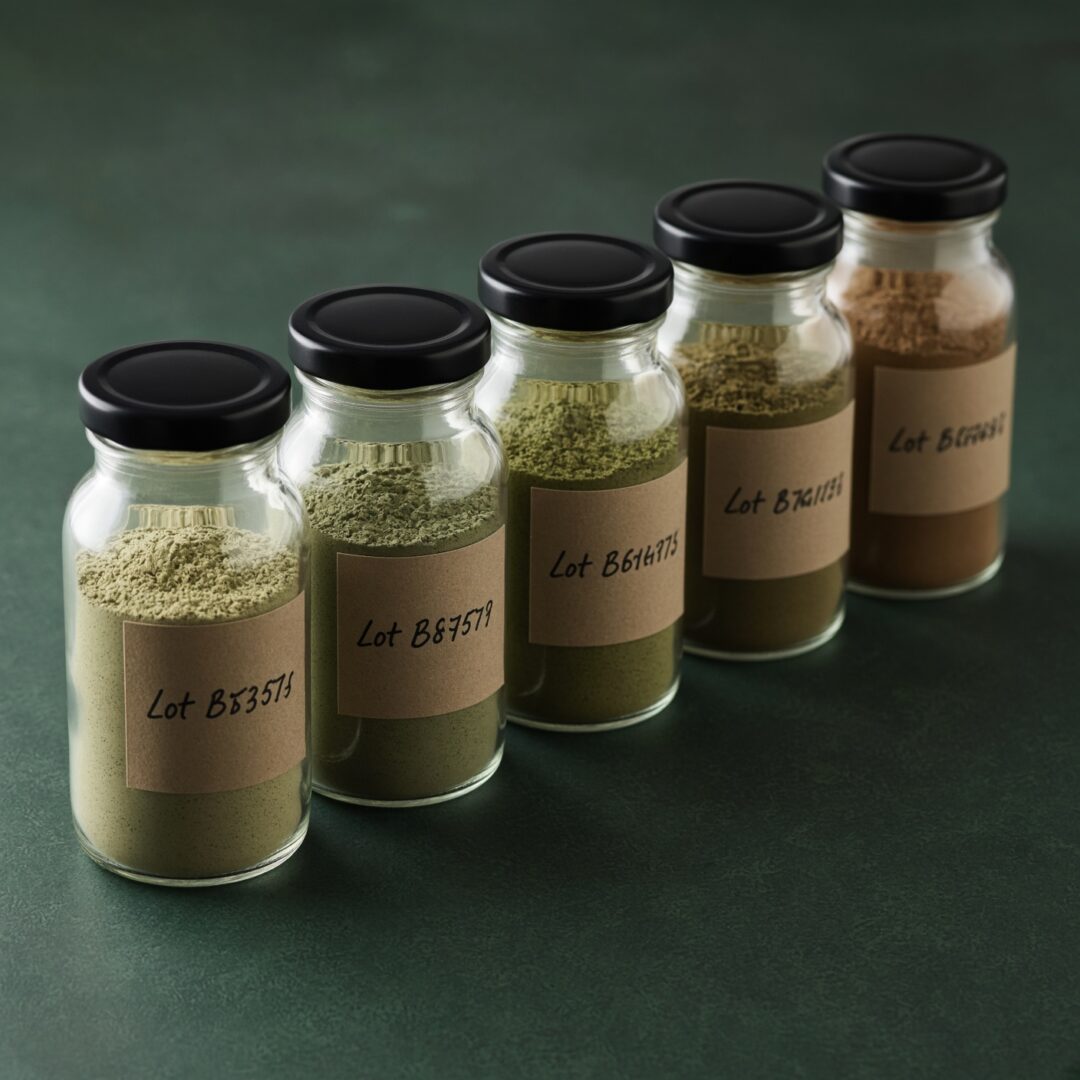
A batch, or lot, is a quantity of leaf processed together and treated as one unit for testing and tracking. Everything in the batch shares a lot code, and that code is what links the bag in your hand to a specific set of lab results. When a vendor’s stock rolls over to a new harvest, the lot code changes, and a new round of testing happens for the new batch.
Why once-a-year testing is not enough
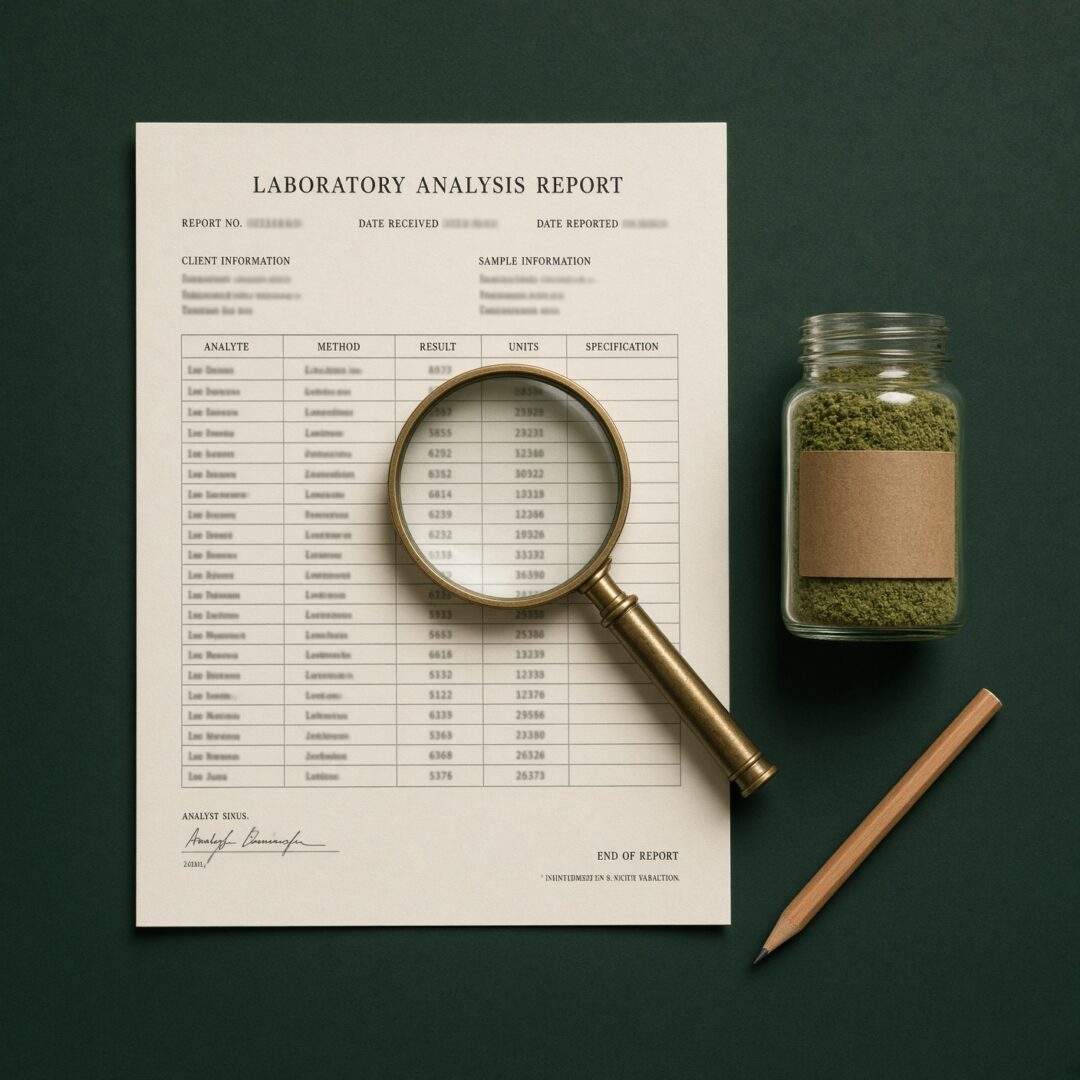
A COA from last year’s harvest tells you about last year’s leaf. Contamination risk works the same way: a metals or microbial result describes the tested lot, not the product name in general. This is why a single framed COA on a shop wall, with no lot number linking it to current inventory, is closer to decoration than documentation. Batch-level testing with published, matchable results is the standard that actually protects a buyer.
How we handle it
Every batch we stock gets its own independent lab workup before sale, and our COA dashboard shows the current batch for every strain, matched to the lot code printed on each bag. When a batch sells out and a new one arrives, the dashboard updates with the new results. If you ever find a mismatch between a bag and the dashboard, tell us, because that is exactly the kind of thing the system exists to catch.