

The Kratom Consumer Protection Act, Explained

The Kratom Consumer Protection Act, Explained

Legality & Regulation
August 10, 2026 2 min read

When kratom advocates talk about good kratom law, they usually mean a Kratom Consumer Protection Act, or KCPA. More than a dozen states have passed one. Instead of banning the plant, a KCPA regulates it: setting quality standards, labeling requirements, and age minimums so that consumers know what they are buying. Here is what these laws actually contain.

This article is educational information about legislation. It is not legal advice, and kratom is not intended to diagnose, treat, cure, or prevent any condition.

The core requirements

KCPA texts vary by state, but most share a common core. Vendors must not sell adulterated or contaminated kratom, with contamination usually defined by limits on heavy metals and pathogens. Products must be labeled with their ingredients and, in many versions, their mitragynine and 7-hydroxymitragynine content. Most KCPAs cap 7-hydroxymitragynine at a small percentage of total alkaloid content, which effectively draws a legal line between natural leaf and concentrated products. And nearly all set a minimum purchase age, commonly 18 or 21 depending on the state.

Registration and enforcement

Newer KCPAs often add vendor registration, requiring sellers to register with the state agriculture or health department, and give those agencies the power to fine vendors, embargo products, or revoke registrations. This moves kratom from an unregulated gray market toward the kind of oversight applied to other consumable goods.

Why consumers benefit

The practical effect of a KCPA is that cutting corners becomes illegal rather than merely unprofessional. Testing, clean handling, honest labels, and age checks stop being things only reputable vendors volunteer to do. States with KCPAs give consumers a complaint path with a real agency behind it, which matters when a bad product shows up on a shelf.

Where KCPAs stand now

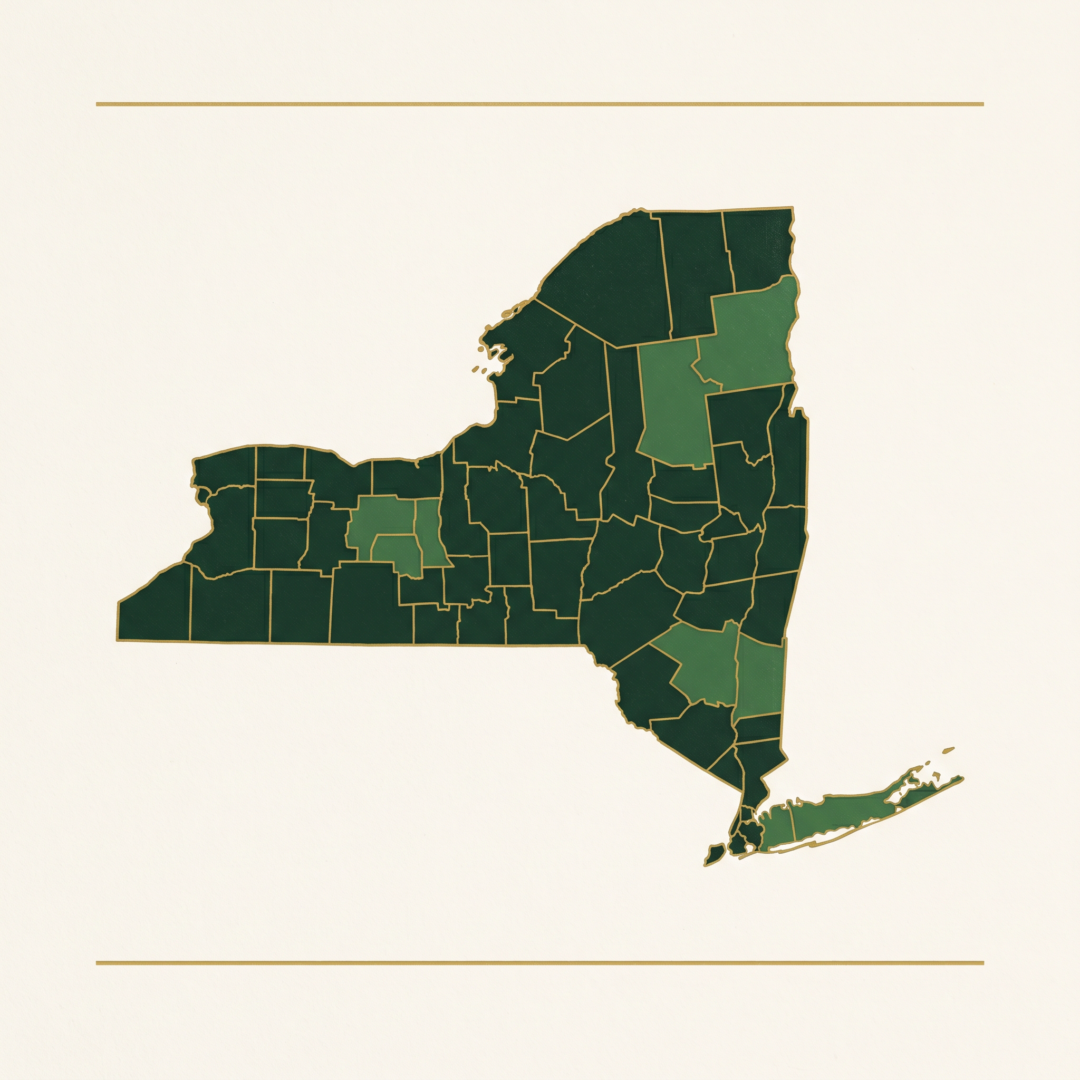
Utah passed the first KCPA in 2019, and states including Georgia, Arizona, Nevada, Oklahoma, Texas, Florida, and others have followed with their own versions. Which states currently have a KCPA, which have bans, and which remain unregulated changes year to year, so we keep the current status of all fifty states on our kratom legality map.

Our own practices already track the KCPA model: independent batch testing with published COAs, clear labeling, natural leaf only, and age verification where state rules require it. Regulation of this kind rewards the vendors doing things properly, which is why we support it.


Frequently asked questions

What is the Kratom Consumer Protection Act?

A KCPA is a state law that regulates kratom instead of banning it, typically requiring contaminant testing, honest labeling, alkaloid limits, and a minimum purchase age.

Which state passed the first KCPA?

Utah, in 2019. More than a dozen states have since passed their own versions.

Do KCPAs limit 7-OH?

Most versions cap 7-hydroxymitragynine at a small percentage of total alkaloids, which draws a legal line between natural leaf and concentrated products.

Share:
Stay in the Loop

No spam. Unsubscribe anytime. Prefer real-time? Join us on Discord.

HVB App

HVB App Available

Faster browsing, exclusive deals & push notifications

Open App

Welcome!

You must be 21+ to purchase Kratom products
You must be 18+ to purchase Botanicals products

I am I am not

Remember Me
Disclaimer: Kratom: FDA DISCLAIMER: The statements made regarding these products have not been evaluated by the Food and Drug Administration. The efficacy of these products has not been confirmed by FDA-approved research. These products are not intended to diagnose, treat, cure, or prevent any disease. KRATOM DISCLAIMER: “This product is not available for shipment to the following states: Alabama, Arkansas, Indiana, Wisconsin, Connecticut, Utah, Tennessee, Kansas, North Dakota, Massachusetts; or the following counties: Sarasota County (Florida), San Diego (California), Oceanside (California), Alton (Illinois), Jerseyville (Illinois), Edwardsville County (Illinois), Columbus (Mississippi), Union County (Mississippi), Ascension (Louisiana), Franklin (Louisiana), Rapides (Louisiana)”. Our products are not for use by or sale to persons under the age of 21. WAAVE ALSO RESPECTS COMPLIANCE IN THE FOLLOWING STATES AND COUNTIES: Vermont, Louisiana. Denver CO, Washington D.C., Newport Beach CA, Malheur County, Parker & Monument (CO), Grant Parish (LA), Franklin (NH) and several other counties in Mississippi. We do not ship internationally. ID verification is required for shipments to the following states: Florida, Virginia, West Virginia, Colorado, Oregon, South Dakota, Nebraska, Kentucky, Maryland, Tennessee, Mississippi, Georgia, Rhode Island. Enhanced Kratom cannot be shipped to Tennessee and Georgia. Kratom is NOT used to treat, cure, or mitigate any disease, illness, ailment, and/or condition. Please consult your doctor before consuming any new products. Kratom has not been tested on pregnant women. Please, see the FDA alert 54-15. We make no representations as to intended use or suitability for use. This product contains chemicals known to the state of California to cause cancer, birth defects, or reproductive harm. Specifically nickel, arsenic, and lead. For more information please visit p65warnings.ca.gov. We do not ship to military bases
- Botanicals: We respect federal state and city laws, our shipping restrictions are detailed below on the footer and they are automatically updated by WAAVE compliance FDA Disclaimer: The statements made regarding our products have not been evaluated by the Food and Drug Administration. The efficacy of these products has not been confirmed by FDA-approved research. We assume no responsibility for the improper use of our products. These products are not intended to diagnose, treat, cure or prevent any disease. All information presented here is not meant as a substitute for or alternative to information from health care practitioners. Please consult your health care professional about potential interactions or other possible complications before using any product. The Federal Food, Drug, and Cosmetic Act requires this notice. Merchants may not ship to military bases.
 

WAAVE Compliance