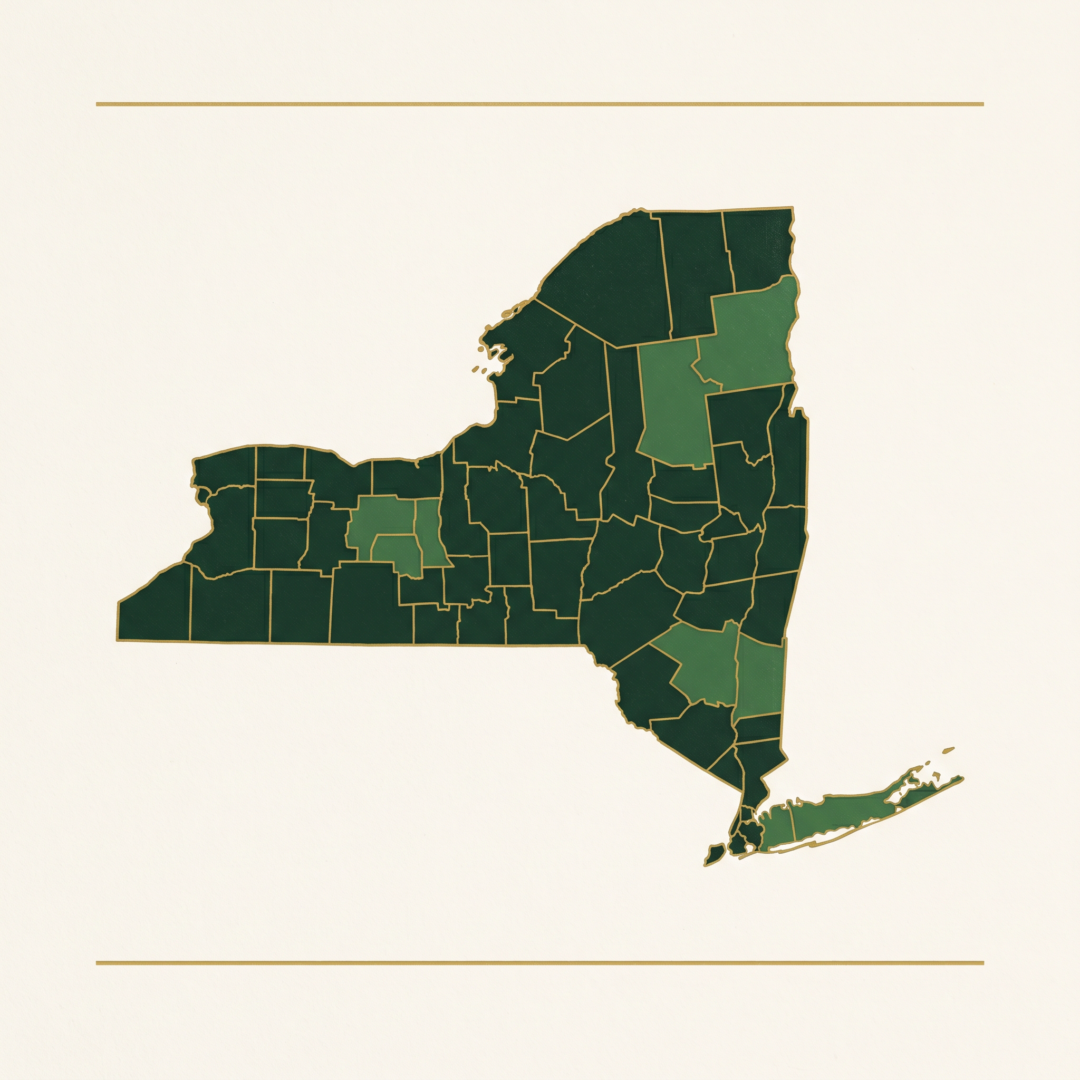



Most kratom rules that affect daily life are not written in Washington or even a state capitol. They are written by county legislatures and city councils, in public meetings that most residents never attend. If you want to know what is coming before it arrives, or have a say in it, it helps to understand how the process actually works.
This article is educational information about civic process. It is not legal advice, and kratom is not intended to diagnose, treat, cure, or prevent any condition.
The life of an ordinance
A local ordinance usually starts as a proposal from one or more legislators, often prompted by a constituent complaint, a news story, or action in a neighboring county. The proposal goes to a committee, such as a public safety or health committee, which discusses it, sometimes amends it, and votes on whether to send it to the full legislature. The full body then votes, often after a public comment period or hearing. If it passes, the ordinance takes effect on a stated date, sometimes immediately, often after 60 or 90 days. At any of these stages the text can change substantially, which is why early drafts should be read as drafts.
How to follow what your county is doing
County legislatures publish agendas, resolutions, and minutes on their websites, and most stream or record their meetings. Searching the county site for “kratom” surfaces proposals quickly. Watching the committee stage matters most, because that is where the details get decided, including whether a measure targets all kratom or only concentrated 7-OH products, a distinction that has shaped several recent New York proposals.
Participating constructively
Public comment is open to residents in nearly every county, in writing or in person, and legislators do read what arrives in their inboxes. Effective comments are short, respectful, and specific: who you are, what the proposal gets right or wrong, and what you are asking for. Factual points, such as the difference between natural leaf and concentrated products, or the existence of independent lab testing, tend to carry more weight than volume or repetition. National advocacy groups also track local measures and can tell you when something in your area is moving.
Why a vendor cares
We track this process across New York and beyond because our shipping rules have to match the law on the ground, county by county where necessary. The current picture is always on our legality page, and if a rule in your area changes, our checkout reflects it. Questions about a specific area? Ask us.