

Kratom (Mitragyna speciosa) reaches consumers in several different product formats, and understanding the differences helps you choose the option that best fits your preferences, routine, and storage situation. From finely milled powder to pre-filled capsules, crushed leaf, and concentrated extracts, each format is produced differently and carries its own practical considerations for handling, freshness, and label transparency. This guide walks through the most common kratom formats on the market and what to look for on the label regardless of which one you choose.
Loose Powder: The Most Common Format
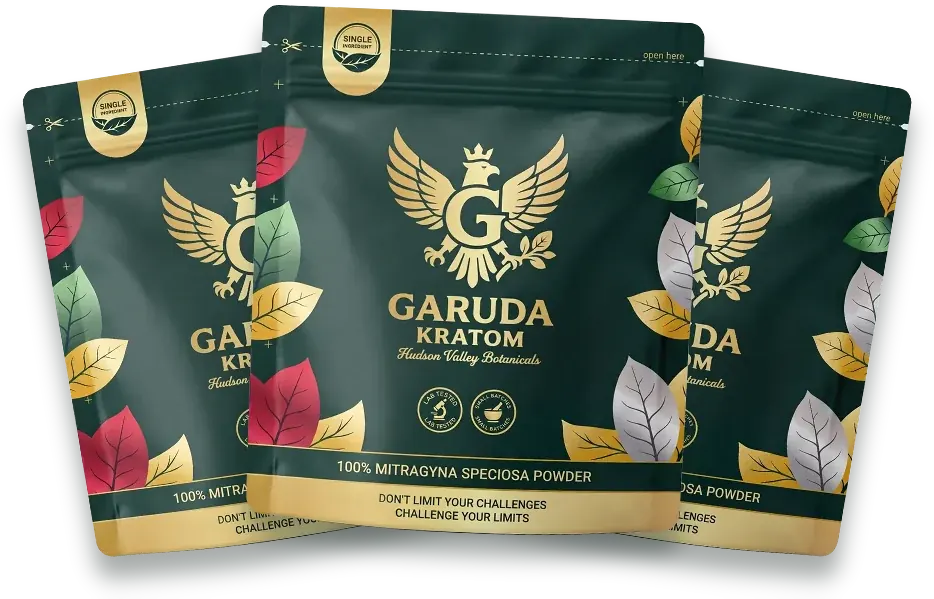
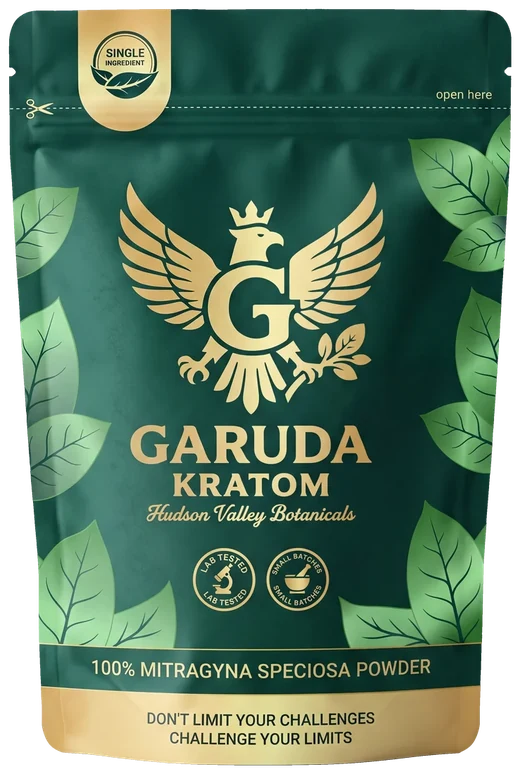
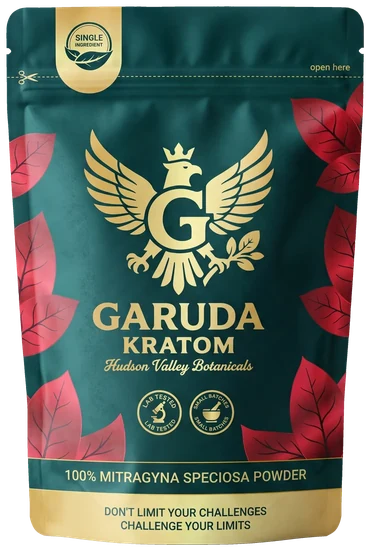
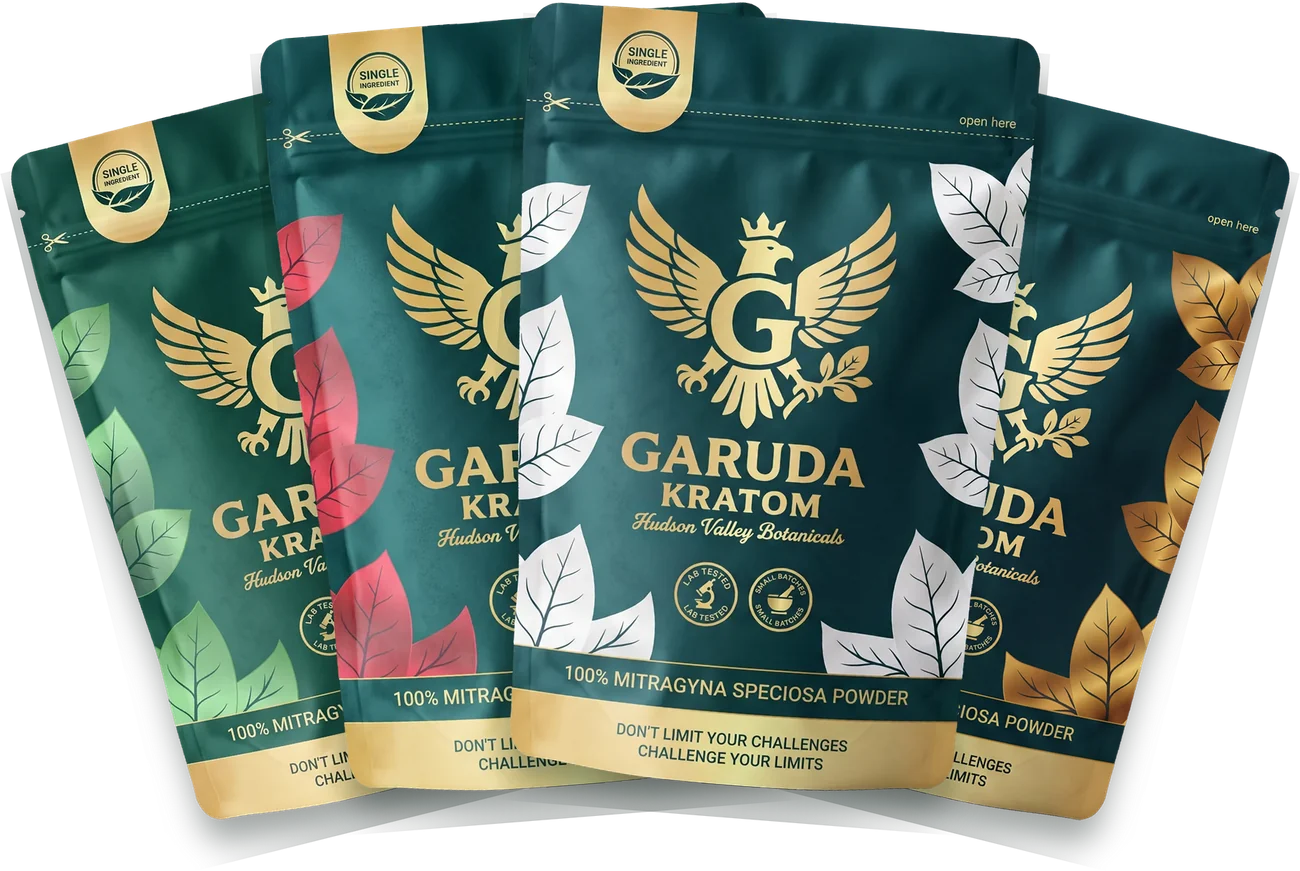
Finely ground kratom powder is the most widely available and versatile format on the market. It is produced by drying mature kratom leaves and milling them into a fine, consistent powder. Because it is minimally processed beyond drying and grinding, powder is often the format that most closely reflects the natural alkaloid composition of the leaf as documented on a batch Certificate of Analysis (COA).
Practical considerations for loose powder:
- Versatility: Powder can be measured on a scale and used in whatever preparation method a consumer prefers.
- Value: Because it involves the least additional processing, powder is typically the most economical format per gram.
- Storage: Powder has significant surface area exposed to air, so it benefits from an airtight, opaque container kept away from heat, light, and humidity. See our product selection for lab-tested powder options.
Capsules: Convenience and Consistency
Capsules contain pre-measured kratom powder inside a gelatin or vegetarian (HPMC) shell. They are popular among consumers who value convenience, portability, and the ability to avoid the naturally bitter, earthy taste of kratom powder.
- Portability: Sealed capsules are easy to carry and do not require a scale or additional preparation.
- Taste: The shell fully encloses the powder, so there is no direct exposure to kratom’s characteristic flavor.
- Shelf considerations: Each capsule is individually sealed, which can help protect the powder inside, though the capsules should still be kept in a cool, dry, sealed bottle. Gelatin capsules in particular can be sensitive to high humidity.
- Cost: Because capsules require additional processing and materials, they generally cost more per gram than loose powder.
Crushed Leaf: The Traditional Preparation
Crushed leaf kratom consists of coarsely broken, larger pieces of dried kratom leaf rather than a fine powder. This format is closest to how kratom leaf has traditionally been handled in Southeast Asia, where the leaf has been brewed as a tea for centuries.
- Traditional format: The coarser texture is well suited to steeping and straining, similar to loose-leaf tea.
- Texture: Because it is less finely ground than powder, crushed leaf has less surface area exposed to air, which some consumers feel supports freshness during storage.
- Availability: Crushed leaf is less common than powder or capsules but remains a favorite among those who appreciate a more traditional presentation.
Extracts and Concentrates: A Different Category
Kratom extracts are concentrated products made by processing kratom leaf to isolate and concentrate its alkaloids, typically expressed as a ratio (such as a “10x” designation) or as a standardized percentage. Extracts are a fundamentally different category from whole-leaf products and warrant extra attention.
- Concentration: Extracts contain a much higher concentration of alkaloids by weight than plain leaf powder, which is why they are sold and used very differently from whole leaf.
- Regulatory scrutiny: Concentrated and semi-synthetic kratom products, including some marketed around 7-hydroxymitragynine, have drawn increased attention from regulators. For background, see our article on 7-hydroxymitragynine and what consumers should know.
- Transparency matters more: With any concentrated product, a clear COA showing the alkaloid concentration and confirming the absence of contaminants is especially important.
Many consumers who value the whole-plant profile of traditional kratom prefer plain leaf powder or crushed leaf over concentrated extracts. Whichever category you consider, the same transparency standards apply.
What to Look For on Any Kratom Product
Regardless of format, the markers of a quality kratom product are the same:
- A batch-specific COA: Third-party lab results that confirm alkaloid content and screen for heavy metals, microbial contamination, and other adulterants. Review our published lab results.
- Clear labeling: Batch numbers, ingredient information, and contact details on the package.
- No health claims: Reputable vendors describe their products as botanical specimens and do not make medical or structure-function claims.
- Proper storage guidance: Any format keeps best in a cool, dark, airtight environment. Learn more in our guide to kratom storage and shelf life.
Choosing the Right Format for You
There is no single “best” kratom format. Powder offers versatility and value, capsules offer convenience and taste avoidance, crushed leaf offers a traditional presentation, and extracts are a distinct concentrated category that calls for extra caution and transparency. Your choice comes down to your routine, your storage situation, and your personal preferences.
At Hudson Valley Botanicals, every format we carry is third-party lab tested with publicly available COAs, clearly labeled, and sold without health claims. Browse our full product selection, explore the different kratom types, or reach out with any questions about our products and testing.