Selling kratom by the rules.
Kratom law is written state by state and, more and more, county by county. This is a plain checklist for shops that stock natural leaf kratom or are thinking about it: where you can sell, who you can sell to, what the package and paperwork should show, and what to keep off the counter. It links to our live legality pages for anything that changes.
Eight things to get right before you stock it.
-
Confirm it is legal where your store is
Kratom is legal in most states, but a few ban it outright and a growing number of counties and cities restrict it on their own. Check your state first, then your county and city. A local ordinance or county health order can apply even when state law allows sales.
-
Know your state's consumer protection act
Many states regulate kratom through a Kratom Consumer Protection Act. The details differ by state, but these acts commonly set a minimum purchase age, ban adulterated products and synthetic alkaloids, cap 7-OH as a share of total alkaloids, set labeling rules, and in some states require product registration. Read the act for your state, not a summary of someone else's.
-
Check ID at the counter
The minimum purchase age is 18 in some states and 21 in others, and some counties set their own. Card every buyer who could be under the limit, and follow your state's rule for how the check is recorded.
-
Keep concentrated 7-OH products off the shelf
Regulators have moved against concentrated and semi-synthetic 7-hydroxymitragynine (7-OH) products, which are a different category from natural leaf, and several states and counties now restrict them specifically. Know which products you stock contain added or concentrated 7-OH, and check your state's current position before carrying them.
-
Stock only product with a batch lab report
Every lot you sell should trace to an independent lab report, from an ISO 17025 accredited lab, that matches the batch number on the package and covers alkaloid content, heavy metals, microbials, and pesticides. If a supplier cannot hand you the report for the exact lot, do not stock it.
-
Check the label before it goes on the shelf
Confirm the package carries what your state requires. Depending on the state, that can include the manufacturer or distributor name and address, net weight, alkaloid content, a batch number, and required warning statements. A missing element is easier to fix before the product is on display than after an inspection.
-
Watch what you and your staff say
Kratom is not an approved dietary supplement or drug. Under FDA rules, a claim that a product treats, cures, relieves, or prevents anything makes it an unapproved drug, and that applies to counter conversations, shelf talkers, signs, and social posts, not only the package. Describe the product by what it is: the strain, the region, the vein color, and the lab report.
-
Keep records
Keep invoices, the lab report for every lot, and a note of any recall or supplier notice. If an inspector or customer asks where a package came from, you should be able to show the batch number, the report, and the supplier within minutes.
If you are looking for a supplier.
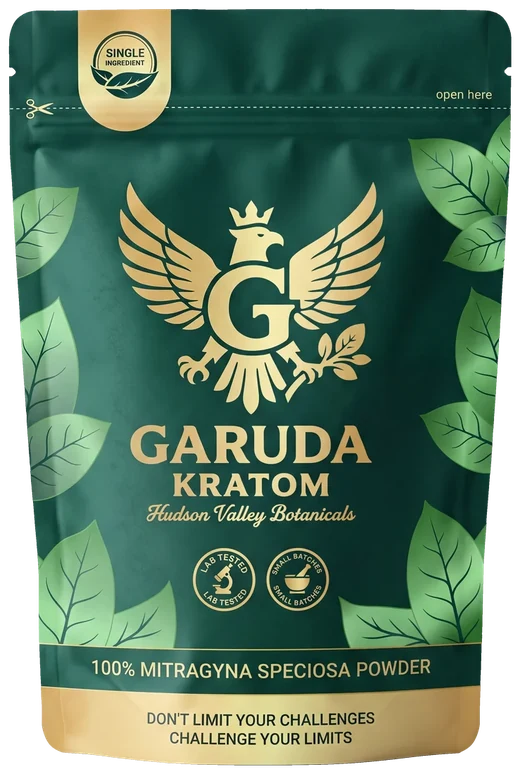
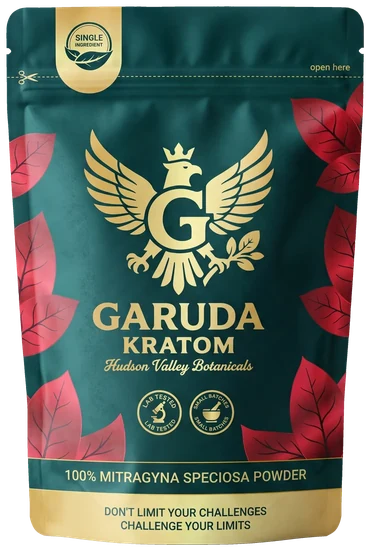
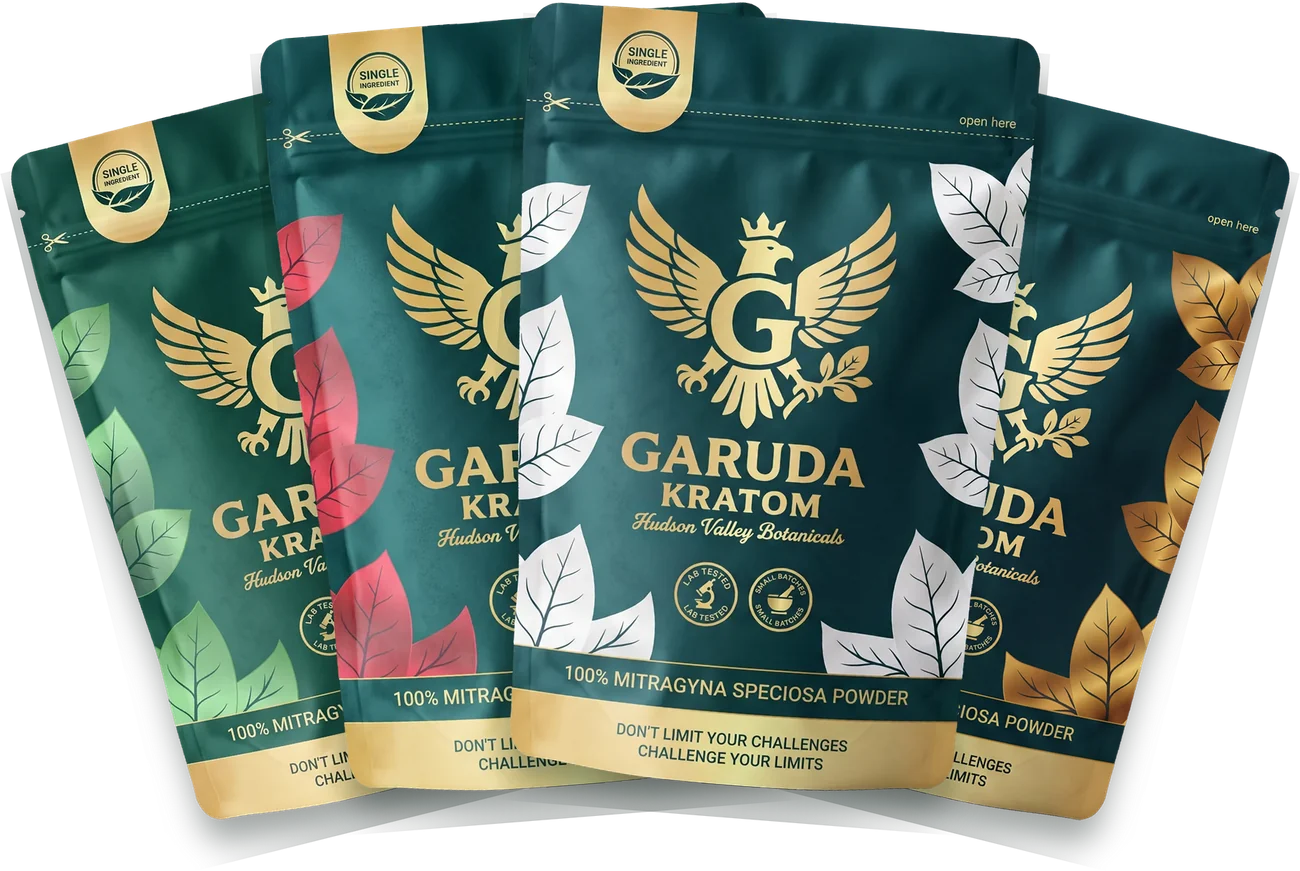
Our wholesale line is natural leaf kratom packed in 250g pouches. Every pouch is printed with its batch number, and that number pulls up the lot's full independent lab report in our public COA archive, so the paperwork in step five is already published. We sell natural leaf only, with no extracts and no concentrated or semi-synthetic 7-OH products. Current terms are on the wholesale page.
Common questions, answered straight.
Do I need a license to sell kratom?
It depends on where your store is. Some states require kratom products to be registered, and some cities and counties license or restrict retail sales. Others have no kratom-specific license at all. Check with your state and your local government before you stock it.
What is the minimum age to buy kratom?
It is set by state law and sometimes by county: 18 in some states and 21 in others. Where no age is set, many retailers apply 21 as a store policy.
Is natural leaf kratom the same as 7-OH?
No. 7-hydroxymitragynine occurs naturally in the leaf only in trace amounts. Concentrated and semi-synthetic 7-OH products are a separate category that regulators are restricting, and some rules target them while leaving natural leaf alone.
What should a supplier give me with each order?
An invoice, and a lab report for every lot that matches the batch number printed on the packages. The report should come from an independent ISO 17025 accredited lab and cover alkaloids, heavy metals, microbials, and pesticides.
This guide is general information for retailers, not legal advice. Kratom laws differ by state, county, and city and change often; confirm the rules that apply to your store with your state and local government or a lawyer. Kratom products are not intended to diagnose, treat, cure, or prevent any disease. These statements have not been evaluated by the FDA.