Red Bali vs Gold Bali.
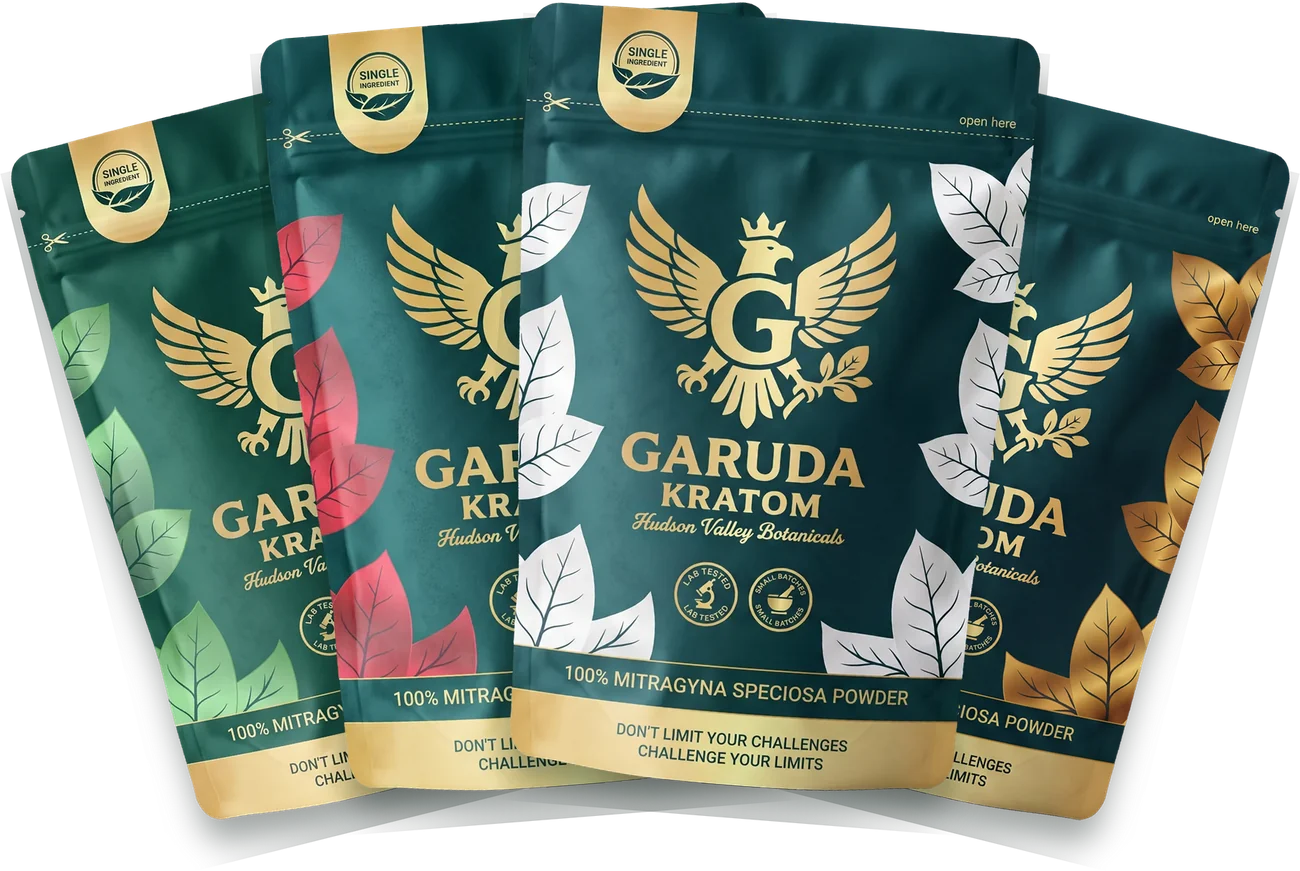
Red Bali and Gold Bali start as the same leaf: fully mature, Borneo-grown, Bali-route red vein. Gold Bali then takes one extra step, a brief fermentation before drying, which changes the alkaloid ratio and turns the powder a distinctive copper-gold.
The comparison, fact by fact.
| Aspect | Red Bali Kratom | Gold Bali Kratom |
|---|---|---|
| Base leaf | Mature red vein, Bali-route Borneo leaf | The same mature red vein leaf |
| Processing | Straight long red dry | Brief bagged fermentation, then the dry |
| What changes | Nothing added; the classic red process | The ferment shifts the alkaloid ratio and darkens the finish |
| Typical mitragynine* | 0.7% to 1.1% (red vein range) | 1.4% to 1.9% (gold vein range) |
| Appearance and aroma | Deep reddish-brown powder, rich woody aroma | Copper-tinted powder with distinct fermented aroma notes |
| Availability | A permanent staple of the line | Specialty process, smaller production runs |
*Typical mitragynine ranges reflect lab results across Garuda batches of each vein type; every pouch ships with a batch-specific COA, and results vary by harvest, region, and season.
So which one, and why?
One leaf, two processes. The ferment is the entire difference, and it shows up in both the color and the lab numbers. If you want to see process change chemistry, compare these two strains' COAs side by side in the archive.
This comparison covers origin, processing, and lab-tested specifications only and is not medical advice. Kratom products are not intended to diagnose, treat, cure, or prevent any disease. These statements have not been evaluated by the FDA.