Green vein · Indonesia
Super Maeng Da Kratom,documented.
Super Maeng Da is a green vein kratom powder combining two trade designations: the Maeng Da selection standard and the "super" leaf grade, meaning larger mature leaves with a higher leaf-to-stem ratio in the grind.
In stockLot SMD4626 on the shelf, tested Aug 24, 2026
Garuda strain archiveNo. 08 of 17
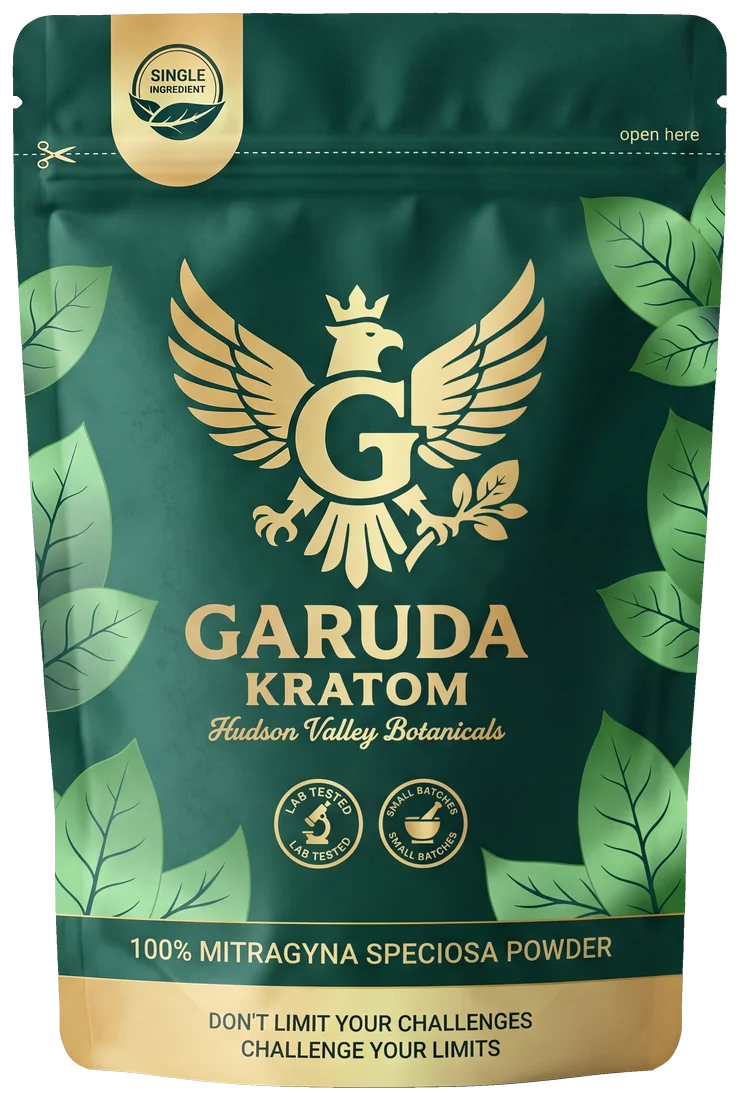
- Vein
- Green vein
- Grown in
- Indonesia
- Mitragynine on file
- 1.238% to 1.45%
- Forms
- Powder
- Testing
- Every batch, ISO 17025 lab, public COA
Mitragyna speciosaFigures from its certificates
Origin and processing
Where does Super Maeng Da come from?
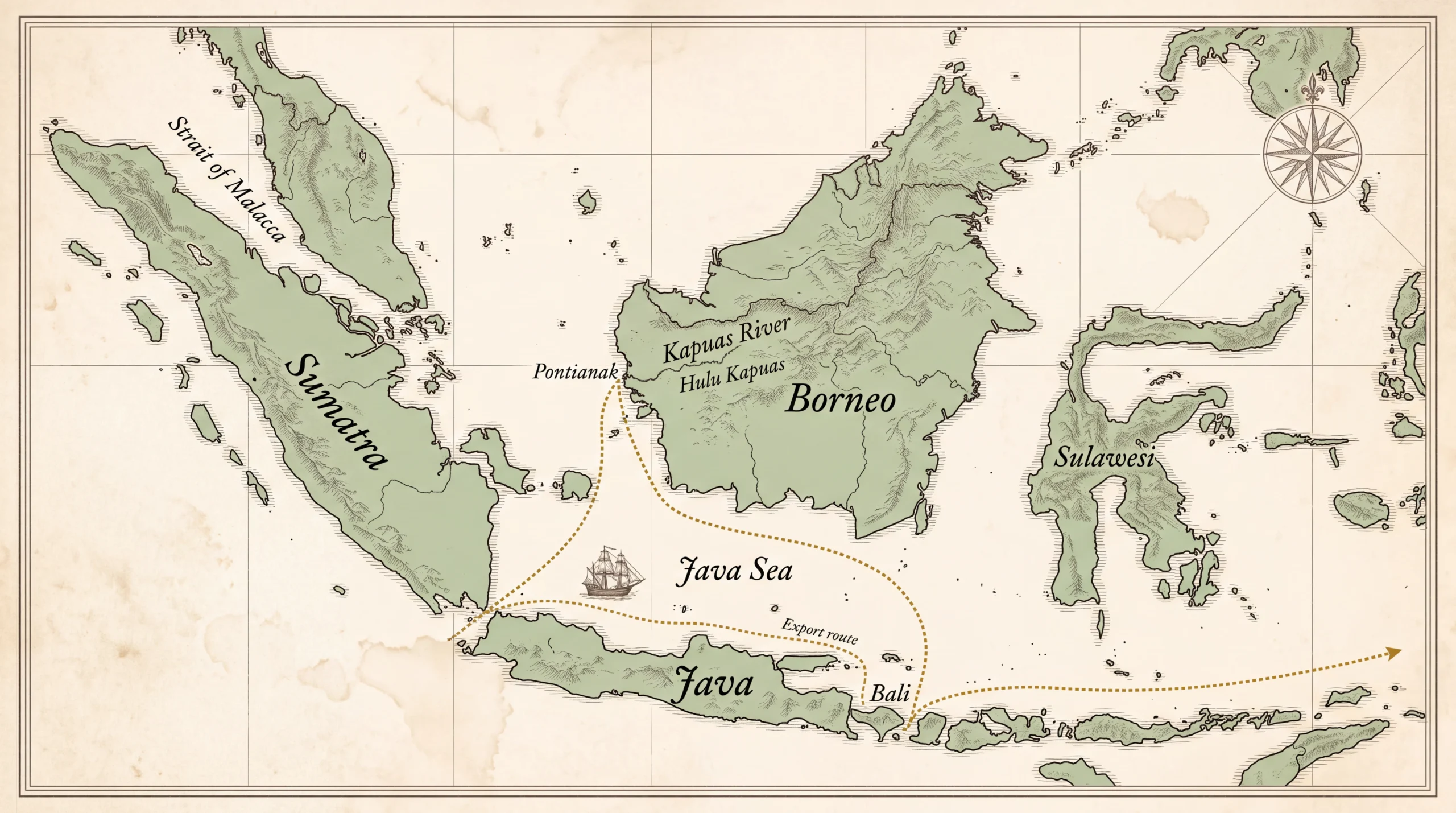
Grown in Indonesia. Grower-selected trees supply the leaf; pickers take the larger leaves for the super grade, and the lot gets a balanced green-style dry before deveining and a fine mill.
Vein color, at a glance
The vein names describe how mature the leaf was at picking and how it was processed. Super Maeng Da is green vein.
White vein
- Leaf
- Young leaf, early in the growth cycle
- Dry
- Short indoor dry, minimal light
- Mitragynine on file
- 1.28% to 1.49%
This strain
Green vein
- Leaf
- Mid-maturity leaf
- Dry
- Part indoors, part outdoors
- Mitragynine on file
- 1.218% to 1.52%
Red vein
- Leaf
- Fully mature leaf, deep red central vein
- Dry
- Longest dry, often sun-finished
- Mitragynine on file
- 0.7014% to 1.08%
Gold vein
- Leaf
- Fully mature red leaf
- Dry
- A brief ferment, then the dry
- Mitragynine on file
- No lot on file
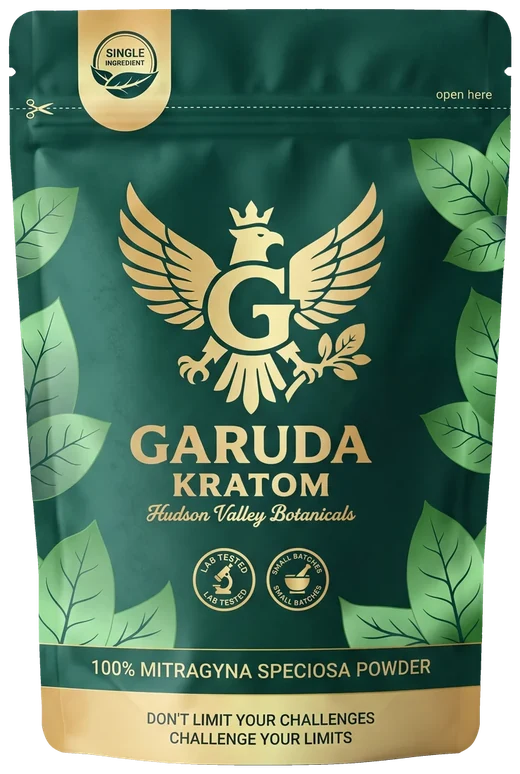
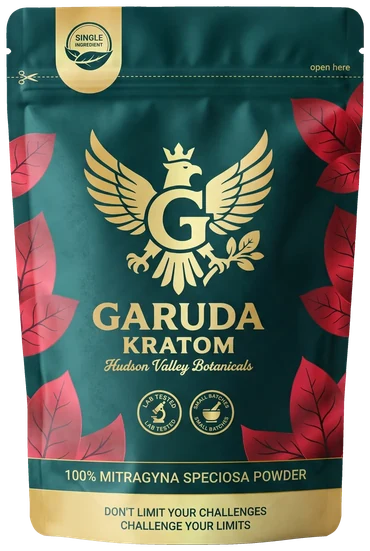
A dense, consistent green with a rich mid-tone color. Every batch lab tested.
Lab results
What do the lab numbers look like?
Every batch of Super Maeng Da Kratom is tested by an independent ISO 17025 accredited laboratory before it is packaged: alkaloid profile (mitragynine and 7-hydroxymitragynine), heavy metals and microbials, plus a pesticide screen on capsule lots. Across the 8 green vein lots on file, mitragynine measured 1.218% to 1.52%. The exact number for any pouch is on its batch COA.
Mitragynine by lot, against each vein’s lots on file
Earlier lotLatest lot
| Batch | Format | Tested | Mitragynine | 7-OH | Lead | Certificate |
|---|---|---|---|---|---|---|
| SMD4626On the shelf | Powder | Aug 24, 2026 | 1.45% | 15 ppm | 0.693 µg/g | Certificate for SMD4626 |
| SMD11425 | Powder | Nov 14, 2025 | 1.238% | 10 ppm | 0.519 µg/g | Certificate for SMD11425 |
7-OH is shown in parts per million (10,000 ppm is 1%). Lead is in micrograms per gram, as the lab reports it.
Shop this strain
Take home the leaf this page describes.
Batch number and alkaloid percentage printed on every pouch. Free shipping on orders over $75; orders before 11am ET ship the same business day.
Super Maeng Da questions
Common questions, answered straight.
The short answers. Lab figures come straight from each lot’s certificate.
Strain names describe where the leaf grew and how it was picked and dried. Lab figures describe tested lots, not every pouch. This page is botanical and lab-testing information, not medical advice.
Spotted something out of date? Tell us and we’ll review it.
What is Super Maeng Da Kratom?
Super Maeng Da is a green vein kratom powder combining two trade designations: the Maeng Da selection standard and the "super" leaf grade, meaning larger mature leaves with a higher leaf-to-stem ratio in the grind.
Where does Super Maeng Da Kratom come from?
Super Maeng Da Kratom is Indonesian kratom. Strain names are trade names, so the name describes a style rather than a farm: Mid-maturity leaves, the middle point of the harvest cycle. The lab report for each batch, searchable by the number on the pouch, shows what is in it.
How much mitragynine is in Super Maeng Da Kratom?
Across the 8 green vein lots on file, mitragynine measured 1.218% to 1.52%. The 2 Super Maeng Da powder lots on file tested 1.238% to 1.45%. The exact number for any pouch is on its batch COA.
How do I verify the batch in my pouch?
Every pouch of Super Maeng Da Kratom carries a printed batch number. Enter it in our public COA archive at hudsonvalleybotanicals.com/coas/ to see that exact lot's independent ISO 17025 lab report: alkaloids, heavy metals and microbials, plus pesticides on capsule lots.