
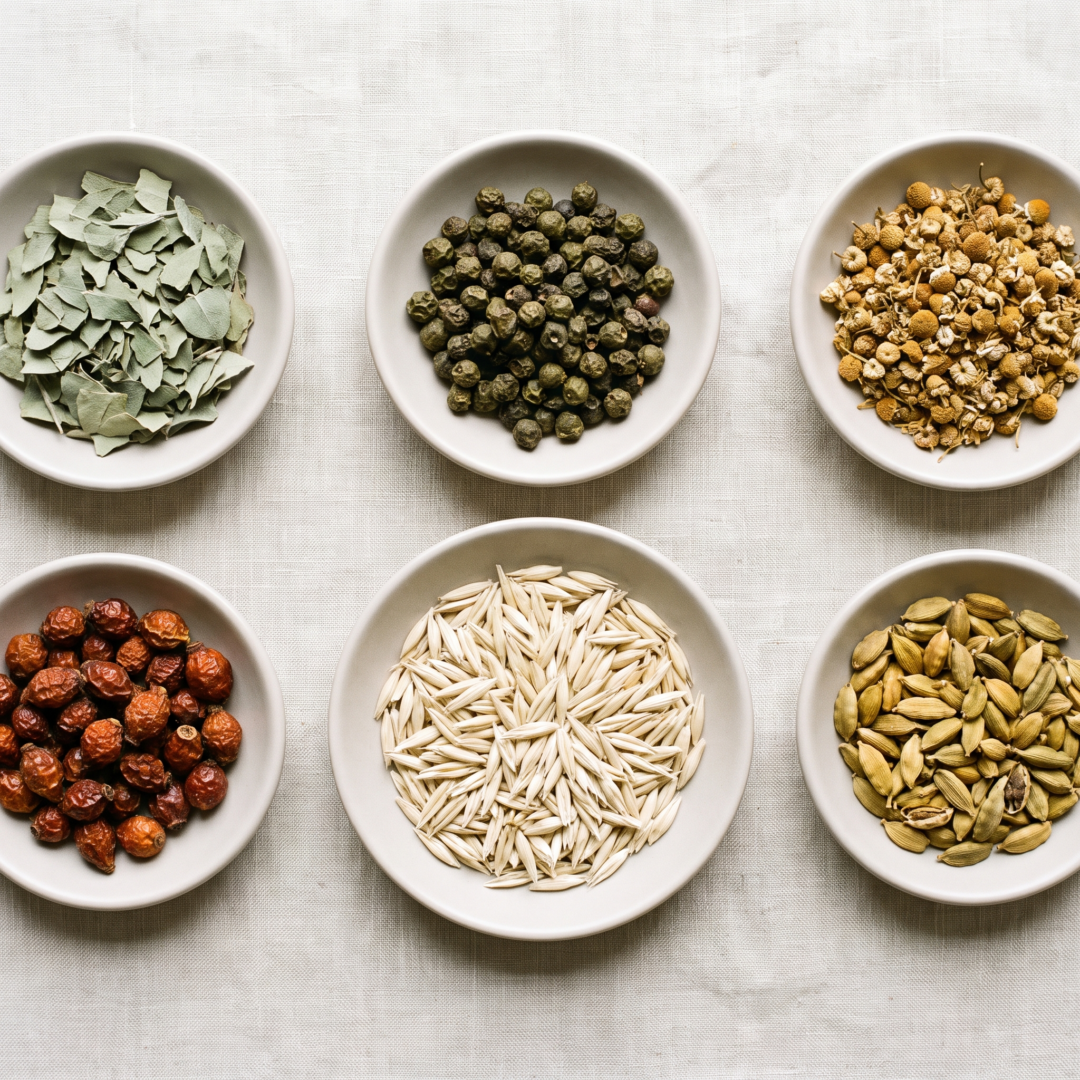
The botanical supplement industry in the United States is massive, generating over $12 billion in annual sales and encompassing thousands of products from familiar herbs like echinacea and turmeric to more specialized botanicals like ashwagandha and kava. Within this crowded market, kratom (Mitragyna speciosa) occupies a distinctive position—one that sets it apart from other botanicals in terms of its chemistry, its history, its regulatory status, and the passionate community that surrounds it. This article examines how kratom compares to other popular botanical supplements and what makes it truly unique.
Kratom’s Botanical Family: The Coffee Connection
One of the first things that surprises many people about kratom is its botanical lineage. Kratom belongs to the Rubiaceae family, the same plant family as coffee (Coffea arabica and Coffea robusta). This makes kratom and coffee botanical relatives—distant cousins on the plant family tree.
However, the similarities between kratom and coffee are largely botanical rather than chemical. While both plants produce alkaloids, their alkaloid profiles are entirely different. Coffee’s primary active compound is caffeine (a xanthine alkaloid), while kratom’s primary alkaloids are mitragynine and 7-hydroxymitragynine (indole alkaloids). The traditional uses of the two plants do share some parallels though—both have historically been used as daytime botanicals in their regions of origin.
Kratom vs. Kava: Two Pacific Traditions
Kava (Piper methysticum) is perhaps the botanical most frequently compared to kratom, though the two plants are unrelated botanically (kava belongs to the pepper family, Piperaceae). Here is how they compare:
Origins and Tradition
- Kratom: Native to Southeast Asia (Indonesia, Thailand, Malaysia, Myanmar), with centuries of traditional use primarily among laborers and in folk medicine traditions.
- Kava: Native to the South Pacific islands (Fiji, Vanuatu, Tonga, Samoa, Hawaii), with thousands of years of ceremonial and social use. Kava ceremonies remain central to Pacific Islander culture.
Active Compounds
- Kratom: Contains 40+ alkaloids, primarily indole alkaloids (mitragynine, 7-OH, paynantheine, etc.) that interact with multiple receptor systems.
- Kava: Contains kavalactones (kavain, dihydrokavain, methysticin, etc.) that interact primarily with GABA receptors and sodium/calcium ion channels. The pharmacology is fundamentally different from kratom’s.
Regulatory Status
- Kratom: Federally legal but not FDA-approved. Subject to ongoing regulatory scrutiny and state-by-state variation in legal status.
- Kava: Generally recognized as a dietary supplement in the U.S. Has faced its own regulatory challenges, particularly in Europe where some countries restricted kava due to concerns about liver effects (many of which were later attributed to improper preparation using non-traditional plant parts).
Kratom vs. CBD: The Regulatory Comparison
CBD (cannabidiol) derived from hemp offers an interesting regulatory parallel to kratom. Both are plant-derived compounds that have generated massive consumer interest and regulatory controversy:
- Legal landscape: CBD’s regulatory path was transformed by the 2018 Farm Bill, which legalized hemp cultivation and hemp-derived products (including CBD) at the federal level while leaving the FDA to develop specific regulations for CBD in food and supplements. Kratom has not received analogous federal legislation, though the proposed federal KCPA would serve a similar function.
- FDA position: The FDA has taken enforcement actions against both CBD and kratom companies making unauthorized health claims. However, the regulatory frameworks are evolving differently—CBD has moved closer to mainstream acceptance while kratom continues to face scheduling threats.
- Industry standards: Both industries have developed voluntary quality standards in the absence of clear federal regulation. The kratom industry’s AKA GMP program and the CBD industry’s various certification programs reflect similar strategies for building consumer trust through self-regulation.
Kratom vs. Turmeric and Ashwagandha: Complexity of Chemistry
Popular botanical supplements like turmeric (curcumin) and ashwagandha (withanolides) are typically valued for one or a few key active compounds. Kratom stands out for the sheer complexity of its alkaloid profile:
- Turmeric: The primary active compound is curcumin, supported by related curcuminoids. While turmeric contains other compounds, the focus is largely on curcumin.
- Ashwagandha: Active compounds are withanolides, a group of steroidal lactones. Products are typically standardized to withanolide content.
- Kratom: Contains 40+ identified alkaloids with diverse pharmacological profiles, including both receptor agonists and antagonists. This complexity makes kratom significantly harder to study and standardize but also potentially explains the diverse range of anecdotal experiences reported by users.
What Makes Kratom Truly Unique
Several characteristics distinguish kratom from the broader botanical supplement market:
1. Chemical Complexity
With over 40 alkaloids interacting across multiple receptor systems, kratom has one of the most complex pharmacological profiles of any commonly used botanical. This complexity is both a strength (contributing to the “entourage effect”) and a challenge (making scientific study and standardization more difficult).
2. Dose-Dependent Variability
Anecdotal reports from kratom users frequently describe dose-dependent variability in their experience. Users commonly report that smaller servings produce different subjective effects than larger servings. While this dose-dependent variability is not unique to kratom (coffee, for example, can be either mildly energizing or anxiety-inducing depending on the amount consumed), the breadth of reported variability across dose ranges is distinctive among botanicals.
3. Strain Diversity
The kratom market offers remarkable variety. Between the three primary vein colors (red, green, white), specialty varieties (yellow, gold), and numerous regional origins (Bali, Borneo, Maeng Da, Malay, Thai, Indo, Sumatra, and more), consumers have access to dozens of distinct product options—far more variety than most botanical supplements offer. Explore the full range at our products page.
4. Community and Advocacy
Kratom has one of the most passionate and organized consumer communities of any botanical supplement. The grassroots mobilization that reversed the 2016 DEA scheduling attempt, the ongoing KCPA legislative campaigns, and the active online communities dedicated to kratom education and advocacy are unmatched in the broader supplement market. This community engagement reflects the depth of commitment consumers feel toward this botanical.
5. Regulatory Spotlight
Few botanical supplements have faced the level of regulatory scrutiny that kratom has endured. The ongoing FDA campaign, scheduling threats, import alerts, and state-level legislative battles make kratom’s regulatory environment uniquely complex. This scrutiny has, paradoxically, driven the kratom industry to adopt some of the most rigorous self-regulatory standards in the supplement market, including the AKA’s GMP program.
6. Cultural Heritage
While many popular supplements are relatively modern inventions (fish oil supplements, for example, date to the mid-20th century), kratom has centuries of documented traditional use in Southeast Asian cultures. This deep cultural heritage provides historical context that informs modern understanding and use.
Quality Standards Across Botanical Markets
The question of quality standards applies across all botanical supplements, but kratom’s unique regulatory position has led to some distinctive approaches:
- Third-party testing: While third-party testing is available for all supplements, the kratom industry’s emphasis on publishing Certificates of Analysis is more widespread and consumer-facing than in many other supplement categories.
- Industry-specific GMP: The AKA’s GMP program is unusual in that it was created specifically for one botanical by a consumer advocacy organization, rather than being imposed by regulators or adapted from general supplement manufacturing standards.
- Consumer education: The kratom community’s emphasis on consumer education—understanding strains, alkaloids, sourcing, preparation methods, and responsible use—exceeds what is typical for most botanical supplements.
Making Informed Choices in a Complex Market
Whether you use kratom, kava, CBD, ashwagandha, turmeric, or any combination of botanical supplements, the principles of informed purchasing remain the same:
- Research the product: Understand what you are taking, how it works, and what the science says.
- Verify quality: Look for third-party testing, GMP compliance, and transparent labeling.
- Buy from reputable sources: Choose vendors with established track records, verifiable quality standards, and responsive customer service.
- Stay informed on regulations: The legal and regulatory landscape for botanical supplements is evolving. Know the rules that apply to the products you use.
At Hudson Valley Botanicals, we are proud to offer kratom products that meet the highest quality standards in the industry. Browse our selection, check our lab results, and contact us if you have any questions about how kratom compares to other botanicals or which products might be right for you.
These statements have not been evaluated by the Food and Drug Administration. This product is not intended to diagnose, treat, cure, or prevent any disease.