
Every bag of kratom powder you purchase has traveled thousands of miles and passed through numerous hands before reaching your door. Understanding the journey from a towering tropical tree in a Southeast Asian rainforest to the finished product on your shelf provides valuable insight into what makes quality kratom—and why sourcing, processing, and vendor selection matter so much. This article takes you through the complete kratom supply chain, from harvest to delivery, so you can appreciate the craftsmanship behind every batch and make better-informed purchasing decisions.
Where Kratom Grows: The Origin Regions
Indonesia is by far the world’s largest kratom-producing nation, responsible for the vast majority of kratom exported to the United States and other Western markets. The primary growing regions include:
- West Kalimantan (Indonesian Borneo): The largest kratom-producing region, centered around the Kapuas Hulu regency. The deep jungle environment, fed by the Kapuas River system, provides ideal growing conditions. An estimated 50,000 or more farmers in this region participate in kratom harvesting.
- Central Kalimantan: Another major Borneo growing region with distinct soil compositions and microclimates that produce kratom with different alkaloid profiles.
- Sumatra: The volcanic soils of Sumatra contribute unique mineral content to kratom grown on this island, which is why Sumatran strains are often noted for their distinctive character.
- Papua and Sulawesi: Smaller production regions that contribute to the diversity of Indonesian kratom offerings.
Kratom trees thrive in specific conditions: tropical temperatures between 75–95°F, humidity above 70%, rich, well-drained soil, and consistent rainfall. These conditions exist in a relatively narrow band of tropical terrain, which is why kratom cultivation has not successfully expanded to most temperate regions.
The Harvest: Selecting and Picking Leaves
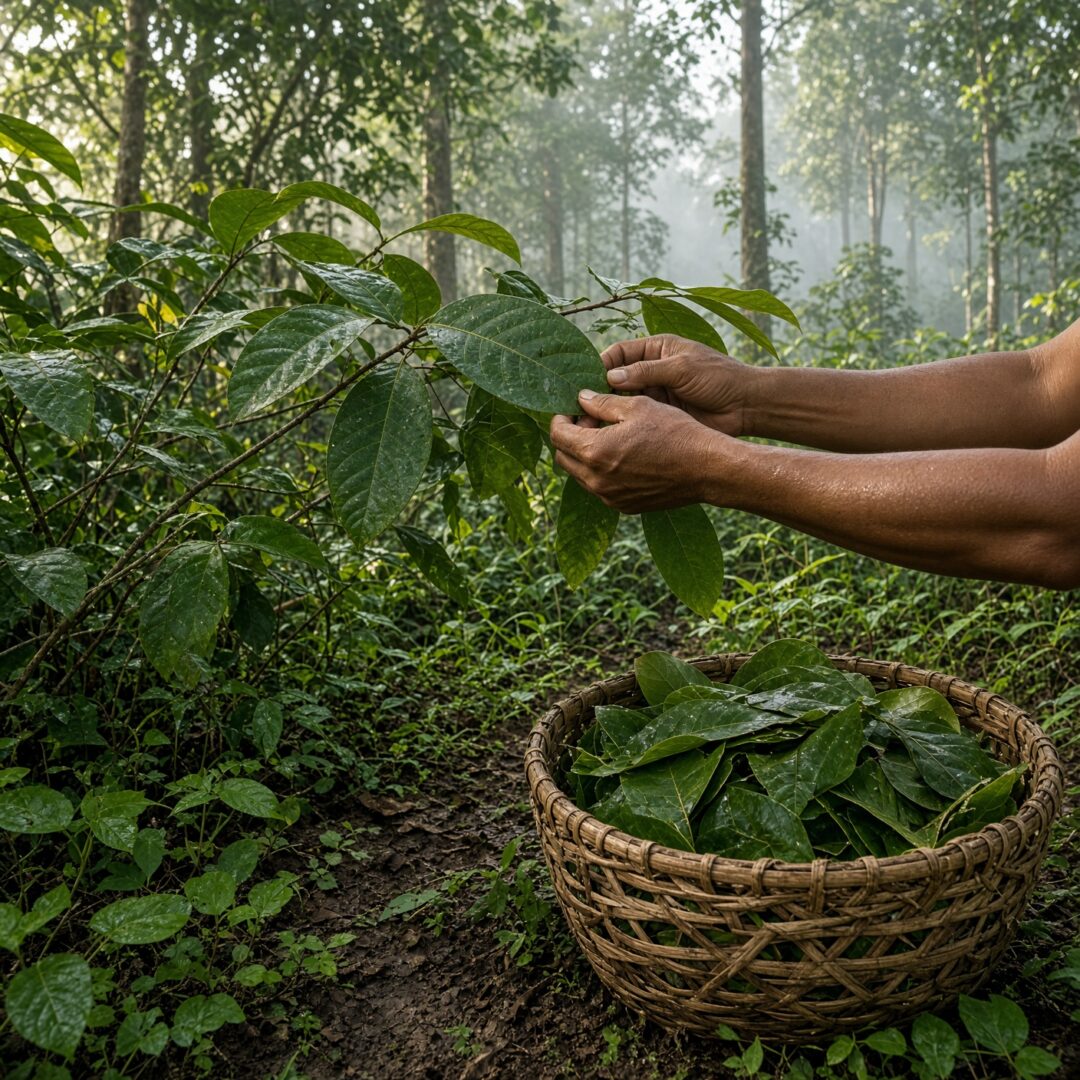
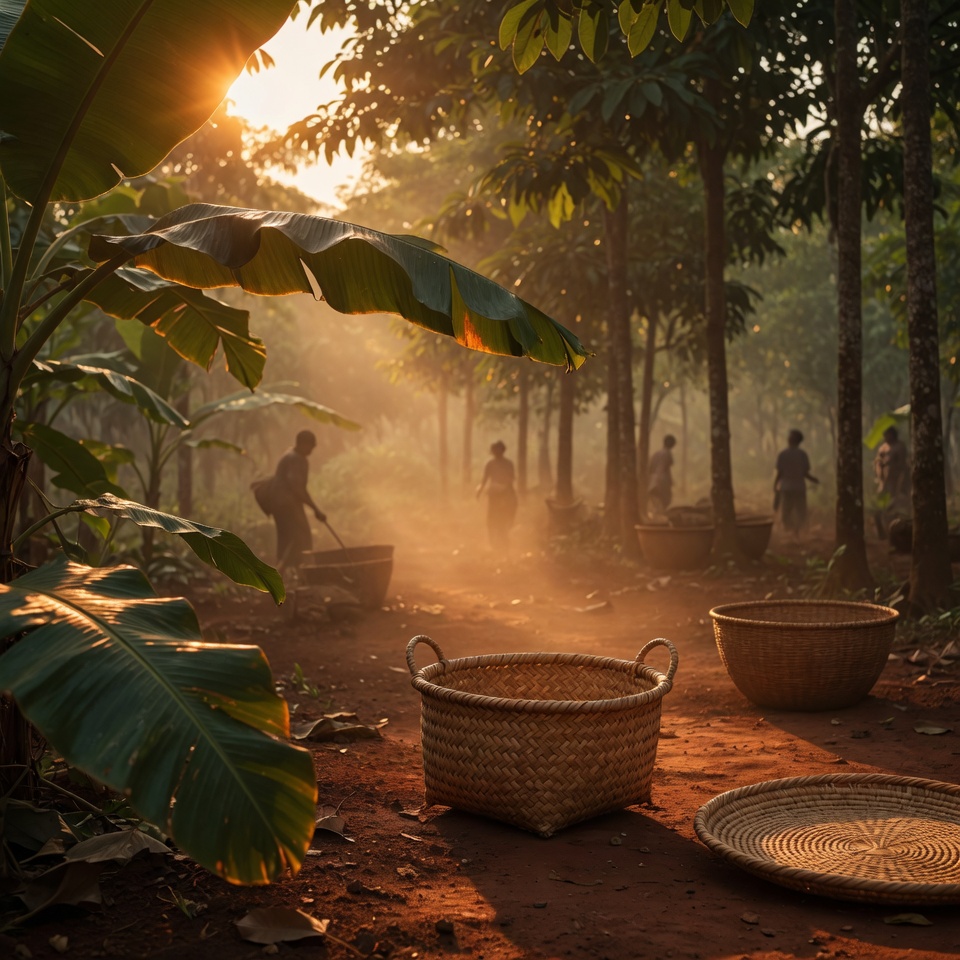
Kratom harvesting is labor-intensive, skilled work performed almost entirely by hand. Unlike many agricultural products that are machine-harvested, kratom requires experienced harvesters who can identify leaves at the optimal stage of maturity. Here is how the process works:
Leaf Selection
Experienced harvesters select leaves based on several criteria:
- Maturity: Younger leaves tend to have different alkaloid profiles than fully mature leaves. The age of the leaf affects both the alkaloid concentration and the vein color characteristics.
- Vein color: The color of the central vein and branching veins (red, green, or white) is a key factor in classification. Vein color changes as the leaf matures, with white veins typically indicating younger leaves, green indicating mid-maturity, and red indicating fully mature leaves. However, these are generalizations, and the relationship between vein color and leaf age varies by tree and growing conditions.
- Tree health: Leaves are selected from healthy, vigorous trees. Experienced harvesters develop relationships with specific trees and groves over many years, understanding which trees consistently produce high-quality leaves.
- Season: While kratom trees produce leaves year-round in consistently tropical climates, seasonal variations in rainfall, temperature, and sunlight can affect alkaloid concentration. Many harvesters report that leaves harvested during the rainy season differ from those harvested during drier periods.
Picking Methods
Mature kratom trees can reach heights of 80 feet or more, so harvesting the best leaves often requires climbing. Harvesters typically use one of several methods:
- Hand-picking from lower branches: The most common method for younger or smaller trees.
- Climbing and hand-picking: Experienced harvesters climb tall trees to access the most desirable upper-canopy leaves, which often receive the most sunlight and may have higher alkaloid concentrations.
- Branch cutting: In some cases, entire branches are cut and the leaves stripped on the ground. Responsible harvesting practices ensure that only a portion of each tree’s branches are cut to allow continued healthy growth.
A single mature kratom tree can yield significant quantities of leaves over the course of a year while remaining healthy and productive, as leaves continuously regenerate. This renewability is one reason kratom is considered an ecologically sustainable crop when responsibly managed.
Post-Harvest Processing: Drying and Preparation
What happens after harvest is just as important as the harvest itself. The drying and processing methods used significantly affect the final product’s characteristics, alkaloid profile, and quality.
Washing
Freshly harvested leaves are typically washed to remove dirt, insects, and other debris. Quality-conscious operations use clean water and may wash leaves multiple times. This step is critical for reducing microbial contamination—a concern highlighted by the 2018 salmonella outbreak linked to contaminated kratom products.
De-Stemming
The central stem and major veins are often removed before drying, as the leaf blade (lamina) contains higher concentrations of alkaloids than the stems and veins. However, some products intentionally include stem and vein material, marketed as “stem and vein” kratom, which has a different alkaloid profile.
Drying Methods
Drying is where much of the art and science of kratom processing occurs. The method, duration, and conditions of drying directly impact the final product:
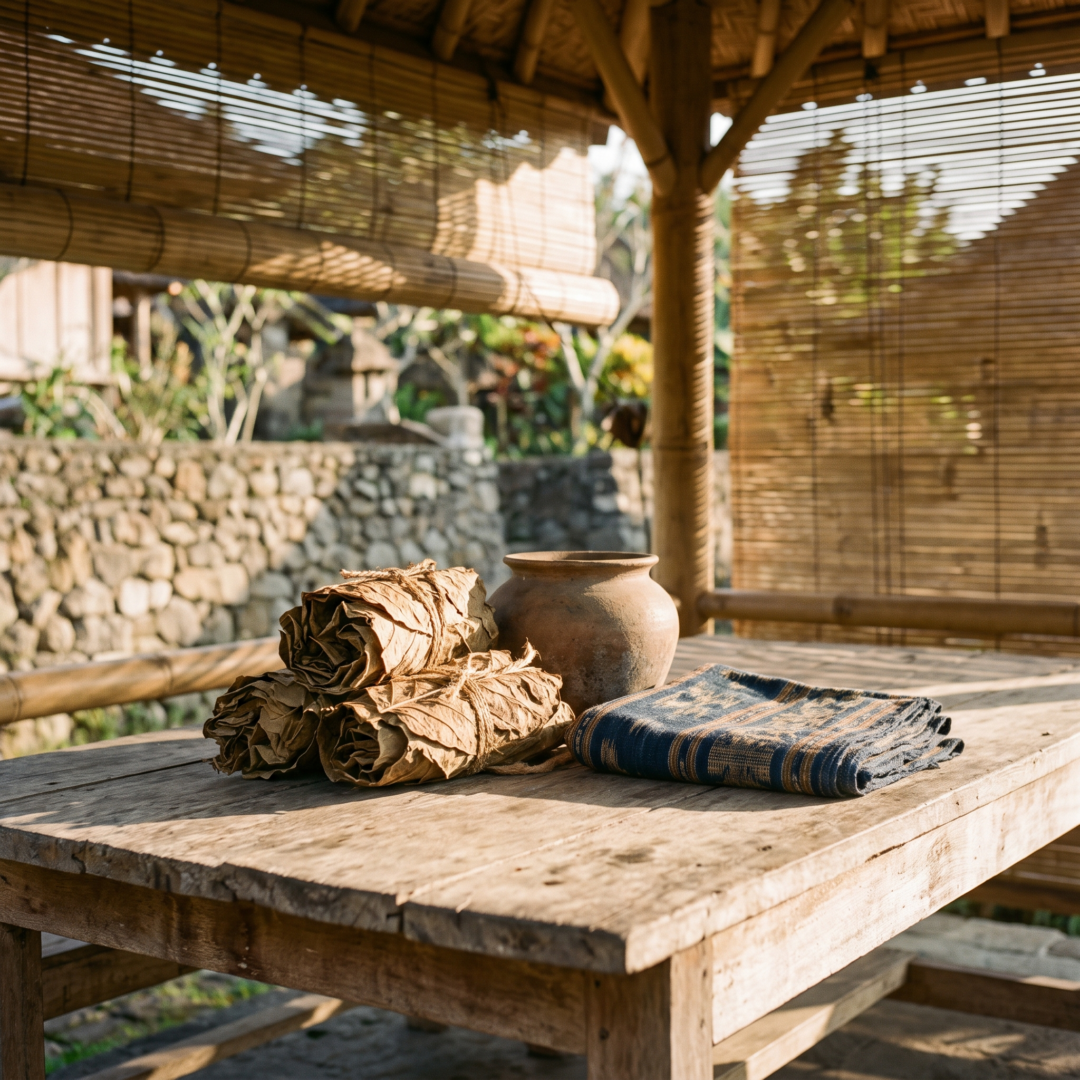
- Indoor drying: Leaves are spread on racks in well-ventilated indoor spaces, away from direct sunlight. This method is associated with preserving certain alkaloids that may degrade with UV exposure. Many green vein kratom products are indoor-dried.
- Outdoor sun drying: Leaves are spread on tarps, mats, or racks in direct sunlight. Sun exposure can alter the alkaloid profile through UV-induced oxidation. Some red vein kratom products undergo extended sun drying.
- Combination methods: Many processors use a combination of indoor and outdoor drying, with specific ratios of sun exposure to shade drying that vary by strain and desired characteristics.
- Fermentation: Some specialty varieties (particularly certain red, gold, and yellow strains) undergo a controlled fermentation process before or during drying. Leaves may be placed in bags or covered piles for a period, during which microbial activity and oxidation alter the alkaloid profile.
The drying process typically takes 1–3 days depending on conditions and the desired product. Properly dried kratom leaves should have a moisture content below 10% to prevent mold growth and ensure shelf stability.
Grinding
Once dried, leaves are ground into a fine powder using industrial mills or grinders. The quality of grinding affects the product’s texture, consistency, and how it performs in various preparation methods. High-quality kratom powder should be finely ground and consistent in texture, without large stem fragments or uneven particle sizes. Many quality-focused processors use multi-stage grinding with sifting between stages to achieve a uniform, fine powder.
Quality Control and Lab Testing
Responsible kratom operations implement quality control at multiple points in the supply chain:
At the Source
Quality-focused Indonesian suppliers may conduct preliminary testing on harvested and processed material before export, including visual inspection, moisture testing, and in some cases basic alkaloid screening. However, the most comprehensive testing typically occurs after importation.
Upon Import
Reputable U.S. kratom vendors send every incoming batch to independent, third-party laboratories for comprehensive testing. A thorough lab testing panel includes:
- Alkaloid profiling: Measuring concentrations of mitragynine, 7-hydroxymitragynine, and other key alkaloids
- Microbial testing: Screening for salmonella, E. coli, yeast, mold, and total aerobic plate count
- Heavy metals testing: Measuring levels of lead, mercury, arsenic, and cadmium
- Adulterant screening: Testing for the presence of non-kratom substances, synthetic compounds, or other contaminants
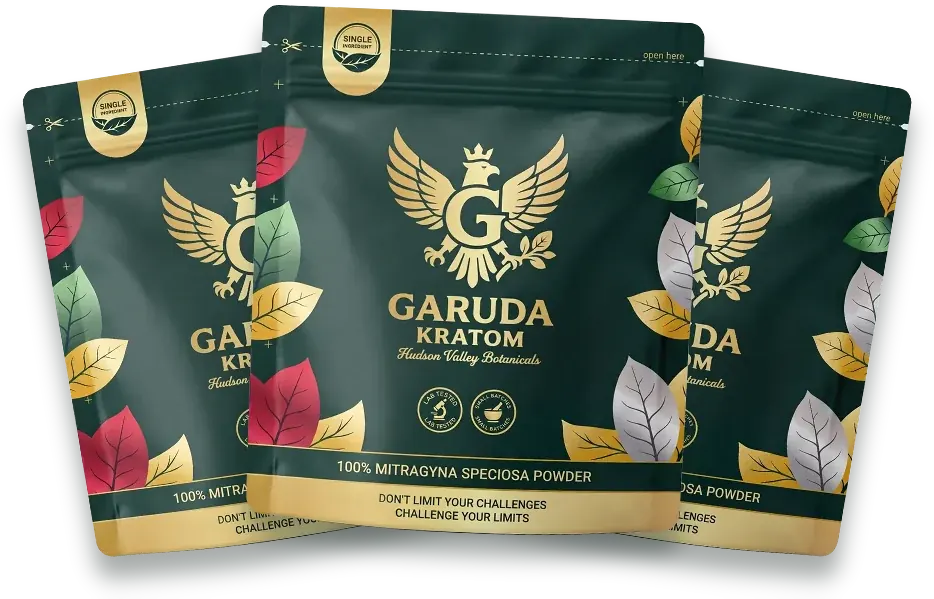
Only batches that pass all testing criteria should be approved for sale. At Hudson Valley Botanicals, every batch we sell undergoes comprehensive third-party lab testing. You can view the results on our Certificates of Analysis (COAs) page.
Packaging and Distribution
After passing quality control, kratom is packaged for retail sale. Proper packaging is important for maintaining freshness and quality:
- Airtight, resealable bags: The industry standard for retail kratom powder. Quality packaging uses materials that block light and moisture while maintaining an airtight seal.
- Proper labeling: Responsible vendors include complete product information on their labels, including strain name, weight, batch/lot number, ingredients, and vendor contact information.
- Controlled storage: Between packaging and shipping, kratom should be stored in cool, dry, dark conditions to maintain alkaloid integrity and prevent degradation.
Shipping to Your Door
The final leg of kratom’s journey is shipping from the vendor to you. Most U.S. vendors ship via USPS, UPS, or FedEx. Important considerations include:
- Shipping speed: While kratom is shelf-stable, faster shipping means less time in potentially unfavorable conditions (extreme heat in delivery trucks, for example).
- Packaging protection: Quality vendors use appropriate packaging materials to prevent damage during transit.
- Discreet shipping: Many vendors, including Hudson Valley Botanicals, ship in discreet, unmarked packaging for customer privacy.
Why the Supply Chain Matters to You
Understanding kratom’s journey from farm to your door helps you appreciate why vendor selection is one of the most important decisions a kratom consumer can make. Every step in the supply chain—from harvest technique to drying method to lab testing to storage conditions—affects the quality, safety, and consistency of the final product.
When you choose a vendor like Hudson Valley Botanicals, you are choosing a supply chain that prioritizes quality at every stage. Browse our product selection to see the result of this commitment, or visit our FAQ page to learn more about our sourcing and quality standards. Have questions about where our kratom comes from? Contact us—we love talking about our supply chain.