
Hudson Valley News Room!
All About The Kratom Industry & More.
Your Go-To Source for the Latest Kratom Insights, Trends, and Updates!
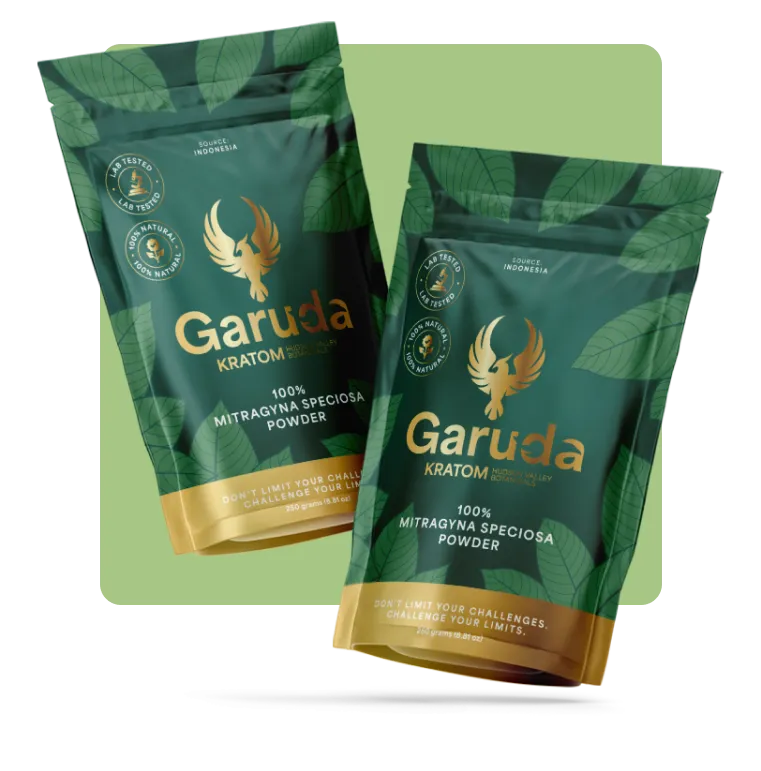
Understanding Kratom: A Comprehensive Guide to This Traditional Botanical

Understanding Kratom: A Comprehensive Guide to This Traditional Botanical
Kratom (Mitragyna speciosa) is a tropical evergreen tree native to the lush rainforests of Southeast Asia, where it has been revered and used traditionally for centuries. This remarkable botanical belongs to the Rubiaceae family—the same family as coffee—and thrives in the humid, tropical climates of Thailand, Malaysia, Indonesia, Myanmar, and Papua New Guinea.
The Botanical Profile of Kratom
The kratom tree is an impressive specimen of tropical flora, capable of growing to heights of 80 feet or more in its native habitat. The trunk can reach diameters of 3 feet, and the tree produces glossy, dark green ovate-acuminate leaves that are the source of kratom's beneficial compounds.
These leaves contain over 40 different alkaloids, with mitragynine and 7-hydroxymitragynine being the most abundant and well-studied. The unique combination of these naturally occurring compounds is responsible for kratom's distinctive properties.
| Alkaloid | Concentration | Significance |
|---|---|---|
| Mitragynine | ~66% of alkaloid content | Primary active compound |
| 7-Hydroxymitragynine | ~2% of alkaloid content | Potent secondary alkaloid |
| Paynantheine | ~9% of alkaloid content | Second most abundant |
| Speciogynine | ~7% of alkaloid content | Contributing alkaloid |
Traditional Uses and Cultural Significance
For centuries, kratom has been woven into the fabric of daily life throughout Southeast Asia. The traditional uses of this botanical reflect its deep cultural roots:
- Agricultural Workers: Farmers and laborers traditionally chewed fresh kratom leaves during long work days in the fields, particularly during the demanding rice harvest season
- Social Gatherings: Kratom tea was commonly served at community events and social functions, similar to how coffee or tea is shared in Western cultures
- Traditional Wellness: Local practitioners incorporated kratom into traditional wellness practices passed down through generations
- Ceremonial Use: In some regions, kratom played a role in religious and cultural ceremonies
"Kratom has been part of Southeast Asian culture for generations. In villages throughout Thailand and Malaysia, offering kratom tea to guests was a sign of hospitality and respect."
Modern Scientific Interest
The Western world's discovery of kratom has sparked significant scientific interest. Researchers at universities and institutions worldwide are now investigating:
- The complete alkaloid profile and chemical composition of kratom leaves
- How different growing conditions affect alkaloid concentrations
- Traditional use patterns and their cultural context
- Quality control and standardization methods for the industry
- The mechanisms by which kratom alkaloids interact with the body
Understanding Kratom Varieties
Kratom is typically categorized in two ways: by vein color and by region of origin. This classification system helps users understand what to expect from different products.
Vein Colors
- Red Vein: Harvested from mature leaves; known for calming properties
- Green Vein: Mid-maturity leaves; balanced, versatile characteristics
- White Vein: Younger leaves; associated with energizing properties
Regional Origins
Popular regional varieties include Bali, Maeng Da, Borneo, Thai, Malay, and Sumatra—each with subtle differences based on local growing conditions, soil composition, and traditional processing methods.
Legal Landscape
The legal status of kratom varies significantly around the world. In the United States, kratom remains legal at the federal level, though several states and municipalities have enacted their own regulations or restrictions.
The Kratom Consumer Protection Act (KCPA) has been adopted in multiple states, establishing:
- Age restrictions (typically 21+)
- Mandatory product labeling requirements
- Quality and testing standards
- Penalties for selling adulterated products
Always research your local laws before purchasing kratom.
Choosing Quality Kratom
When selecting a kratom vendor, prioritize companies that demonstrate a commitment to quality and transparency:
- Third-party lab testing for every batch sold
- Certificates of Analysis (COAs) readily available to customers
- GMP-certified facilities for processing and packaging
- Transparent sourcing from trusted Southeast Asian farmers
- Responsive customer service and clear return policies
At Hudson Valley Botanicals, we're committed to providing the highest quality, lab-tested kratom products. View our lab testing results and discover why thousands of customers trust us for their kratom needs.
Kratom Strains Explained: Red, Green, and White Vein Varieties

Kratom Strains Explained: Red, Green, and White Vein Varieties
One of the most fascinating aspects of kratom is the diversity of strains available, each with its own unique characteristics. Understanding the differences between red, green, and white vein varieties—as well as regional distinctions—is essential for finding the kratom that best suits your preferences.
The Science Behind Vein Colors
The vein color visible in kratom leaves isn't just aesthetic—it reflects the leaf's chemical composition at the time of harvest. Several factors influence vein color and the resulting alkaloid profile:
- Leaf Maturity: As leaves age on the tree, the vein color transitions from white to green to red, with corresponding changes in alkaloid ratios
- Sunlight Exposure: The amount of direct sunlight leaves receive affects chlorophyll and alkaloid development
- Soil Composition: Mineral content in the soil influences the plant's chemistry
- Humidity and Rainfall: The tropical climate's moisture levels play a role in leaf development
- Drying Process: Post-harvest drying methods can further influence the final alkaloid profile
"Each vein color represents a different stage in the kratom leaf's life cycle, with distinct alkaloid profiles that create unique experiences for users."
Red Vein Kratom
Red vein kratom is harvested from the most mature leaves on the tree and is the most popular variety worldwide. The distinctive red coloring of the leaf veins indicates a fully developed alkaloid profile.
Characteristics of Red Vein Strains
- Known for calming and relaxing properties
- Often chosen for evening use
- Generally considered the most beginner-friendly vein color
- Smooth, long-lasting experience reported by many users
Popular Red Vein Strains
| Strain | Origin | Notable Characteristics |
|---|---|---|
| Red Bali | Indonesia (Bali) | Balanced, smooth; excellent for beginners |
| Red Maeng Da | Thailand/Indonesia | Premium "pimp grade"; more potent |
| Red Borneo | Borneo Island | From ancient rainforest trees; traditional |
| Red Thai | Thailand | Classic Thai variety; clean experience |
| Red Sumatra | Sumatra, Indonesia | Known for long-lasting effects |
Green Vein Kratom
Green vein kratom represents the middle ground between red and white varieties. These leaves are harvested at medium maturity, resulting in a balanced alkaloid profile that many users find versatile and suitable for various situations.
Characteristics of Green Vein Strains
- Offers a balanced experience between energy and calm
- Popular choice for daytime use
- Often described as providing smooth, sustained effects
- Versatile enough for various occasions
Popular Green Vein Strains
| Strain | Origin | Notable Characteristics |
|---|---|---|
| Green Malay | Malaysia | Legendary for long-lasting effects |
| Green Maeng Da | Thailand/Indonesia | Potent and well-rounded |
| Green Borneo | Borneo Island | Balanced; popular with experienced users |
| Green Thai | Thailand | Traditional; smooth and balanced |
| Green Indo | Indonesia | Consistent quality; reliable choice |
"Green vein kratom is often called the 'best of both worlds'—offering a harmonious balance that makes it a favorite among those seeking versatility."
White Vein Kratom
White vein kratom comes from younger leaves with less mature alkaloid profiles. The lighter vein coloring distinguishes these leaves, and the resulting powder is often slightly lighter in color than red or green varieties.
Characteristics of White Vein Strains
- Known for energizing and uplifting properties
- Popular choice for morning use
- Often associated with enhanced focus and clarity
- May be more stimulating than other vein colors
Popular White Vein Strains
| Strain | Origin | Notable Characteristics |
|---|---|---|
| White Maeng Da | Thailand/Indonesia | Premium and potent; very popular |
| White Borneo | Borneo Island | Smooth energy; well-balanced |
| White Thai | Thailand | Classic; clean and crisp |
| White Sumatra | Sumatra, Indonesia | Unique profile; smooth onset |
| White Indo | Indonesia | Balanced white; good for beginners to whites |
Regional Varieties Explained
Beyond vein color, kratom is also categorized by its geographic origin. Each region's unique terroir—the combination of climate, soil, altitude, and traditional cultivation practices—contributes to subtle but meaningful differences in the final product.
Major Kratom-Producing Regions
- Bali: Perhaps the most famous kratom region, Bali strains are known for their balanced, approachable character—making them ideal for newcomers
- Maeng Da: Translating to "pimp grade" in Thai, Maeng Da represents the highest quality kratom, selectively harvested from the most potent leaves
- Borneo: The world's third-largest island produces kratom from ancient rainforest trees, known for rich, full-bodied experiences
- Thai: The original kratom heartland; Thai strains carry centuries of traditional cultivation knowledge
- Malay: Malaysian kratom, particularly Green Malay, is renowned for exceptionally long-lasting effects
- Sumatra: This large Indonesian island produces distinctive strains with unique alkaloid profiles
Finding Your Perfect Strain
With so many options available, finding your ideal kratom strain is a personal journey. Consider these factors when exploring:
- Time of Day: White strains for morning, green for midday, red for evening
- Experience Level: Beginners often start with red or green Bali
- Desired Effects: Energy vs. relaxation vs. balance
- Sensitivity: Start with smaller amounts when trying new strains
- Rotation: Many users rotate between strains to maintain effectiveness
At Hudson Valley Botanicals, we offer a comprehensive selection of all vein colors and regional varieties—each lab-tested for purity and potency. Explore our complete kratom collection and find your perfect strain today.
How to Choose Quality Kratom: A Buyer's Guide to Finding Pure Products

How to Choose Quality Kratom: A Buyer's Guide to Finding Pure Products
With kratom's growing popularity, the market has become flooded with vendors of wildly varying quality. Some offer premium, lab-tested products, while others cut corners—potentially compromising your safety and experience. This comprehensive guide will teach you how to identify truly high-quality kratom and avoid common pitfalls.
Why Quality Matters
Not all kratom is created equal. Low-quality or contaminated kratom can contain:
- Heavy metals absorbed from contaminated soil
- Harmful bacteria like Salmonella or E. coli from improper handling
- Mold and fungi from inadequate drying or storage
- Pesticide residues from agricultural chemicals
- Adulterants or fillers to increase weight
- Degraded alkaloids from old or improperly stored product
"The difference between premium kratom and low-quality product isn't just about potency—it's about your health and safety. Always prioritize vendors who prioritize testing."
The Gold Standard: Third-Party Lab Testing
The single most important factor in identifying quality kratom is independent, third-party laboratory testing. Reputable vendors test every batch for:
Heavy Metals
| Metal | Health Concern | Safe Limit |
|---|---|---|
| Lead (Pb) | Neurotoxicity, developmental harm | <0.5 ppm |
| Mercury (Hg) | Neurological damage | <0.1 ppm |
| Arsenic (As) | Carcinogenic properties | <1.5 ppm |
| Cadmium (Cd) | Kidney damage | <0.3 ppm |
Microbial Contaminants
- Salmonella: Must be completely absent
- E. coli: Indicates fecal contamination
- Yeast & Mold: Signs of improper handling/storage
- Total Aerobic Count: Overall microbial load
- Coliforms: General contamination indicator
Alkaloid Verification
- Mitragynine content: Confirms potency and authenticity
- 7-hydroxymitragynine levels: Secondary alkaloid verification
- Absence of synthetics: Ensures no artificial adulterants
Reading a Certificate of Analysis (COA)
A Certificate of Analysis is your proof of quality. Every COA should include:
- Laboratory name and credentials — ISO certification is ideal
- Sample identification — What was tested
- Batch/lot number — Should match your product
- Test date — Should be recent (within months, not years)
- Results for each parameter — Actual measured values
- Pass/fail determination — Clear indication of compliance
- Authorized signature — Lab technician verification
View our Certificates of Analysis to see what comprehensive lab testing looks like.
Understanding Kratom Sourcing
Quality kratom begins at the source. The best vendors maintain direct relationships with farmers in Southeast Asia and implement quality control at every step of the supply chain.
Questions to ask your vendor:
- Where specifically is your kratom grown?
- Do you work directly with farmers or through brokers?
- How are leaves harvested—by hand or machine?
- What drying methods are used?
- How long from harvest to customer delivery?
- How do you store and handle kratom in your facility?
GMP Certification: The Professional Standard
Good Manufacturing Practices (GMP) certification indicates that a facility meets strict quality and safety standards. GMP-certified vendors maintain:
- Sanitary facilities with regular cleaning protocols
- Trained employees following hygiene requirements
- Calibrated equipment for accurate measurements
- Documented procedures for every process
- Batch tracking for complete traceability
- Regular audits to maintain certification
Red Flags: Warning Signs to Avoid
Be extremely cautious of vendors who exhibit these warning signs:
- No lab testing available: "Trust us" isn't good enough
- Health or medical claims: Illegal and unethical
- Prices too good to be true: Quality has consistent costs
- Poor or incomplete labeling: Missing strain, origin, or batch info
- No physical address or contact info: Legitimate businesses are reachable
- Consistently negative reviews: Listen to other customers
- Aggressive marketing tactics: Quality sells itself
- Outdated or generic COAs: Each batch should have its own test
"If a vendor can't or won't provide lab testing results, walk away. No exception."
Price vs. Value: Understanding the Market
While price shouldn't be your only consideration, understanding typical market pricing helps identify outliers:
| Product Type | Typical Range | Notes |
|---|---|---|
| Kratom Powder (oz) | $8–15 | Bulk discounts common |
| Kratom Capsules (60ct) | $15–30 | Convenience premium |
| Extract Products | $15–40 | Concentrated; use less |
| Sample Packs | $20–40 | Great for trying strains |
Remember: Extremely low prices often indicate inferior quality, while very high prices don't automatically guarantee better kratom.
Freshness Matters
Fresh kratom maintains its alkaloid potency better than old, degraded product. Consider:
- Vendor turnover: Higher-volume vendors typically have fresher stock
- Packaging: Should be airtight and opaque to protect from light and air
- Color and smell: Fresh kratom has a vibrant green color and earthy aroma
- Texture: Should be finely ground and free-flowing, not clumpy
At Hudson Valley Botanicals, quality isn't just a buzzword—it's our foundation. Every batch is independently tested, properly stored, and shipped fresh. Shop with confidence knowing you're getting the best.
Kratom Preparation Methods: From Traditional Tea to Modern Techniques

Kratom Preparation Methods: From Traditional Tea to Modern Techniques
One of the beautiful aspects of kratom is the variety of ways it can be enjoyed. From time-honored traditional methods to modern conveniences, there's a preparation technique to suit every preference and lifestyle. This guide explores the most popular methods and helps you find your perfect approach.
Traditional Kratom Tea
Brewing kratom as tea is the most traditional method, used in Southeast Asia for centuries. Many enthusiasts prefer tea for its ritual quality and smooth experience.
How to Brew Perfect Kratom Tea
- Measure your kratom: Use a digital scale for accuracy—start with your usual amount
- Heat water: Bring water to a simmer, not a rolling boil (175-185°F is ideal)
- Add kratom to water: Stir to fully incorporate the powder
- Simmer gently: Let steep for 15-20 minutes, stirring occasionally
- Strain thoroughly: Use a fine mesh strainer, cheesecloth, or coffee filter
- Add flavorings: Honey, lemon, ginger, or mint can enhance the taste
- Enjoy warm or chilled: Tea can be refrigerated for up to a week
"The ritual of brewing kratom tea connects us to centuries of Southeast Asian tradition. There's something meditative about the process—take your time and enjoy it."
Pro Tips for Better Tea
- Add citrus: A squeeze of lemon or lime (citric acid) may help extract alkaloids
- Don't over-boil: Excessive heat can degrade alkaloids—keep it at a simmer
- Try cold brewing: Steep overnight in the refrigerator for a smoother taste
- Double strain: For a smoother tea, strain twice through a fine filter
- Save the powder: Strained kratom can be re-brewed for a weaker second cup
The "Toss and Wash" Method
For those who prefer efficiency over ceremony, the toss and wash method is quick and effective. This involves placing kratom powder directly in your mouth and washing it down with a beverage.
Step-by-Step Toss and Wash
- Measure your kratom: Prepare your desired amount
- Have your beverage ready: Orange juice, chocolate milk, or water work well
- Take a sip: Get some liquid in your mouth first (optional but helpful)
- Add the powder: Place kratom on your tongue
- Wash down immediately: Take a large sip and swish before swallowing
- Follow with more liquid: Clear any residue from your mouth
Best Beverages for Toss and Wash
| Beverage | Effectiveness | Notes |
|---|---|---|
| Orange Juice | Excellent | Citrus masks taste well; may enhance absorption |
| Chocolate Milk | Excellent | Best taste masking option |
| Grapefruit Juice | Very Good | Strong flavor covers bitterness |
| Coffee | Good | Bitter + bitter, but some prefer it |
| Water | Fair | Works but doesn't mask taste |
Kratom Capsules: Ultimate Convenience
Pre-filled kratom capsules offer the ultimate convenience—no preparation, no taste, and precise amounts every time.
Advantages of Capsules
- Zero preparation: Ready to use immediately
- No bitter taste: Bypasses kratom's natural flavor entirely
- Precise dosing: Each capsule contains a measured amount
- Highly portable: Easy to take anywhere
- Discreet: Looks like any other supplement
- Longer shelf life: Capsules protect from air and moisture
Capsule Considerations
- Slower onset: Capsules must dissolve before absorption (30-45 minutes)
- More capsules needed: Standard capsules hold ~0.5g; you may need several
- Slightly higher cost: Convenience comes at a small premium
Mixing with Food and Beverages
Kratom powder can be incorporated into various foods and drinks to make consumption more pleasant:
Popular Mixing Options
- Smoothies: Blend with frozen fruits, yogurt, and honey—the sweetness masks bitterness effectively
- Protein Shakes: Add to your post-workout shake with chocolate or vanilla protein
- Applesauce: The texture helps kratom go down smoothly
- Yogurt: Flavored yogurt (especially citrus or berry) works well
- Pudding: Chocolate pudding is particularly effective at masking taste
- Oatmeal: Mix into your morning oats with honey and cinnamon
"Experiment with different mixing options to find what works for you. Many people discover their perfect method by trying various approaches."
Kratom Extracts and Concentrates
For experienced users, kratom extracts offer a more concentrated form of the plant's alkaloids. These products are made by extracting and concentrating the active compounds from kratom leaves.
Important Extract Considerations
- Significantly more potent: Extracts are concentrated—use much less
- Not for beginners: Start with regular powder first
- Use sparingly: Save extracts for occasional use
- Quality varies widely: Only buy from trusted vendors with testing
- Can affect tolerance: Regular extract use may increase tolerance faster
Best Practices for All Methods
Regardless of your chosen preparation method, these principles apply:
- Start low: Begin with smaller amounts, especially with new strains
- Stay hydrated: Kratom can be dehydrating—drink plenty of water
- Empty stomach optional: Effects may be faster on empty stomach, but food is fine
- Be patient: Wait 30-45 minutes before assessing effects
- Keep notes: Track what works best for you
- Quality matters: The best method won't help with low-quality kratom
Ready to explore different kratom preparations? Browse our premium powders and capsules at Hudson Valley Botanicals—all lab-tested and ready for your preferred method.
The Legal Status of Kratom: State-by-State Guide and Regulatory Updates 2025

The Legal Status of Kratom: State-by-State Guide and Regulatory Updates 2025
Understanding kratom's legal status is essential for anyone interested in this traditional botanical. While kratom remains legal at the federal level in the United States, regulations vary significantly from state to state, and the legal landscape continues to evolve.
Federal Legal Status
At the federal level, kratom is currently legal in the United States. The DEA considered scheduling kratom as a controlled substance in 2016 but withdrew the proposal following significant public outcry and congressional intervention.
Key federal developments:
- 2016: DEA announced intent to schedule kratom, then withdrew after receiving 23,000+ public comments
- 2018: FDA issued warnings about kratom but took no scheduling action
- 2021: World Health Organization reviewed kratom and did not recommend international scheduling
- Present: Kratom remains legal federally, subject to FDA regulations on supplements
"The legal status of kratom reflects an ongoing conversation between consumers, advocates, researchers, and regulators. Staying informed is essential for responsible use."
State-by-State Breakdown
Kratom's legal status varies by state. Here's a comprehensive overview:
States Where Kratom is Legal (with KCPA)
The Kratom Consumer Protection Act (KCPA) provides a regulatory framework that protects consumers while keeping kratom legal:
| State | KCPA Year | Key Provisions |
|---|---|---|
| Utah | 2019 | First KCPA state; 18+ age limit |
| Arizona | 2019 | 21+ age limit; labeling requirements |
| Georgia | 2019 | 18+ age limit; product standards |
| Nevada | 2019 | 21+ age limit; testing requirements |
| Oklahoma | 2020 | 18+ age limit; registration system |
| Oregon | 2021 | 21+ age limit; comprehensive rules |
| Colorado | 2022 | 18+ age limit; labeling standards |
| Texas | 2023 | 18+ age limit; quality standards |
States Where Kratom is Legal (without KCPA)
In these states, kratom is legal but without specific regulatory framework:
- California (except San Diego)
- Florida (except Sarasota County)
- New York
- Pennsylvania
- Ohio
- Michigan
- Illinois (except Jerseyville)
- And many others...
States Where Kratom is Banned
Kratom is currently illegal in the following states:
- Alabama: Classified as Schedule 1 controlled substance (2016)
- Arkansas: Classified as controlled substance (2015)
- Indiana: Banned synthetic alkaloids, effectively banning kratom (2014)
- Rhode Island: Classified as Schedule 1 controlled substance (2017)
- Vermont: Classified as regulated drug (2016)
- Wisconsin: Mitragynine and 7-hydroxymitragynine are Schedule 1 (2014)
Local Restrictions
Some cities and counties have implemented local bans even in states where kratom is otherwise legal:
- San Diego, California: Banned in 2016
- Sarasota County, Florida: Banned in 2014
- Jerseyville, Illinois: Local ban in effect
- Various Mississippi counties: Local restrictions vary
Understanding the Kratom Consumer Protection Act
The KCPA is model legislation designed to regulate kratom while keeping it legal. Key provisions typically include:
- Age restrictions: Typically 18 or 21 years old to purchase
- Product labeling: Must include ingredients, amount, and manufacturer info
- Quality standards: Products must be free from dangerous contaminants
- Testing requirements: Lab testing for purity and potency
- Ban on adulteration: Prohibits adding synthetic substances
- Penalties: Fines and potential criminal charges for violations
"The KCPA represents a balanced approach to kratom regulation—protecting consumers while preserving access to this traditional botanical."
International Legal Status
Kratom's legal status varies internationally:
| Region/Country | Status | Notes |
|---|---|---|
| Canada | Legal | Not approved for human consumption |
| United Kingdom | Banned | Psychoactive Substances Act 2016 |
| Australia | Banned | Schedule 9 poison |
| Germany | Legal | Some restrictions on sales |
| Thailand | Legal | Decriminalized in 2021 after decades of prohibition |
| Malaysia | Controlled | Traditional use tolerated; commercial sales restricted |
| Indonesia | Legal | Major exporter; some proposed restrictions |
How to Stay Informed
The kratom legal landscape changes regularly. Stay updated by:
- Following the American Kratom Association for advocacy updates
- Checking state legislature websites for pending bills
- Joining kratom advocacy groups and communities
- Subscribing to kratom vendor newsletters for regulatory updates
- Contacting your local representatives about kratom legislation
Supporting Kratom Advocacy
If you want to help protect legal access to kratom:
- Join the AKA: Support the leading kratom advocacy organization
- Contact legislators: Share your story with elected officials
- Support KCPA efforts: Advocate for sensible regulation in your state
- Stay informed: Knowledge is power in advocacy
- Buy from reputable vendors: Support businesses that promote responsible practices
At Hudson Valley Botanicals, we support sensible kratom regulation that protects consumers while preserving access. We comply with all applicable laws and exceed quality standards even where not legally required. Shop with confidence knowing you're supporting a responsible vendor.
Kratom Safety and Best Practices: A Responsible User's Guide

Kratom Safety and Best Practices: A Responsible User's Guide
Like any botanical supplement, kratom should be approached with knowledge and respect. This guide covers essential safety information, responsible use practices, and tips for getting the most out of your kratom experience while minimizing potential risks.
Starting Safely: Guidelines for New Users
If you're new to kratom, following these guidelines will help ensure a positive experience:
Start Low, Go Slow
The most important rule for new kratom users is to start with a small amount and gradually adjust based on your response.
| Experience Level | Suggested Starting Amount | Notes |
|---|---|---|
| First time | 1-2 grams | Assess your individual response |
| Second attempt | 2-3 grams | Adjust based on first experience |
| Finding your level | 2-5 grams | Most users settle in this range |
| Experienced users | 3-6 grams | Individual tolerance varies |
"Everyone responds to kratom differently. What works for someone else may not be right for you. Take time to find your personal sweet spot."
Use a Scale
Always measure kratom with a digital scale—never eyeball it. Powder density varies between strains and batches, making volume measurements unreliable.
Keep a Journal
Track your experiences to optimize your kratom use:
- Strain name and vendor
- Amount used
- Time of use
- Whether you had food in your stomach
- Effects experienced
- Duration of effects
Responsible Use Practices
Take Regular Breaks
To maintain kratom's effectiveness and reduce tolerance buildup:
- Take at least 1-2 days off per week
- Consider longer breaks (1 week) every month
- Rotate between different strains
- Avoid escalating amounts over time
Stay Hydrated
Kratom can have mild dehydrating effects. Make sure to:
- Drink plenty of water throughout the day
- Increase fluid intake on days you use kratom
- Watch for signs of dehydration (headache, dry mouth)
Mind Your Diet
- Empty stomach: Effects may be stronger and faster
- Light meal: May reduce intensity but prolong duration
- Heavy meal: May significantly delay and reduce effects
- Fiber: High-fiber foods may affect absorption
What to Avoid
Don't Mix with Other Substances
For safety, avoid combining kratom with:
- Alcohol: Can increase negative effects
- Prescription medications: Potential interactions
- Other supplements: Unless you understand interactions
- Recreational drugs: Unpredictable combinations
Always consult a healthcare provider if you take prescription medications.
Don't Drive or Operate Machinery
Until you know how kratom affects you personally:
- Avoid driving or operating heavy machinery
- Don't perform tasks requiring full alertness
- Be especially cautious with new strains
Don't Use Daily Without Breaks
Daily use without breaks can lead to:
- Tolerance buildup (needing more for same effect)
- Dependence (feeling you need kratom to function normally)
- Reduced effectiveness over time
Recognizing Quality Issues
Poor-quality kratom can cause problems. Watch for these signs:
- Unusual color: Very dark, faded, or inconsistent coloring
- Strange smell: Musty, moldy, or chemical odors
- Unexpected effects: Very different from previous experiences
- Physical reactions: Nausea, headache, or discomfort beyond normal
If you experience any of these, stop using the product and contact the vendor.
Special Populations: Who Should Avoid Kratom
Kratom is not appropriate for everyone. Avoid kratom if you are:
- Pregnant or breastfeeding: Effects on fetus/infant unknown
- Under 18/21: Depending on local laws
- Taking certain medications: Consult healthcare provider
- Have liver conditions: May affect metabolism
- Have heart conditions: Consult healthcare provider first
- History of substance abuse: Use extra caution; consider avoiding
"When in doubt, consult a healthcare professional. Your safety should always come first."
Storage and Handling Safety
Proper storage protects both quality and safety:
- Keep away from children and pets: Store in a secure location
- Use airtight containers: Prevents contamination and degradation
- Store in cool, dark place: Protects alkaloid content
- Label clearly: Especially if storing multiple strains
- Check for spoilage: Before each use
Building a Sustainable Routine
For those who choose to use kratom regularly, sustainability is key:
- Set limits: Decide on maximum frequency and amount
- Schedule breaks: Plan regular days off in advance
- Rotate strains: Helps prevent tolerance to specific alkaloid profiles
- Monitor effects: If you need more for the same effect, take a break
- Stay honest: Be truthful with yourself about your use
When to Seek Help
Consider talking to a healthcare provider if you:
- Feel you need kratom to function normally
- Experience withdrawal symptoms when not using
- Are using more than you intended
- Have tried to cut back but couldn't
- Experience negative effects on work, relationships, or health
At Hudson Valley Botanicals, we believe in responsible kratom use. That's why we provide complete lab testing results, educational resources, and high-quality products you can trust. Shop our selection and experience kratom the right way.
Kratom Dosing Guide: Finding Your Perfect Amount for Optimal Results

Kratom Dosing Guide: Finding Your Perfect Amount for Optimal Results
Finding the right kratom dose is both an art and a science. Unlike standardized pharmaceuticals, kratom is a natural botanical with varying alkaloid concentrations between strains, batches, and vendors. This comprehensive guide will help you navigate the dosing process safely and effectively.
Why Dosing Matters
Kratom's effects are notably dose-dependent, meaning the amount you take significantly influences your experience. Understanding this relationship is crucial for achieving your desired results while minimizing potential side effects.
"Start low and go slow" is the golden rule of kratom dosing. It's always easier to take more than to deal with taking too much.
Factors That Influence Your Ideal Dose
- Body Weight: Larger individuals may require slightly higher amounts
- Metabolism: Faster metabolisms process kratom more quickly
- Tolerance: Previous experience affects sensitivity
- Stomach Contents: Empty stomach means stronger, faster effects
- Kratom Quality: Higher quality requires less
- Strain Type: Different strains have varying potencies
General Dosing Guidelines
| Level | Amount | Best For | Notes |
|---|---|---|---|
| Microdose | 0.5-1g | Testing sensitivity | First-time users |
| Low | 1-2g | Mild energy | Starting point |
| Moderate | 2-4g | Balanced effects | Most common |
| Higher | 4-6g | Strong effects | Experienced only |
| Heavy | 6g+ | Maximum effects | Not recommended |
Finding Your Sweet Spot
- Start at 1-1.5 grams — Use a digital scale
- Wait 30-45 minutes — Allow effects to develop
- Assess how you feel — Note energy, mood, side effects
- Adjust by 0.5g increments — Gradually if needed
- Keep a journal — Track strain, dose, timing, effects
Dosing by Vein Color
White Vein
- More stimulating at lower doses
- Start at 1-1.5g
- Best in morning
Green Vein
- Most balanced for dosing
- Start at 1.5-2g
- Versatile timing
Red Vein
- May need slightly more
- Start low, adjust up
- Best for evening
Common Mistakes to Avoid
- Not using a scale: Always weigh your kratom
- Increasing too quickly: Wait 45+ minutes
- Chasing stronger effects: Less is often more
- Ignoring tolerance: Take regular breaks
Managing Tolerance
- Rotate strains daily
- Take 1-2 days off per week
- Use minimum effective dose
- Consider 1 week off monthly
Signs You've Taken Too Much
- Nausea or stomach discomfort
- Dizziness or "wobbles"
- Headache
- Excessive sedation
Reduce next dose by 25-50% and stay hydrated.
Questions? Check our FAQ page or contact us.
Understanding Lab Testing and COAs: Why Third-Party Testing Matters

Understanding Lab Testing and COAs: Why Third-Party Testing Matters
In an unregulated industry, third-party laboratory testing is the gold standard for kratom quality assurance. Understanding what lab tests measure—and how to read a Certificate of Analysis—empowers you to make informed decisions.
Why Lab Testing Is Essential
Without proper testing, kratom may contain:
- Heavy metals from contaminated soil
- Harmful bacteria like Salmonella or E. coli
- Mold and yeast from humid storage
- Pesticide residues
- Adulterants or synthetic substances
"Lab testing isn't just about quality—it's about safety. Every batch should be tested before reaching consumers."
What Is a COA?
A Certificate of Analysis is an official document from an accredited laboratory detailing test results for a specific batch.
| Component | What It Shows | Why It Matters |
|---|---|---|
| Lab Info | Name, accreditations | Confirms qualified facility |
| Sample ID | Batch identifier | Should match your product |
| Test Date | When tested | Should be recent |
| Results | Measured values | What was found |
| Pass/Fail | Met specifications? | Quick safety check |
Types of Tests
Heavy Metals
| Metal | Concern | Limit |
|---|---|---|
| Lead | Neurological damage | <0.5 ppm |
| Mercury | Nervous system | <0.1 ppm |
| Arsenic | Carcinogenic | <1.5 ppm |
| Cadmium | Kidney damage | <0.3 ppm |
Microbial
- Salmonella: Must be absent
- E. coli: Must be absent
- Yeast & Mold: Below thresholds
Alkaloid Content
- Mitragynine: Primary alkaloid (1-2%)
- 7-Hydroxymitragynine: Secondary alkaloid
Red Flags
- No COAs available
- In-house testing only
- Outdated results
- Generic (not batch-specific) COAs
- Selective testing
Third-Party vs. In-House
| Aspect | Third-Party | In-House |
|---|---|---|
| Objectivity | Independent | Conflict of interest |
| Accreditation | ISO certified | May lack |
| Credibility | Gold standard | Lower trust |
View Our Results: See our complete lab testing for every product.
Kratom for Energy and Focus: Best Strains and Usage Tips for Productivity

Kratom for Energy and Focus: Best Strains and Usage Tips for Productivity
Certain kratom strains and doses are traditionally used for energizing and focus-enhancing properties. This guide explores how to use kratom for productivity.
How Kratom Supports Energy
At lower doses, users report:
- Increased energy and alertness
- Enhanced focus and concentration
- Improved motivation
- Greater mental clarity
"Lower amounts tend to energize, while higher amounts tend to relax. Finding your sweet spot is key."
Best Strains for Energy
White Vein — Most Energizing
| Strain | Energy | Focus | Duration |
|---|---|---|---|
| White Maeng Da | ★★★★★ | ★★★★★ | 4-5 hrs |
| White Thai | ★★★★★ | ★★★★☆ | 3-4 hrs |
| White Borneo | ★★★★☆ | ★★★★★ | 4-5 hrs |
Green Vein — Balanced
| Strain | Energy | Focus | Duration |
|---|---|---|---|
| Green Maeng Da | ★★★★☆ | ★★★★★ | 4-6 hrs |
| Green Malay | ★★★★☆ | ★★★★☆ | 5-7 hrs |
| Green Thai | ★★★★☆ | ★★★★☆ | 4-5 hrs |
Dosing for Energy
| Goal | Dose | Notes |
|---|---|---|
| Mild boost | 1-2g | Coffee-like |
| Moderate | 2-3g | Sweet spot |
| Strong | 3-4g | Experienced only |
Timing
- Morning (6-9am): Ideal for whites
- Mid-morning: Good for greens
- After 2pm: Avoid to protect sleep
Productivity Tips
- Stay hydrated
- Pair with coffee carefully
- Save for task-heavy days
- Don't rely on it daily
- Have work ready before effects kick in
Kratom vs. Coffee
| Factor | Kratom | Coffee |
|---|---|---|
| Duration | 3-6 hrs | 3-5 hrs |
| Crash | Minimal | Common |
| Jitters | Less common | Common |
| Focus | Calm, sustained | Sometimes scattered |
Shop Now: White and green vein strains for energy and focus.
Kratom Storage and Shelf Life: Keeping Your Kratom Fresh and Potent

Kratom Storage and Shelf Life: Keeping Your Kratom Fresh and Potent
Proper storage is essential for maintaining kratom's potency, freshness, and safety.
Why Storage Matters
Poor storage leads to:
- Reduced potency: Alkaloids break down
- Mold growth: Moisture creates problems
- Off flavors: Oxidation changes taste
- Clumping: Humidity causes issues
"Think of kratom like fine tea or ground coffee—a natural product that deserves proper care."
Four Enemies of Kratom
| Enemy | Effect | Prevention |
|---|---|---|
| Light | Breaks down alkaloids | Opaque containers |
| Oxygen | Oxidation | Airtight seal |
| Moisture | Mold, clumping | Dry location |
| Heat | Accelerates breakdown | Cool location |
Ideal Conditions
- Temperature: 60-75°F
- Humidity: Below 60%
- Light: Darkness/opaque container
- Air: Airtight seal
Best Containers
| Container | Best For |
|---|---|
| Mason jars (dark) | Medium-term |
| Vacuum-sealed bags | Long-term |
| Mylar bags | Bulk storage |
| Amber glass jars | Daily use |
Shelf Life
| Method | Duration |
|---|---|
| Original (opened) | 1-3 months |
| Airtight container | 3-6 months |
| Vacuum-sealed | 6-12 months |
| Frozen | 12-24+ months |
Signs of Degradation
- Musty/moldy smell — discard
- Visible mold — discard
- Significant color change
- Loss of aroma
- Reduced effects
Tips
- Buy 3-6 month supply max
- Use a "working jar" for daily use
- Always use dry utensils
- Seal immediately after use
- First in, first out
- Label everything
Shop Fresh: Browse our premium kratom.
Starting a Kratom Business: Wholesale Opportunities and Affiliate Programs

Starting a Kratom Business: Wholesale Opportunities and Affiliate Programs
The kratom industry has grown significantly, creating opportunities for entrepreneurs and marketers.
Market Opportunity
10-15 million Americans use kratom regularly (AKA estimate), creating a thriving market.
"The industry rewards businesses that prioritize quality, testing, and customer education."
Option 1: Wholesale
Who Should Consider
- Smoke/head shops
- Health stores
- Online retailers
- Kava bars
Benefits
| Benefit | Description |
|---|---|
| Lower costs | Bulk pricing |
| Higher margins | More profit |
| Inventory control | Stock popular strains |
| Brand building | White-label options |
What to Look For
- Third-party lab testing
- GMP compliance
- Reliable supply
- Competitive pricing
- Good support
Option 2: Affiliate Marketing
Earn commissions by referring customers—no inventory needed.
How It Works
- Join affiliate program
- Get unique tracking link
- Promote through content
- Earn on purchases
Benefits
- No inventory
- Low startup costs
- Passive income potential
- Work anywhere
Commission Structures
| Model | Typical Range |
|---|---|
| Percentage | 10-20% |
| Flat rate | $5-15/order |
| Tiered | 10-25% |
Legal Considerations
- Banned: AL, AR, IN, RI, VT, WI
- Never make health claims
- Verify age for sales
- Maintain proper labeling
- Consult legal professionals
Marketing Channels
- Content marketing/blogs
- SEO
- Email marketing
- Community engagement
- Word of mouth
Our Programs
Wholesale
- Competitive pricing
- Lab-tested products
- Reliable inventory
- Dedicated support
Affiliate
- Competitive commissions
- 30-day cookies
- Marketing materials
- Monthly payouts
Partner With Us: Contact our team or visit our wholesale page.